
Searching for where to find weed sellers in Zug can lead to confusing or unsafe information. Switzerland distinguishes between low-THC products, prescription cannabis, and higher-THC recreational cannabis, and the rules are not the same for each category. Informal sellers may offer products with unknown strength, contamination risks, or no reliable information about their origin.
This guide does not identify private dealers or help arrange an illegal purchase. Instead, it explains how to approach weed in Zug lawfully, how to check whether a product is permitted, and where to seek reliable health or legal information. The safest choice is to use an authorised channel, verify the product, and avoid transactions that involve secrecy, pressure, or unclear terms.
Where to find weed sellers in Zug: start with the legal category
Before looking for a shop or supplier, decide what you actually need. In Zug, the answer is different for CBD products, medical cannabis, and adult-use cannabis. Treating all three as the same can result in buying an unsuitable or unlawful product.
CBD and low-THC products
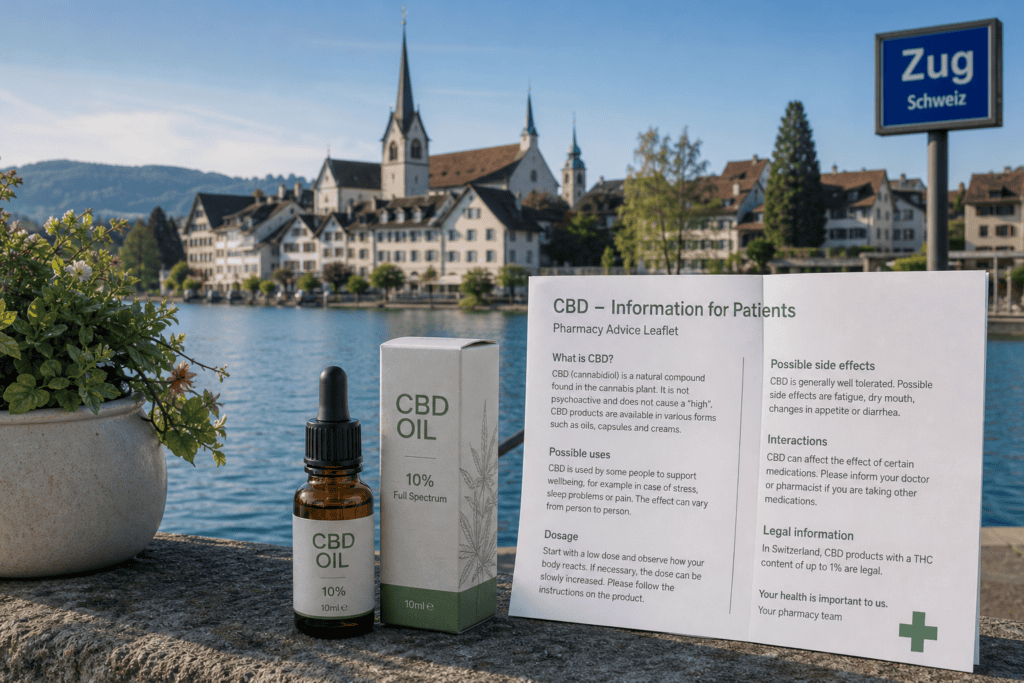
Products containing less than 1% THC are generally treated differently from cannabis that exceeds the Swiss THC threshold. They may be sold through specialist retailers and other lawful businesses, but the product still needs to comply with applicable rules on composition, labelling, packaging, and advertising.
A shop display alone is not proof that every item is compliant. Ask whether the product has clear ingredient information, a batch or lot number, responsible-business details, and testing information where appropriate. Avoid products that make unsupported medical claims or do not state the THC and CBD content clearly.
Medical cannabis in Zug
Medical cannabis should be discussed with a qualified healthcare professional rather than sourced through an informal seller. Since Swiss rules changed, doctors can prescribe cannabis medicines under the applicable medical framework, while pharmacies and authorised supply chains handle dispensing. A clinician can also consider interactions with other medicines, potential side effects, and whether cannabis is appropriate for the condition.
If you are considering medical cannabis in Zug, begin with your doctor or a recognised medical service. Do not rely on social-media recommendations for dosage or treatment decisions. Products sold as “medical” by an unverified seller may not have pharmaceutical quality, consistent potency, or a lawful supply chain.
Higher-THC recreational cannabis
There is no general retail market for higher-THC recreational cannabis in Zug. Switzerland has permitted limited scientific pilot projects under defined conditions, but these projects are not the same as open commercial sales. Participation depends on the rules of a specific approved study and is not a route to finding an independent dealer.
For the current legal framework, consult the Swiss Federal Narcotics and Psychotropic Substances Act. Laws and local arrangements can change, so official information is more dependable than listings, forum posts, or messages from unknown accounts.
Understanding cannabis laws in Zug
The key issue is the THC content and the purpose of the product. Swiss law does not treat a low-THC CBD product in the same way as cannabis containing more than the permitted THC threshold. It also distinguishes between possession, consumption, supply, and medical use. The fact that a product is advertised online does not make its sale or delivery lawful.
Adults should also be careful with claims that possessing a small amount is automatically legal. Certain limited possession circumstances may be treated differently from consumption or supply, but that does not create a legal market or protect a buyer from other consequences. Driving after using cannabis can create serious legal and safety problems, even when the product was obtained lawfully.
The Swiss Federal Office of Public Health cannabis information is a useful starting point for public-health guidance and current policy information. For a specific legal situation, obtain advice from a qualified Swiss professional rather than relying on a general online article.
How to identify a safer legal retailer
If you are looking for CBD or another permitted product, focus on the business and the product—not just on location or price. A responsible retailer should be willing to explain what it sells and how it complies with Swiss requirements.
- Clear product information: The label should identify the product, ingredients, THC or CBD content, quantity, and responsible supplier.
- Traceability: Look for a batch number, lot information, or other details that help connect the item to a manufacturer or importer.
- Professional answers: Staff should explain intended use and limitations without promising to cure a disease.
- Transparent pricing: Avoid sellers who change the price at the last minute or insist on unusual payment methods.
- Age and identity checks: Lawful businesses should follow applicable age-verification requirements rather than treating them as optional.
- Receipts and contact details: A real business should provide a receipt and a way to contact it after purchase.
Do not assume that a business is authorised merely because it has a polished website, attractive packaging, or many reviews. Check the product label and ask direct questions. If the seller refuses to provide basic information, walk away.
Why informal weed sellers in Zug are risky
Private sellers and anonymous delivery accounts can expose buyers to several risks beyond possible criminal penalties. The advertised strain, THC level, and contents may be inaccurate. A product may contain synthetic cannabinoids, pesticides, mould, or other substances that are not visible from its appearance.
There are also practical risks. Anonymous sellers may request payment before delivery, collect personal information, send buyers to unfamiliar locations, or use threatening language when a transaction goes wrong. A buyer has little meaningful protection when there is no verifiable business, receipt, or customer-support process.
Never share identity documents, banking information, or private photographs with an unknown seller. Do not carry a package for someone else, accept a parcel in your name, or cross a border with cannabis without understanding the rules. Swiss and neighbouring-country laws can differ substantially, and border controls create additional risks.
Lower-risk alternatives for people considering cannabis
Speak with a healthcare professional
If your interest is related to pain, sleep, anxiety, nausea, or another health concern, discuss the symptoms with a doctor or pharmacist. Cannabis can affect alertness and may interact with medicines, alcohol, or other substances. Professional advice is particularly important during pregnancy, for adolescents, and for people with a history of psychosis or serious cardiovascular problems.
Choose a lawful CBD product carefully
For adults who are interested in a non-intoxicating product, a compliant CBD item from a transparent retailer may be a more appropriate option than an unknown high-THC product. CBD is not risk-free, does not treat every condition, and may still interact with medicines. Follow the label and ask a pharmacist if you take prescription medication.
Check approved pilot-project information
People interested in regulated adult-use research should look for official information about approved pilot projects, eligibility, enrolment, and participating organisations. Do not assume that a social-media advertisement is connected to an approved study. A legitimate project should explain its research purpose, participant requirements, and privacy arrangements clearly.
Questions to ask before buying any cannabis product
- What is the exact THC and CBD content?
- Is this product legal for sale in Switzerland?
- Who manufactured or imported it?
- Can I see the label, batch details, and a receipt?
- Are there warnings about driving, medicines, pregnancy, or age?
- What should I do if I experience an adverse reaction?
If the seller cannot answer these questions, the safest decision is not to buy. A low price is not a substitute for lawful sourcing, accurate labelling, or product safety.
What to do if cannabis causes a problem
Seek urgent medical help for chest pain, trouble breathing, severe confusion, loss of consciousness, seizures, or extreme agitation. Do not drive yourself or allow an impaired person to drive. Tell medical staff what was taken, how much was used if known, and whether alcohol or other drugs were involved. Honest information helps clinicians respond appropriately.
For non-urgent concerns about a medicine or possible interaction, contact a doctor or pharmacist. Keep product packaging if it is available, since the label may help identify the substance and its strength.
Practical conclusion for finding cannabis in Zug
There is no reliable or responsible shortcut for finding informal weed sellers in Zug. Anonymous dealers cannot provide the quality control, legal clarity, or health support available through authorised channels. The better approach is to identify the type of product you are considering, verify the Swiss rules, and use a recognised retailer, pharmacy, doctor, or approved research project where applicable.
In short, cannabis in Zug should be approached through verified information rather than private contacts. Check labels, avoid unsupported medical promises, protect your personal data, and seek professional advice when the reason for use is medical. These steps will not remove every risk, but they can help you make a more informed and lawful decision.

The Ziklane Editorial Team is dedicated to providing accurate, well-researched, and up-to-date information on cannabis laws and regulations around the world. Our content is created through careful research of publicly available legal sources, government publications, and reputable references to help readers better understand local cannabis legislation. We are committed to delivering educational, factual, and regularly updated content while encouraging readers to comply with the laws of their respective countries and regions.