
Searching for weed vendors in Puno can expose residents and visitors to legal, financial, and personal-safety risks. Informal sellers may offer products with unknown strength, contamination, or origin, while online advertisements and social-media accounts can be scams. A safer approach is to understand Peru’s current cannabis framework, distinguish lawful medical access from unregulated sales, and avoid arrangements that require secrecy or place you in an unfamiliar situation.
This guide does not identify sellers or explain how to purchase cannabis on the illicit market. Instead, it outlines how to research weed in Puno responsibly, verify information, recognize warning signs, and seek legitimate medical or legal guidance when appropriate.
Start with Peru’s current cannabis rules
Cannabis rules can change, and their application may depend on the product, intended use, quantity, documentation, and conduct involved. Before considering any source, consult current information from Peru’s Ministry of Health and other official authorities. The Peru Ministry of Health’s official website is a useful starting point for public-health announcements, regulatory information, and official contact channels.
Peru has established a framework for medical and therapeutic cannabis, but that does not mean every seller, delivery service, social-media account, or private grower is authorized. A claim such as “medical grade,” “licensed,” or “registered” should not be accepted without independently verifiable evidence from an official source.
Rules affecting cannabis in Puno may also intersect with general criminal law, public-order rules, driving restrictions, and border controls. Do not assume that information found in another Peruvian city applies automatically in Puno, and do not rely on old forum posts as legal advice.
How to research weed vendors in Puno without taking unnecessary risks
People often search for cannabis in Puno through messaging apps, informal recommendations, or advertisements. Those channels may contain useful leads about public discussions, but they are not proof that a vendor is lawful or that a product is safe. Treat every unverified listing as an unconfirmed claim.
Separate information gathering from a purchase decision
Begin by learning which medical professionals, pharmacies, registrations, and documentation may be relevant to lawful access. A doctor or licensed health professional can explain whether cannabis is clinically appropriate and what legal steps may apply. This is very different from asking an anonymous account to arrange a delivery.
When reading a listing, record only general information such as the stated business name, claimed address, and licensing language. Do not send identity documents, photographs, banking details, or advance payments merely because an account appears popular. Search for independent confirmation through official institutions rather than trusting screenshots supplied by the seller.
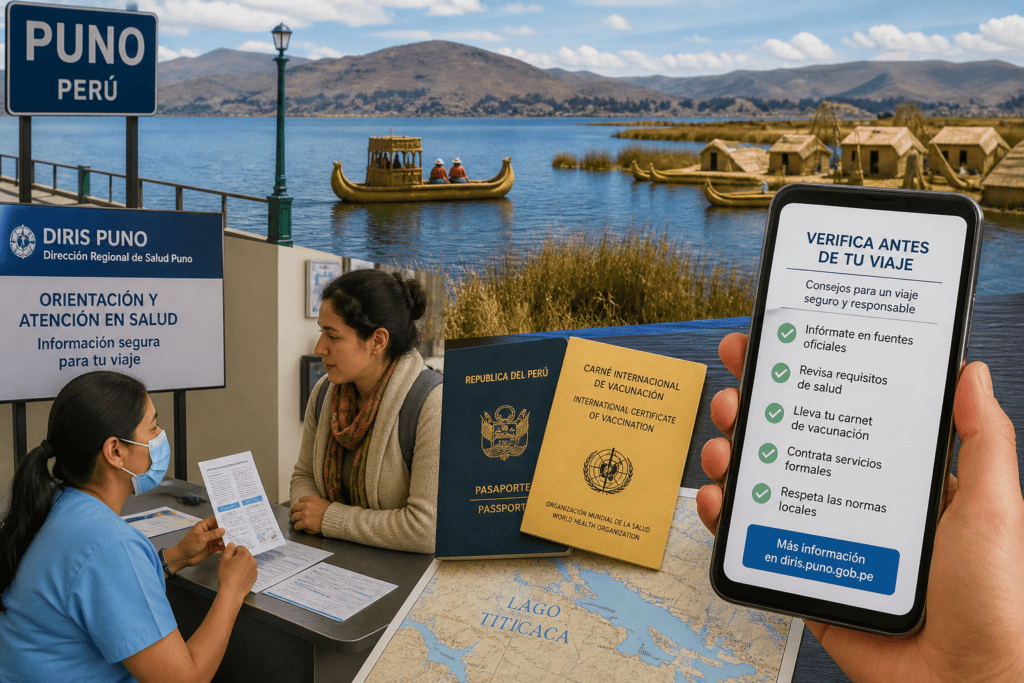
Look for verifiable business information
A legitimate health-related business should be able to communicate clearly about its legal identity, professional responsibility, product labeling, and customer support. Vague descriptions, disappearing messages, and pressure to move immediately to encrypted chats are warning signs. A polished website is not enough; fraudulent sellers can copy branding and publish fake certificates.
For any lawful medical route, ask whether the provider can explain the relevant process without promising guaranteed results. Be cautious when someone claims to offer products for every condition, refuses to discuss ingredients, or says that a prescription or consultation is unnecessary.
Red flags when evaluating cannabis offers
Whether an offer appears in Puno, Juliaca, or another city, the following signs should make you stop and reassess:
- The seller insists on an immediate deposit or uses urgency to prevent questions.
- The account has no stable business identity, verifiable location, or independent contact method.
- Product names, potency, ingredients, and batch information are missing.
- The seller promises that cannabis will cure a serious illness or replace prescribed treatment.
- Payment must be made through an unusual method, a third party, or a cryptocurrency wallet.
- The seller asks you to meet alone in a secluded place or changes the location at the last minute.
- The offer includes unexplained pills, powders, oils, or other substances mixed with cannabis.
- The seller refuses to provide a receipt or becomes threatening when you ask for documentation.
One red flag may be explainable, but several together indicate that walking away is the safest option. Do not confront a suspected seller or attempt to expose an account yourself. Save relevant information only if doing so is safe, then report serious fraud or threats to the appropriate authority.
Medical cannabis in Puno: use a professional route
If your interest is health-related, search for medical cannabis in Puno rather than an informal vendor. Start with a consultation from a qualified clinician who can review your symptoms, current medicines, allergies, medical history, and treatment goals. Cannabis can cause side effects and may interact with other substances, so self-treatment is not risk-free.
A clinician can also help you evaluate whether an evidence-based alternative is more appropriate. Do not stop prescribed medication or change its dose because of advice from a seller, influencer, or anonymous forum participant.
Ask a medical provider practical questions:
- Is cannabis appropriate for my condition and age?
- What benefits are supported by evidence, and what limitations should I expect?
- Could it interact with my current medicines or alcohol use?
- What side effects require stopping treatment or seeking urgent care?
- What documentation and lawful supply channels are required?
The World Health Organization’s cannabis health information provides general medical and public-health context, but it does not replace a consultation with a professional who knows your circumstances.
Online searches and local recommendations
Search results for cannabis laws in Puno or local cannabis services may mix current information with outdated pages, copied advertisements, and content written for another country. Check the publication date, identify who produced the information, and confirm important claims through an official institution.
Local recommendations can also be unreliable. A friend may have encountered a seller once, but that does not establish product quality or legal status. Reviews can be fabricated, and positive comments may be posted by the same person operating the account. Avoid treating follower counts, branded packaging, or influencer endorsements as safety evidence.
For broader regional context, readers may compare this topic with our guide to cannabis-related searches in Juliaca or our overview of weed information in Cusco. These articles should be read as general safety guidance, not as confirmation that any listed source is authorized or safe.
Personal safety for residents and visitors
Puno is a high-altitude destination with busy transport areas, tourism activity, and changing weather conditions. If you are unfamiliar with the city, avoid meeting unknown people alone, carrying large amounts of cash, or sharing accommodation details with strangers. These precautions apply to any informal transaction, regardless of the substance involved.
Do not drive, ride a motorcycle, or operate equipment after using cannabis. Avoid combining cannabis with alcohol or other drugs. If someone experiences severe confusion, chest pain, difficulty breathing, loss of consciousness, a seizure, or extreme agitation, seek urgent medical assistance immediately and provide healthcare workers with honest information about what may have been consumed.
Visitors should be especially careful about carrying cannabis across regional or international borders. A product obtained in one place may create serious problems when transported elsewhere, even if the original seller claimed it was legal. Keep travel documents and personal information private, and do not allow an informal seller to arrange transport on your behalf.
What to do if you have already been scammed
If you sent money to a suspected scammer, contact your bank or payment provider promptly and ask whether the transaction can be stopped or reviewed. Preserve receipts, account names, phone numbers, messages, and dates. Do not send additional money to recover the first payment, and be wary of anyone who claims to be able to retrieve funds for an upfront fee.
If you shared identity documents, change relevant passwords, enable two-factor authentication, and monitor accounts for unusual activity. If you received threats, report them to local law-enforcement authorities and avoid negotiating with the person directly.
A practical checklist for safer decisions
- Check current Peruvian government information before relying on any online claim.
- Decide whether your interest is medical, legal, or merely informational.
- Speak with a qualified healthcare professional for medical questions.
- Reject products without clear labeling, responsible oversight, or verifiable provenance.
- Never send money or personal documents to an unverified account.
- Avoid secluded meetings, last-minute location changes, and pressure tactics.
- Do not transport cannabis across borders or use it before driving.
- Report fraud, threats, or suspected unsafe products through appropriate official channels.
Conclusion
Finding weed vendors in Puno is not simply a matter of locating a nearby advertisement. The central questions are whether the product and provider are lawful, whether the information can be independently verified, and whether the decision could expose you to health or personal-safety risks. Informal sellers rarely provide the accountability expected of a regulated medical service.
A safer path is to verify current cannabis rules, consult a qualified professional for health-related needs, avoid anonymous offers, and leave any situation involving pressure, secrecy, or unclear product information. When reliable evidence is unavailable, choosing not to proceed is the most responsible decision.

The Ziklane Editorial Team is dedicated to providing accurate, well-researched, and up-to-date information on cannabis laws and regulations around the world. Our content is created through careful research of publicly available legal sources, government publications, and reputable references to help readers better understand local cannabis legislation. We are committed to delivering educational, factual, and regularly updated content while encouraging readers to comply with the laws of their respective countries and regions.