
People searching for weed sellers in Barranca, Peru should first understand the legal and safety risks involved. Unlicensed cannabis sales can expose buyers to criminal penalties, scams, contaminated products, theft, and unsafe meetings. A search result, social-media account, or personal recommendation is not proof that a seller is authorized or that a product is safe.
This guide does not provide dealer names, addresses, phone numbers, private contacts, or instructions for arranging an illegal purchase. Instead, it explains how to research weed in Barranca responsibly, where medical access may fit into the legal framework, how to recognize misleading offers, and what questions to ask before considering any lawful cannabis-related option.
What to know before searching for cannabis in Barranca
In Peru, the legal treatment of cannabis depends on factors such as the product, its intended use, authorization, and the circumstances of possession or distribution. Medical and therapeutic access is not the same as recreational retail. A person should not assume that a shop, delivery service, online account, or informal seller is permitted simply because it uses terms such as “dispensary,” “clinic,” or “organic.”
Rules and administrative procedures can change. For current information, consult Peru’s Ministry of Health information portal and the official DIGEMID website, particularly when checking medical products, health-related requirements, or authorized pharmaceutical channels.
Local conditions also matter. Barranca is a coastal province in the Lima region, but information circulating in Lima, Huacho, or other cities may not apply directly to Barranca. Advice from a social-media group is not a substitute for a current government source or a licensed health professional.
Is recreational cannabis sold legally in Barranca?
A private seller offering flower, concentrates, edibles, or delivery does not automatically have legal authority to sell those products. Informal sales may take place through messaging applications or social networks, but visibility online is not evidence of licensing, product testing, or legal protection for the buyer.
It is especially important not to confuse personal possession rules with a general right to purchase. Even where a law recognizes limited circumstances involving use or possession, that does not necessarily authorize commercial sales, public distribution, advertising, or delivery. The details can depend on the facts of a case, so anyone facing a legal concern should seek advice from a qualified Peruvian lawyer rather than relying on internet summaries.
Readers comparing information from other cities can review this related legal-safety guide about weed sellers in Huaral. The same principle applies there: a local listing should be verified independently and should never be treated as proof of authorization.
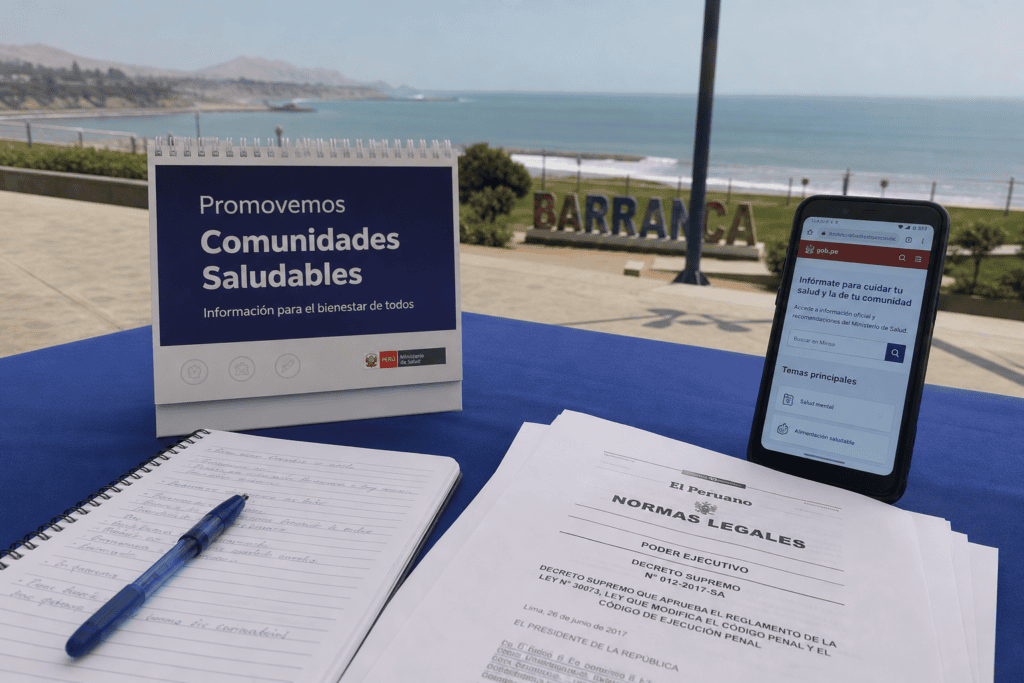
Medical cannabis in Barranca: a safer legal starting point
For someone considering cannabis for pain, sleep, anxiety, epilepsy, nausea, or another health concern, the safest first step is a consultation with a licensed clinician. Cannabis may not be appropriate for every condition, and it can interact with medicines or worsen certain symptoms. A professional can discuss evidence-based alternatives, possible risks, and whether a regulated medical pathway is relevant.
Questions to discuss with a health professional
- What symptom or diagnosis is being treated?
- Are there non-cannabis treatments with stronger evidence for the situation?
- Could cannabis interact with current medicines, alcohol, or other substances?
- Is there a history of psychosis, severe anxiety, heart disease, pregnancy, or problematic substance use that changes the risk?
- What product type, strength, dose, and monitoring plan would be appropriate if treatment is considered?
Medical cannabis in Barranca should be approached through documented medical advice and authorized channels, not through an anonymous seller promising a guaranteed cure. A responsible provider will not discourage a patient from consulting a doctor or insist that a diagnosis is unnecessary.
How to evaluate a cannabis-related business without arranging an illegal purchase
It is possible to research a business without sending money, sharing identification, or agreeing to meet an unknown seller. Start by checking whether the business has a verifiable legal identity, a physical location appropriate for its claimed service, clear terms, and a transparent explanation of what it is legally allowed to provide. A polished website or many followers is not enough.
Useful verification questions
- What is the registered business name and tax identification information?
- Is the business offering a medical product, a consultation, or something else?
- Which authority regulates the service or product?
- Can the provider explain its licensing or authorization without making vague claims?
- Are ingredients, strength, batch information, storage conditions, and expiry details available for a regulated product?
- Is there a clear receipt, privacy policy, and process for complaints?
If a provider refuses basic information, pressures you to pay quickly, or claims that its service is “completely legal” without identifying the relevant authorization, treat that as a serious warning sign. Do not send a deposit merely to receive a location or delivery appointment.
Red flags when looking for weed in Barranca
Many risks associated with informal cannabis sales are practical rather than technical. A buyer may receive a product that is mislabeled, unusually potent, mixed with other substances, contaminated by mold or pesticides, or different from what was advertised. There may also be no reliable way to report a problem or obtain a refund.
- Guaranteed medical results: No seller can responsibly promise that cannabis will cure a disease or work for every person.
- Pressure and urgency: Countdown offers, threats to cancel a meeting, or demands for immediate payment are common scam indicators.
- Anonymous payment requests: Requests for cryptocurrency, gift cards, or transfers to unrelated accounts make disputes difficult.
- No product information: Missing ingredients, strength, batch details, or storage guidance should end the conversation.
- Unsafe meeting arrangements: A stranger asking you to visit a private residence, isolated area, or unfamiliar vehicle creates unnecessary personal risk.
- Requests for sensitive documents: Do not provide identity documents, banking details, passwords, or intimate photographs to an unverified contact.
- Disguised sales language: “Gifts,” “memberships,” or “donations” may still represent an attempt to conduct an unlicensed sale.
Safer steps if you are contacted by an informal seller
Do not debate, threaten, or attempt to investigate the person yourself. Save only the information needed for a potential report, such as the account name, payment request, or message history, while avoiding further engagement. Do not click suspicious links or download files sent by unknown contacts.
If money has already been sent, contact your bank or payment provider promptly and ask whether the transaction can be stopped or disputed. Change passwords if you shared account information, enable two-factor authentication, and report the account to the platform. If there is a threat, extortion attempt, robbery, or immediate danger, contact local emergency or police services and preserve relevant evidence.
Never attempt to recover money by meeting the person in person. A financial loss is frustrating, but arranging a second meeting can create greater legal and personal danger.
How to assess product safety
Consumers should be cautious about any cannabis product that lacks independent testing and reliable labeling. Appearance and smell cannot confirm potency or purity. Homemade oils, sweets, vapes, and concentrates can be particularly difficult to evaluate because their contents may be unknown and their effects can be delayed or unexpectedly strong.
If a legally obtained medical product is available through an authorized route, follow the label and the prescriber’s instructions. Do not drive, operate machinery, mix cannabis with alcohol, or share prescribed products. Keep products away from children and pets. Anyone who develops severe confusion, chest pain, trouble breathing, loss of consciousness, or other alarming symptoms should seek urgent medical help.
Local research and trustworthy information
Search engines and social networks can be useful for locating official institutions, but they are poor tools for verifying anonymous sellers. Prefer government portals, licensed health services, established pharmacies where applicable, and professional medical advice. Check the publication date because cannabis guidance can become outdated.
For readers researching nearby areas, the guide to cannabis-related sellers and safety questions in Huacho offers a useful comparison point. Another related resource covers legal and safety considerations around cannabis in Pisco. These articles should be read as general educational material, not as endorsements of private sellers or proof that a particular vendor is authorized.
What responsible decision-making looks like
A careful approach begins by defining the goal. If the goal is medical relief, speak with a clinician and verify the applicable health rules. If the goal is recreation, understand that searching for an informal seller can involve legal uncertainty and product-safety risks. If the goal is information, use official sources and avoid sharing personal details with strangers.
It is also reasonable to decide not to proceed. No online offer is worth risking personal safety, financial information, legal trouble, or an unknown substance. A legitimate health professional should respect a patient’s questions, and a legitimate business should be able to explain its status without pressure or secrecy.
Conclusion
There is no reliable or responsible directory of unlicensed weed sellers in Barranca, Peru. Online accounts and word-of-mouth contacts cannot establish that a seller is legal, that a product is accurately labeled, or that a meeting will be safe. The most cautious path is to verify current information through Peruvian health authorities, consult a licensed clinician for medical questions, and avoid anonymous transactions, deposits, and private meetups.
When researching cannabis laws in Barranca, focus on official rules and your specific circumstances rather than promises made by sellers. Careful verification, protection of personal information, and willingness to walk away from unclear offers are the best safeguards available.

The Ziklane Editorial Team is dedicated to providing accurate, well-researched, and up-to-date information on cannabis laws and regulations around the world. Our content is created through careful research of publicly available legal sources, government publications, and reputable references to help readers better understand local cannabis legislation. We are committed to delivering educational, factual, and regularly updated content while encouraging readers to comply with the laws of their respective countries and regions.