
If you are searching for places to buy weed in Pisco, Peru, the most important starting point is understanding the law. Pisco does not have a clearly established recreational cannabis retail market where visitors can walk into licensed shops and purchase marijuana like they might in some other countries. Most offers found through social media, messaging apps, informal contacts, or street sellers should therefore be treated as unverified and potentially illegal.
This guide explains how to research weed in Pisco without relying on unsafe listings, what medical cannabis rules may mean, and how to recognize misleading offers. It does not identify illicit sellers or provide instructions for bypassing Peruvian law. Rules and enforcement can change, so confirm current requirements with official Peruvian authorities before making any decision.
What to know before looking for cannabis in Pisco
Pisco is a city in the Ica region, known for its coastal setting, vineyards, and proximity to Paracas and other tourist destinations. That visitor traffic can create an active informal market for many products, but visibility on the internet is not proof that a cannabis seller is licensed, safe, or legal.
Search results for cannabis in Pisco may include advertisements, anonymous accounts, discussion threads, or delivery claims. These sources commonly omit business registration details, product testing, a verifiable medical pathway, and clear information about possession limits. A professional-looking profile or positive comments cannot establish that a transaction complies with Peruvian law.
For a broader comparison of how cannabis-related searches are discussed in nearby cities, you can read this safer research guide to cannabis discussions in Ica. The same caution applies in Pisco: online conversation is not the same as an official retail channel.
Are there legal places to buy weed in Pisco, Peru?
There is an important difference between a regulated medical supply chain and an informal recreational sale. Peru has a legal framework for medicinal and therapeutic cannabis, but that does not mean every cannabis product offered in Pisco is authorized. A person should not assume that a delivery service, private grower, pharmacy advertisement, or social media account has government approval.
For current public information, consult the Peruvian Ministry of Health and the relevant pharmaceutical regulator, DIGEMID. These official sources are more reliable than anonymous listings when checking medical requirements, authorized products, and regulatory updates.
Medical cannabis is not the same as recreational retail
Medical cannabis may involve a diagnosis, professional advice, an authorized product, and documentation or registration requirements. The exact process can depend on the product and current regulations. A shop or seller claiming to provide “medical” cannabis without asking about medical need, providing product information, or directing customers to an authorized pathway deserves caution.
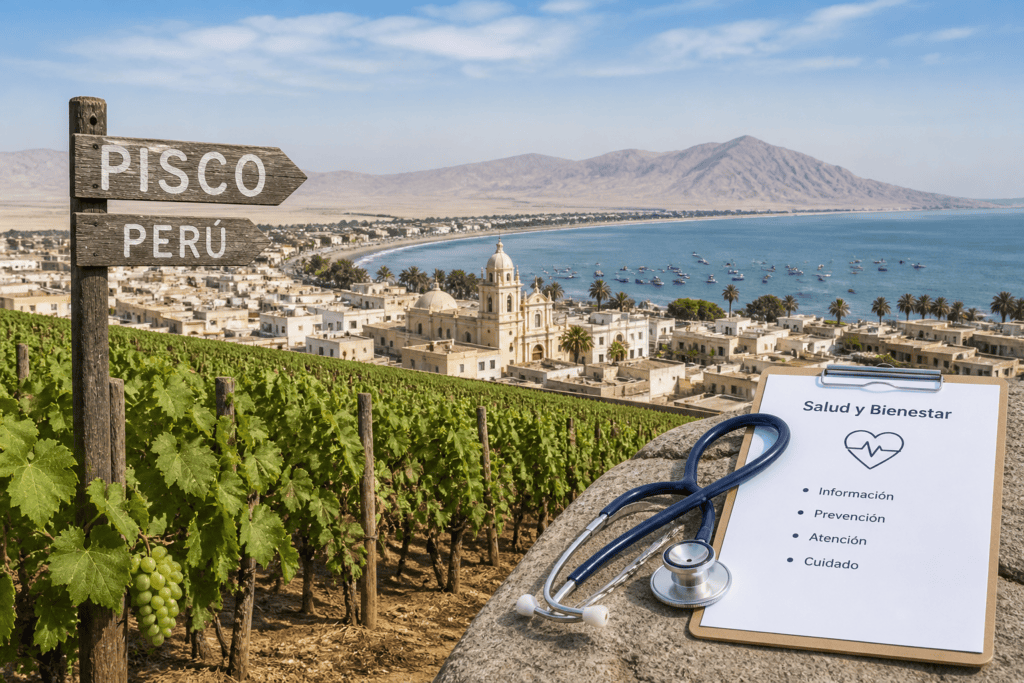
If you are considering medical cannabis in Pisco, begin with a licensed healthcare professional. Ask whether cannabis-based treatment is appropriate for your condition, what formulation may be relevant, and how to obtain a lawful product. Do not treat online testimonials as medical advice, and do not replace prescribed treatment without speaking with your clinician.
How to research weed in Pisco without relying on risky sellers
When people search for weed in Pisco, they often want a quick answer from a map listing or messaging group. A safer approach is to verify the legal route first and then assess the source. If no verifiable, authorized route exists for the product you want, the safest option is not to proceed.
Use official information before commercial claims
Start with government and public-health information rather than a seller’s advertising. Look for current guidance about medical cannabis, product authorization, prescriptions, possession, importation, and transport. If official information is unclear, contact the relevant authority or a qualified legal professional instead of assuming that silence means permission.
Check whether a pharmacy or provider is genuinely authorized
A legitimate medical provider should be able to identify its legal business name, physical location, professional responsibility, and the source of its products. It should also provide understandable labeling and explain how medical access works. Be wary of accounts that use only a nickname, refuse to identify a business, change contact details frequently, or claim to sell every strain and potency without documentation.
Do not send money or personal documents to anonymous contacts
Advance-payment scams are common in informal online markets. Warning signs include urgent payment requests, unusually low prices, “limited stock” pressure, requests for copies of passports, and promises of guaranteed delivery. Do not share banking credentials, identity documents, home access details, or private medical records with an unverified seller.
- Do not meet an unknown seller alone or in an isolated place.
- Do not carry cannabis across borders, through airports, or into hotels without understanding the applicable rules.
- Do not accept products in unmarked packaging or containers with no ingredients, batch information, or expiry date.
- Do not assume a product is safe because it is described as natural, organic, CBD, or medicinal.
- Keep conversations focused on lawful, verifiable information rather than evading police or customs checks.
Understanding cannabis laws in Pisco
There is no separate cannabis code for Pisco that makes informal sales automatically lawful. National Peruvian rules are relevant, while local authorities may also address public order, commercial activity, and safety. The phrase cannabis laws in Pisco should therefore be understood as a question about national regulation as applied in the city, not as evidence of a local recreational market.
Several legal questions are easy to confuse. Possession, personal use, cultivation, sale, transport, importation, and medical access can involve different rules. A person may also face additional risk when cannabis is used in public, carried across a border, supplied to someone else, or transported in a vehicle. Travelers should be especially careful because crossing from one jurisdiction to another can create separate legal issues.
Because legal interpretation depends on current legislation and individual circumstances, online articles cannot provide a personal legal clearance. If you face a specific situation involving police, customs, employment, driving, or medication, obtain advice from a qualified Peruvian lawyer or the appropriate official authority.
What to do if you are a visitor in Pisco
Visitors sometimes assume that tourist areas have relaxed rules. That assumption can be costly. A hotel, hostel, tour operator, taxi driver, or nightlife contact is not an official cannabis retailer simply because someone recommends them. Staff may also be unable to verify what a product contains or whether a transaction is lawful.
If you use prescribed cannabis medication, travel with the original packaging and supporting medical documents, and check requirements before entering Peru or moving between regions. Do not bring products from another country without confirming import rules in advance. A prescription from home may not automatically authorize possession or importation in Peru.
For visitors researching nearby options, an article about cannabis purchasing questions in Chincha Alta may provide useful regional context, but it should not be treated as proof that any seller is licensed or that rules are identical between locations.
Safer alternatives to an informal purchase
If your interest is medical, arrange a consultation with a qualified healthcare professional in Peru. Bring a list of current medications, allergies, diagnoses, and treatment goals. Ask specifically about authorized cannabis-based medicines rather than requesting an unverified flower product.
If your interest is recreational, the safest legal choice is to avoid informal purchases and public consumption. Consider lawful activities available in Pisco and the surrounding Ica region, such as guided cultural visits, responsible vineyard tours, coastal excursions, or other experiences that do not create unnecessary legal or health risks.
Anyone who has already consumed an unknown product should avoid driving, swimming, operating machinery, or combining it with alcohol or other drugs. Seek urgent medical help if there is chest pain, severe confusion, loss of consciousness, breathing difficulty, extreme agitation, or a suspected poisoning. Keep the packaging, if available, so medical staff can identify possible ingredients.
A practical checklist for evaluating an online cannabis claim
- Identify whether the offer is for a medical product or an alleged recreational sale.
- Check official Peruvian sources for the current legal pathway.
- Confirm the provider’s legal identity and authorization rather than relying on reviews.
- Look for clear labeling, ingredients, batch details, and a traceable manufacturer.
- Reject pressure tactics, anonymous payment requests, and guarantees that sound unrealistic.
- Do not transport products across borders or use them in public without understanding the rules.
- When in doubt, stop the transaction and ask a healthcare professional, regulator, or lawyer.
Conclusion: finding a safe answer in Pisco
The most responsible answer to the question of places to buy weed in Pisco, Peru is not a list of anonymous vendors. Pisco does not offer a clearly established recreational dispensary system that makes informal online recommendations reliable. Medical cannabis may be available through a regulated pathway, but eligibility, products, and procedures should be confirmed through official sources and qualified professionals.
Researching cannabis in Pisco safely means separating legal medical access from unverified recreational offers, protecting your personal information, refusing suspicious transactions, and checking current Peruvian rules before acting. If an offer cannot be verified, the safest decision is to walk away.

The Ziklane Editorial Team is dedicated to providing accurate, well-researched, and up-to-date information on cannabis laws and regulations around the world. Our content is created through careful research of publicly available legal sources, government publications, and reputable references to help readers better understand local cannabis legislation. We are committed to delivering educational, factual, and regularly updated content while encouraging readers to comply with the laws of their respective countries and regions.