
Finding trusted weed sellers in Pichanaqui requires more than locating a social-media account or a person offering delivery. In Peru, cannabis access is shaped by medical regulations, product controls, age restrictions, and local enforcement. A seller who cannot explain the product’s origin or provide credible documentation may expose buyers to legal, health, and financial risks.
This guide does not list unverified vendors or help arrange an illicit purchase. Instead, it explains how to evaluate cannabis information, recognize warning signs, understand the legal context, and pursue safer options. The same approach is useful for anyone researching weed in Pichanaqui, whether they are a resident, visitor, caregiver, or patient considering medical cannabis.
What to know before looking for cannabis in Pichanaqui
Pichanaqui is in the Junín region, where informal recommendations can spread quickly through messaging apps, social networks, and personal contacts. Informal availability, however, does not establish that a seller is licensed, that the product is safe, or that possession and purchase are lawful in a particular situation.
Before contacting anyone, separate three questions:
- Is the activity legal? The answer may depend on the product, purpose, documentation, and applicable Peruvian rules.
- Is the product identifiable? A responsible source should be able to explain what the product is and how it was produced or imported.
- Is the transaction safe? Requests for unusual payments, secrecy, or an immediate meeting can signal fraud or personal danger.
People searching for cannabis in Pichanaqui should also remember that online claims are not proof of legitimacy. Reviews can be copied, accounts can be temporary, and attractive product photos may not represent the item actually offered.
Cannabis laws in Pichanaqui and Peru
There is no separate local cannabis market law that makes an unlicensed seller trustworthy simply because they operate in Pichanaqui. National rules and health requirements remain important, and medical use should be considered through an appropriate healthcare and regulatory pathway.
For current public-health information, consult the official Peru Ministry of Health information portal. For medicine-related regulatory information, the General Directorate of Medicines, Supplies and Drugs is a more appropriate starting point than anonymous online advice.
Rules and administrative procedures can change. Readers should verify current requirements before possessing, transporting, importing, cultivating, or purchasing cannabis products. If a seller tells you that a medical claim, prescription, or registration is unnecessary, treat that statement cautiously and confirm it with an official authority or qualified professional.
Medical cannabis and professional advice
Medical cannabis in Pichanaqui should be approached as a healthcare question, not simply as a retail purchase. A clinician can review symptoms, existing medicines, allergies, mental-health history, pregnancy considerations, and the potential for impairment or interactions. A consultation is especially important for minors, older adults, people with cardiovascular conditions, and anyone with a history of psychosis or substance-use problems.
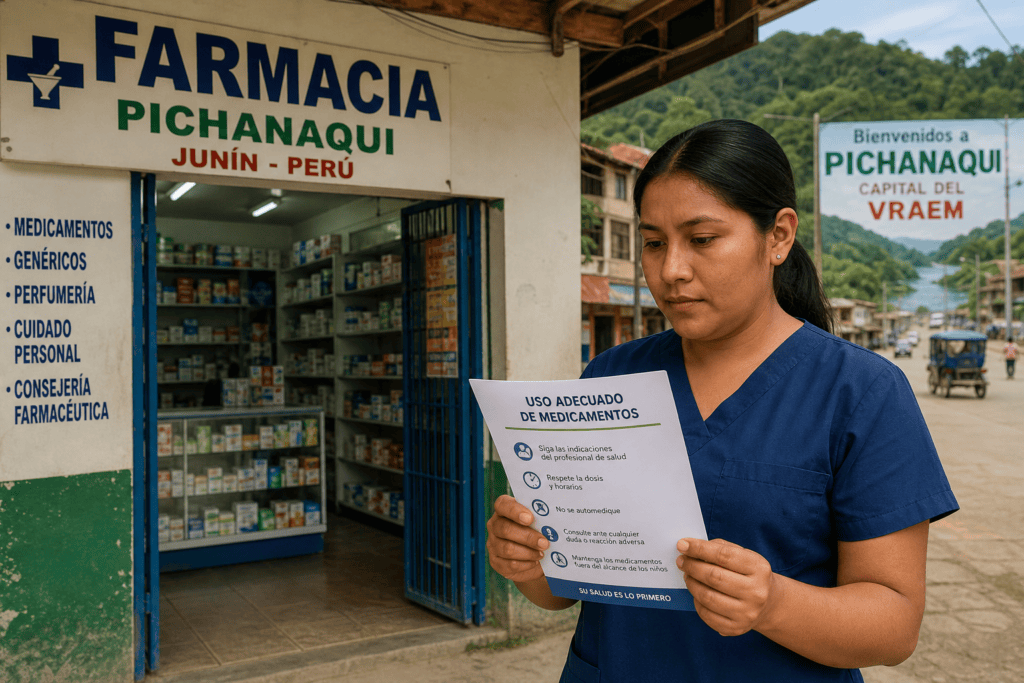
A healthcare professional can also help determine whether a regulated medicine is suitable and what alternatives may be available. Do not replace prescribed treatment with an unlabelled product or change a medication schedule based on a vendor’s recommendation.
How to assess supposedly trusted weed sellers in Pichanaqui
There may be no simple public directory of legitimate sellers in a smaller city. Rather than relying on a “best seller” list, assess the source against several practical standards. If the seller refuses basic questions, pressure is applied, or the offer seems unusually cheap, walk away.
1. Look for transparent business information
A credible legal business should be willing to identify its business name, location, contact method, and applicable authorization. A disappearing account, a profile with no verifiable details, or a seller who communicates only through encrypted messages offers little accountability.
Do not assume that a logo, a professional-looking menu, or a large follower count proves legitimacy. Check whether the information is consistent across channels and whether the business can provide documentation appropriate to the product being offered.
2. Ask for product information
Unlabelled flower, oils, edibles, or vape products carry uncertainty about potency, contaminants, and ingredients. Safer products should have clear labeling and, where applicable, batch or laboratory information. Be cautious when a seller makes absolute claims such as “100 percent safe,” “cures everything,” or “has no side effects.”
Do not accept a photograph of a test report without checking whether it relates to the exact product and batch. A report that lacks a laboratory identity, date, sample description, or measurable results is not meaningful evidence of quality.
3. Avoid risky payment and delivery requests
Advance payment through an untraceable method, pressure to pay immediately, and repeated requests for additional delivery fees are common scam patterns. A seller who insists on meeting in an isolated location or asks you to carry a package for someone else creates additional safety and legal concerns.
Never share identity documents, banking passwords, one-time security codes, or intimate personal information with an unknown contact. If a transaction feels coercive or confusing, end the conversation and keep records of the messages.
4. Confirm age and responsible-use policies
A responsible legal operator should not encourage use by minors or promote driving, operating machinery, or combining cannabis with alcohol. Sellers who advertise extreme intoxication, concealment from authorities, or delivery to anyone without questions are showing poor safety practices.
Warning signs of unsafe cannabis offers
When researching weed in Pichanaqui, the following signs should make you reconsider the source:
- No clear business identity, documentation, or product labeling.
- Claims that cannabis can cure serious diseases without clinical support.
- Pressure to pay before answering basic questions.
- Prices that are dramatically lower than comparable products without an explanation.
- Unwillingness to discuss ingredients, potency, storage, or expiration.
- Requests to meet alone, enter a private residence, or travel to an unfamiliar area.
- Offers to transport cannabis across borders or through airports.
- Instructions to hide products from law enforcement or healthcare providers.
Any one sign may not prove criminal conduct, but several together indicate that the safest choice is to disengage. Do not confront a suspected seller. If you believe you have encountered fraud, threats, or exploitation, preserve evidence and contact an appropriate local authority.
Safer questions to ask before considering a product
If you are communicating with a potentially regulated provider, use neutral questions focused on safety and legality rather than negotiating a secret purchase:
- What is the legal status of this product and business?
- What are the ingredients, concentration, and recommended use?
- How is the product labeled, stored, and protected from contamination?
- Can the provider explain the relevant medical or regulatory requirements?
- What information is available about the batch, testing, expiration, and manufacturer?
- What warnings apply to driving, pregnancy, prescription medicines, or existing conditions?
A trustworthy source should answer clearly without making guarantees. If the response is vague, aggressive, or based only on personal anecdotes, do not treat it as professional guidance.
Online research and local recommendations
Search results and community discussions can help identify questions to investigate, but they should not be treated as proof that a seller is legal or safe. A recommendation from a friend may reflect a positive experience with delivery, not verified product quality or compliance with Peruvian law.
For comparison, our guides on safer cannabis research in San Vicente de Cañete and evaluating cannabis retailers in Jaén use the same principle: verify legal status and product information instead of trusting an anonymous listing. Local conditions differ, so information from another city should not be assumed to apply in Pichanaqui.
What to do if you are already using cannabis
If you choose to use cannabis despite the risks, reduce harm by avoiding driving, heavy machinery, alcohol, and other intoxicating substances. Start with caution because potency can vary substantially, particularly with oils, edibles, and concentrated products. Keep all cannabis products away from children and pets, and store them in a clearly identified, secure place.
Seek urgent medical help for chest pain, severe confusion, loss of consciousness, seizures, serious breathing problems, or a frightening reaction that does not improve. Tell healthcare staff what was taken, how much, and when; accurate information helps them provide safer care.
A practical checklist for Pichanaqui residents
Before responding to any cannabis offer, use this short checklist:
- Confirm the current legal and medical framework through official Peruvian sources.
- Check whether the provider has a verifiable identity and appropriate authorization.
- Reject products without reliable labeling or basic safety information.
- Do not send sensitive documents or untraceable advance payments.
- Avoid isolated meetings, cross-border transport, and requests to conceal activity.
- Consult a qualified healthcare professional for medical use or medication questions.
- Keep children, pets, and impaired drivers away from cannabis products.
Conclusion
The safest answer to the search for trusted weed sellers in Pichanaqui is not a name from an anonymous listing. It is a careful process: understand cannabis laws in Pichanaqui through official sources, seek professional advice for medical use, verify any provider’s identity and documentation, and avoid products or transactions that cannot be assessed.
Because unregulated cannabis may involve legal uncertainty, contamination, scams, and personal safety risks, walking away is often the most responsible decision. If a legitimate medical need exists, begin with a qualified healthcare professional and current information from Peru’s health authorities rather than relying on informal sellers.

The Ziklane Editorial Team is dedicated to providing accurate, well-researched, and up-to-date information on cannabis laws and regulations around the world. Our content is created through careful research of publicly available legal sources, government publications, and reputable references to help readers better understand local cannabis legislation. We are committed to delivering educational, factual, and regularly updated content while encouraging readers to comply with the laws of their respective countries and regions.