
Searches for where to buy weed in Omsk often lead to anonymous forums, private channels, message boards, or social-media discussions. These spaces may look like local advice communities, but they can also contain scams, misleading claims, malware, privacy threats, and invitations to participate in illegal activity. A responsible guide should therefore explain how to evaluate what you read without directing anyone to sellers, contacts, delivery points, or methods of purchase.
This article focuses on online safety, legal awareness, health information, and practical ways to recognize unreliable forum content. It does not provide sources for obtaining cannabis or help arrange a transaction.
Why people search forums about weed in Omsk
People may use local forums because they want to understand drug laws, ask about possible medical treatment, discuss past experiences, or find support for substance-use concerns. Others may be trying to verify whether a message, advertisement, or private account is genuine. The local angle can make posts appear more trustworthy, especially when they mention recognizable districts, landmarks, delivery promises, or familiar Russian-language expressions.
However, apparent local knowledge is not proof of legitimacy. A post may be copied from another city, written by a fraudulent operator, or designed to move a conversation into an encrypted private channel. User ratings and comments can also be fabricated. Treat every unverified offer as a potential risk rather than as a recommendation.
Where to Buy Weed in Omsk: What Forum Readers Should Know
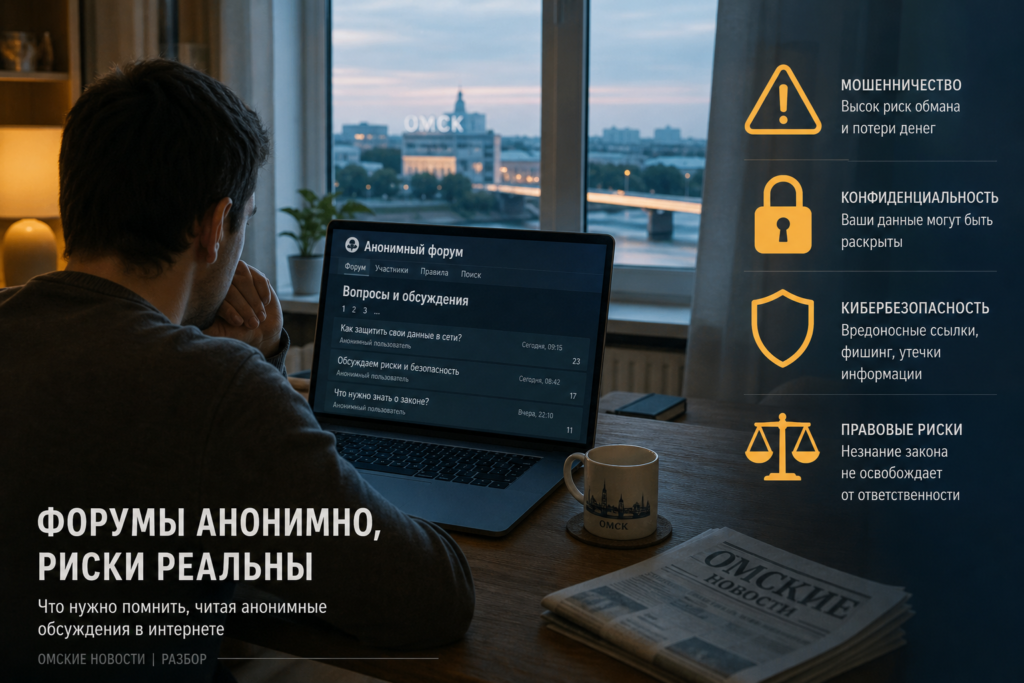
Forum discussions about where to buy weed in Omsk should be read as unverified user-generated content, not as a directory or legal source. Posts that name a seller, advertise a delivery service, or suggest a discreet meeting may expose readers to legal, financial, and personal-safety risks.
Common warning signs in local discussions
- Requests for advance payment through cryptocurrency, gift cards, unusual payment services, or transfers to unrelated accounts.
- Promises of guaranteed quality, complete anonymity, or delivery without any explanation of legal status.
- Pressure to act quickly, especially when a user claims that an offer will disappear within minutes.
- Requests for passport photographs, selfies, home addresses, phone numbers, or copies of payment documents.
- Links that lead to unfamiliar websites, downloadable applications, login pages, or files.
- Accounts with little history, repetitive wording, copied reviews, or sudden changes in username.
- Instructions to visit isolated locations or follow unexplained steps after payment.
These signals do not prove that a particular post is fraudulent, but they are strong reasons not to engage. Do not send money, identification documents, intimate images, or precise location information to anonymous contacts.
Understanding cannabis laws in Omsk and Russia
Omsk is subject to Russian federal law, so a forum post cannot create a legal exception for possession, purchase, distribution, cultivation, or delivery. The legal consequences depend on the substance, quantity, conduct, and circumstances. Even a claim that a product is “legal,” “medical,” or “hemp-derived” should not be accepted without checking current official information and obtaining qualified legal advice.
Online discussions frequently blur the difference between hemp products, cannabis containing controlled compounds, prescription medicines, and unregulated products. Those categories may be treated differently, and product labels may be inaccurate. A buyer cannot reliably establish composition, dosage, contamination, or legal status from a photograph or anonymous message.
For international context on controlled substances and drug policy, readers can consult the United Nations Office on Drugs and Crime. It is also useful to review evidence-based public-health information from the World Health Organization’s cannabis information page. Neither source is a purchasing guide, and general information should not replace advice from a qualified lawyer or clinician familiar with Russian regulations.
How to assess claims about cannabis in Omsk
When reading claims about cannabis in Omsk, separate facts from anecdotes. A personal story may describe one person’s experience, but it does not establish that a product is safe, that a seller is genuine, or that an action is lawful. Screenshots, laboratory-looking labels, and positive comments can all be manipulated.
A practical credibility checklist
- Identify the claim. Is the post making a legal, medical, product-quality, or delivery claim? Different claims require different evidence.
- Check the source. Look for a named institution, a current publication date, and a source that can be independently verified.
- Compare reliable information. If a statement conflicts with official legal or public-health guidance, do not rely on the forum post.
- Look for commercial pressure. Urgency, secrecy, referral bonuses, and requests for payment are signs that the content may be promotional or fraudulent.
- Protect your account. Avoid clicking unknown links, reusing passwords, or downloading files from anonymous users.
- Leave when the discussion becomes transactional. A conversation that shifts from general information to a contact, payment, or meeting request is no longer a neutral discussion.
Medical cannabis in Omsk: safer ways to seek help
Searches for medical cannabis in Omsk may reflect genuine symptoms such as chronic pain, sleep problems, nausea, anxiety, or treatment side effects. Anonymous forums are not a safe substitute for clinical assessment. A doctor can consider the underlying condition, existing medicines, allergies, mental-health history, and possible interactions.
Prepare a short record before a medical appointment. Note when symptoms began, what makes them better or worse, medicines and supplements currently used, previous diagnoses, and any unwanted effects. Ask what approved treatments are available in Russia, what evidence supports them, and whether a referral to a specialist is appropriate.
Do not stop prescribed medicine suddenly or replace it with an unverified cannabis product based on a forum recommendation. Products sold through informal channels may have unknown strength or contaminants. Combining psychoactive substances with alcohol, sedatives, or other medicines can also create additional risks.
Privacy and cybersecurity risks on anonymous forums
Drug-related discussions can attract phishing attempts and extortion because users may fear exposure. A scammer may first offer information, then request a phone number or identity document, and later threaten to publish the material. Another common tactic is a fake payment page that captures banking details or account credentials.
Use a unique password and multi-factor authentication for forum accounts. Review what personal information is visible in old posts, remove unnecessary location details, and avoid sharing workplace, school, home, or family information. Never upload an identity document to prove that an anonymous seller is trustworthy. If you clicked a suspicious link, change the affected password from a clean device, contact your bank if payment details were entered, and report the account to the platform.
What to do if a forum post creates immediate risk
If someone is threatening you, demanding money, arranging a meeting, or attempting to expose private information, stop communicating and preserve evidence. Save message links, usernames, timestamps, payment records, and screenshots without forwarding illegal material unnecessarily. Report the account to the platform and contact appropriate local law-enforcement or emergency services when there is an immediate threat.
If a person may have consumed an unknown substance and is experiencing severe confusion, unconsciousness, breathing difficulty, chest pain, seizures, or extreme agitation, seek emergency medical help immediately. Do not rely on forum instructions, and do not delay care because of fear of embarrassment.
Better questions to ask online
Instead of asking strangers where to buy weed in Omsk, use online communities for questions that reduce risk and support informed decisions. Examples include:
- Where can I find reliable information about current Russian drug regulations?
- Which type of licensed medical professional should I consult about persistent symptoms?
- How can I recognize phishing, payment fraud, or identity theft in a private chat?
- What information should I bring to a doctor about side effects or treatment history?
- How can a person seek confidential support for problematic substance use?
These questions are more likely to produce constructive answers and less likely to draw attention from scammers or illegal sellers. They also keep the focus on health, rights, and personal safety rather than on an unverified transaction.
Conclusion
Online forums can reveal what people are discussing, but they cannot make an illegal purchase safe or verify an anonymous seller. Posts about weed in Omsk may contain useful questions, yet readers should treat offers, delivery claims, product guarantees, and legal assurances with particular caution. Avoid sharing personal data or money, do not follow unknown links, and verify important claims through official legal or medical sources.
If the underlying concern is a health condition, speak with a qualified clinician. If the concern is a threat, scam, or possible overdose, use appropriate emergency, financial, platform-reporting, or law-enforcement channels. The safest response to an anonymous cannabis offer is not to investigate the seller further, but to step away and seek reliable help.

The Ziklane Editorial Team is dedicated to providing accurate, well-researched, and up-to-date information on cannabis laws and regulations around the world. Our content is created through careful research of publicly available legal sources, government publications, and reputable references to help readers better understand local cannabis legislation. We are committed to delivering educational, factual, and regularly updated content while encouraging readers to comply with the laws of their respective countries and regions.