
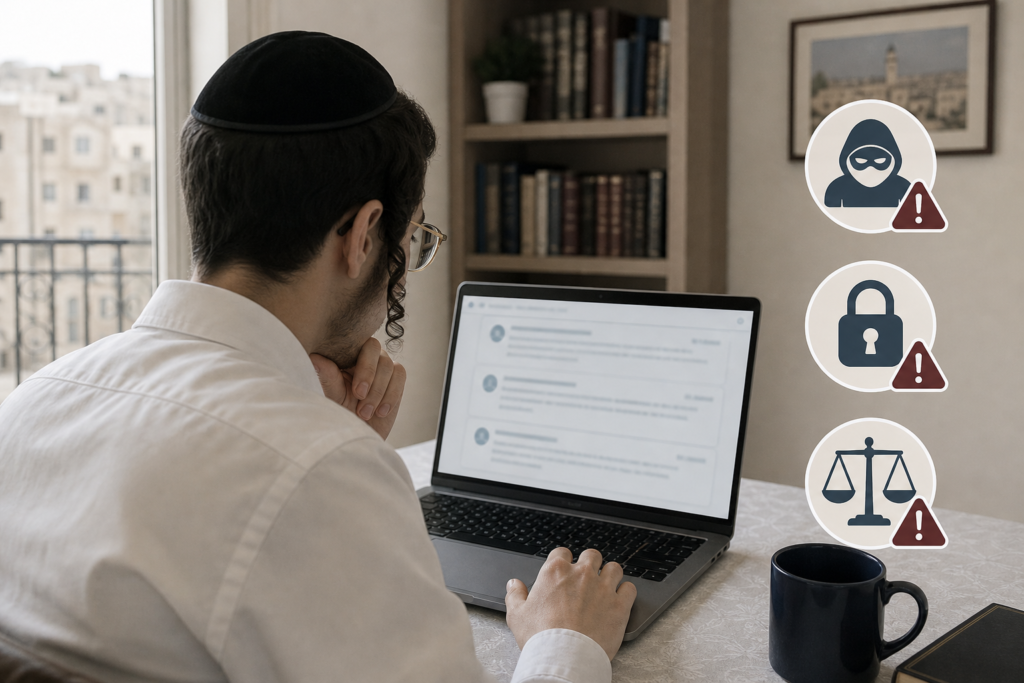
People searching for where to buy weed in Beit Shemesh may encounter local discussion groups, anonymous forums, messaging channels, and social-media posts that claim to connect buyers with cannabis sellers. These spaces can appear helpful, but they are also difficult to verify and may expose users to scams, unsafe products, privacy risks, or legal trouble.
This guide does not provide seller names, contact details, delivery routes, or instructions for making an illicit purchase. Instead, it explains how to assess online discussions responsibly, recognize common warning signs, and separate general information from claims that should not be trusted. It also outlines safer questions to ask about legal access, medical care, and personal privacy in Beit Shemesh.
Why people turn to forums for weed in Beit Shemesh
Online forums can seem more approachable than formal services. A user may want to ask an anonymous question, learn whether a product is available locally, or hear about another person’s experience. In a city with different neighborhoods, languages, and communities, local discussion boards may also feel more relevant than broad national websites.
However, a forum post is not the same as a verified recommendation. Anonymous users may be sellers, impersonators, scammers, or people repeating rumors. A post can also become outdated quickly. A phone number, username, or delivery claim that appears in a discussion may be deliberately planted to collect payments or personal information.
Common types of online discussion
- Public forums: These may contain general questions and anecdotal experiences but rarely verify the identity or qualifications of participants.
- Private messaging groups: They can create a false sense of trust because membership is limited, while moderation standards may be unclear.
- Social-media comments: Short posts often omit important context, including product origin, testing, legal status, and health warnings.
- Local community groups: These may be useful for discussing public-health resources, but they should not be treated as marketplaces or professional medical services.
How to evaluate Beit Shemesh cannabis forums
When reading cannabis in Beit Shemesh discussions, focus on the quality of the information rather than the confidence of the language. Posts that promise guaranteed availability, unusually low prices, instant delivery, or complete anonymity deserve particular caution.
Signs a post may be unreliable
- It asks for payment before providing verifiable information.
- It insists on cryptocurrency, gift cards, or an irreversible transfer.
- It pressures you to act immediately or discourages questions.
- It uses several new accounts with nearly identical wording.
- It claims that an item is “completely legal” without explaining the applicable rules.
- It offers medical claims without identifying a qualified clinician or licensed provider.
- It requests a passport, identity document, banking details, or unnecessary photographs.
- It refuses to provide basic information about packaging, labeling, or lawful provenance.
Even a post that includes photographs, reviews, or references from other users may not be trustworthy. Images can be copied, reviews can be fabricated, and accounts can be coordinated. Treat testimonials as unverified personal claims, not evidence of product quality or legality.
Questions that reveal missing information
A responsible reader can ask whether a discussion clearly distinguishes legal medical access from informal sales. It is also reasonable to ask whether claims come from an official source, a licensed professional, or merely an anonymous participant. If a conversation avoids those distinctions and focuses only on price, speed, or secrecy, it is not a reliable basis for a health or legal decision.
Understanding cannabis laws in Beit Shemesh
Cannabis laws in Beit Shemesh are shaped primarily by Israeli national law rather than by informal local practice. A seller’s claim that “everyone does it” does not establish legality, and a forum’s description of local enforcement should not be treated as legal advice. Rules can also change, and their application may depend on the person’s age, the product, the quantity, the location, and whether the use is authorized for medical purposes.
Before acting on information found online, consult current guidance from an official Israeli authority or a qualified lawyer. The official Israeli government portal is a suitable starting point for locating current government information. For health-related background on cannabis effects and risks, the World Health Organization cannabis fact sheet provides general public-health information.
Do not assume that a product is lawful because it is described as “natural,” because it is sold in a familiar-looking package, or because a forum says it contains only a small amount of a particular compound. Product labels may be inaccurate, and online claims may not reflect the current legal classification.
Medical cannabis in Beit Shemesh: safer questions to ask
People looking for medical cannabis in Beit Shemesh should begin with a healthcare professional rather than an anonymous seller. A clinician can discuss whether cannabis is appropriate, possible interactions with medicines, mental-health considerations, and alternatives with stronger evidence for the person’s condition.
Useful questions for a medical appointment include:
- Is cannabis appropriate for my symptoms and medical history?
- Could it interact with prescription medicines, alcohol, or other substances?
- What side effects should prompt a call to a healthcare provider?
- Could cannabis affect driving, work, pregnancy, or caregiving responsibilities?
- What legal process applies if medical treatment is being considered?
- How should a legally supplied product be stored and used?
A person who already uses cannabis should be open with their clinician about the amount, frequency, method of use, and any unwanted effects. Accurate information helps the clinician identify risks. Stopping suddenly, changing products, or combining cannabis with sedatives without medical guidance can create additional problems for some people.
Privacy and scam prevention when reading local forums
Searching for weed in Beit Shemesh can reveal more personal information than expected. Search histories, direct messages, payment records, location details, and identity documents may all be collected by unknown parties. A private group is not necessarily private in practice.
- Do not share identity documents or sensitive medical records with anonymous accounts.
- Do not send money merely to reserve a product or prove that you are a “serious buyer.”
- Use strong, unique passwords and enable two-factor authentication on relevant accounts.
- Be cautious with links, files, and phone numbers posted by unknown users.
- Do not meet unknown contacts alone or in unsafe locations.
- Keep screenshots of suspicious messages if you need to report fraud.
- If you have already paid a suspected scammer, contact your payment provider promptly and consider reporting the incident to the appropriate authorities.
Parents, caregivers, and community moderators can also help by discouraging doxxing, removing personal information, and directing health questions toward qualified services. A forum is safer when it provides education and support without turning into an unverified marketplace.
What useful forum information looks like
Not every cannabis discussion is harmful. A constructive thread may explain how to find a licensed healthcare service, encourage consultation with a doctor, summarize publicly available government guidance, or discuss general health risks without promoting a transaction. It may also acknowledge uncertainty instead of presenting rumors as facts.
Look for posts that:
- Distinguish personal experience from professional advice.
- Link to official sources rather than anonymous screenshots.
- Acknowledge that laws and medical guidance can change.
- Avoid promises about specific effects or guaranteed outcomes.
- Respect privacy and do not publish names, addresses, or private conversations.
- Encourage urgent medical help when someone reports severe symptoms.
By contrast, a discussion becomes risky when it normalizes secrecy, pressures vulnerable people, or treats untested products as harmless. Moderators should remove direct sales offers, suspicious payment requests, and claims that could lead users to delay needed medical care.
Better alternatives to anonymous buying advice
If your goal is symptom relief, speak with a doctor or pharmacist about evidence-based options. If your concern is legal access, consult current official information or a qualified legal professional. If you are worried about someone’s cannabis use, approach the conversation without judgment and encourage medical or mental-health support.
For urgent symptoms such as severe confusion, chest pain, difficulty breathing, loss of consciousness, or a serious reaction, seek emergency medical assistance rather than asking an online forum for advice. Online communities cannot examine a patient, verify a product, or manage an emergency.
A useful personal checklist is simple: verify the source, protect your identity, avoid irreversible payments, distinguish medical information from advertising, and confirm the current law through an authoritative channel. These steps are more reliable than relying on a single anonymous recommendation.
Conclusion
Searching for where to buy weed in Beit Shemesh through online forums can expose users to misinformation, fraud, unsafe products, and legal uncertainty. Forums may help people identify questions to ask, but they cannot verify sellers, test substances, or replace professional advice.
The safest approach is to treat anonymous posts as unverified leads, avoid transactions arranged through informal channels, and use official government or healthcare resources for current guidance. Whether your interest concerns recreational use, possible treatment, or support for someone else, careful verification and privacy protection should come before any decision.

The Ziklane Editorial Team is dedicated to providing accurate, well-researched, and up-to-date information on cannabis laws and regulations around the world. Our content is created through careful research of publicly available legal sources, government publications, and reputable references to help readers better understand local cannabis legislation. We are committed to delivering educational, factual, and regularly updated content while encouraging readers to comply with the laws of their respective countries and regions.