
If you are searching for where can I purchase weed in Dhangethi, the most important answer is that you should not expect a legal cannabis shop, licensed dispensary, or regulated recreational market on the island. Dhangethi is in the Maldives, where drug offences are treated seriously and cannabis is not sold through a lawful retail system.
Buying from an informal seller can expose you to legal trouble, scams, unsafe products, arrest, and serious travel disruption. This guide explains what visitors and residents should know about weed in Dhangethi, how to handle medical needs, what to do if someone offers you drugs, and how to find safer legal alternatives during your stay.
Is cannabis legally sold in Dhangethi?
There is no established legal dispensary network for recreational cannabis in Dhangethi. A person offering marijuana, hashish, edibles, vape products, or another cannabis product is not operating like a licensed retailer in a regulated market. Even if the transaction appears casual, purchasing, possessing, carrying, or sharing cannabis can create serious legal consequences under Maldivian law.
Dhangethi is a small island community rather than a destination with a public cannabis retail industry. Online messages, hotel-area approaches, boat transfers, or word-of-mouth offers should not be interpreted as signs that cannabis is legal. An informal seller may also misrepresent another substance as cannabis, charge money without delivering anything, or attempt to involve a buyer in a wider criminal investigation.
Understanding cannabis laws in Dhangethi and the Maldives
The safest approach to cannabis laws in Dhangethi is to assume that recreational cannabis is prohibited unless a relevant Maldivian authority confirms otherwise in writing. Do not rely on social media posts, advice from another tourist, a taxi driver, a guesthouse contact, or a seller claiming that small amounts are tolerated.
Drug laws can apply to possession and transport as well as sale. That matters in an island setting because moving an item between islands, onto a resort boat, through an airport, or across a national border may create additional risks. A product bought on one island can still cause problems when carried elsewhere, even if the buyer never intended to sell it.
For current official information, consult the Maldives Police Service and review the UK government’s Maldives entry requirements and travel advice before travelling. Official guidance can change, and travellers should check the rules that apply to their nationality, medicines, and planned route.
Why a small purchase is not necessarily a small risk
- A small quantity does not automatically make possession lawful.
- Travelling with cannabis between islands can create additional exposure to enforcement.
- Products may contain unknown substances, contaminants, or a much higher concentration than expected.
- A seller may be connected to a scam, theft, coercion, or other criminal activity.
- An arrest or investigation can affect accommodation, employment, immigration status, and departure plans.
What to do if someone offers you weed in Dhangethi
The clearest response is a polite refusal and immediate disengagement. Do not negotiate, ask for samples, handle a package, send payment, or agree to meet somewhere private. Avoid taking photographs of the person or escalating the conversation. If you feel pressured, move to a public place such as your accommodation reception, a busy café, or another staffed location.
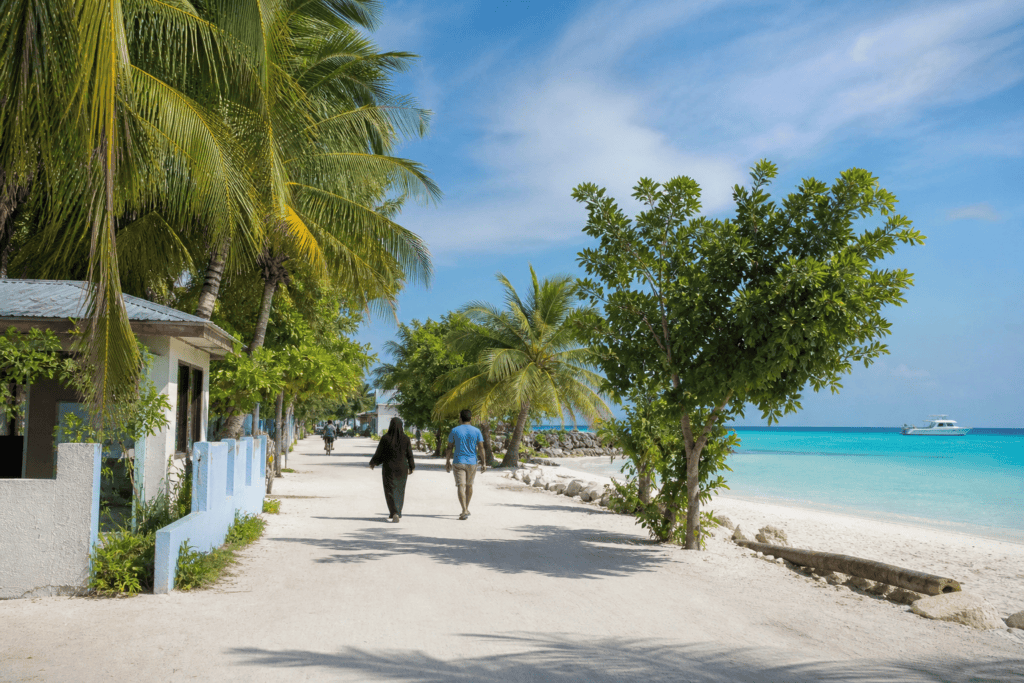
If you have already accepted a package or believe you have been targeted by a scam, do not attempt to hide, destroy, mail, or transport it. Contact local authorities or your accommodation management for advice. If there is an immediate threat, seek help from the police or emergency services. Travellers may also contact their embassy or consular service, although consular staff cannot cancel local proceedings or guarantee release.
Do not post the seller’s phone number or location publicly as a way of warning others. That can spread personal information, worsen a dispute, or interfere with an official investigation. Share relevant details privately with the appropriate authority instead.
Medical cannabis in Dhangethi: what patients should know
Some people search for medical cannabis in Dhangethi because they use cannabis-based medicine at home. A prescription or medical authorization from another country should not be assumed to permit importation or possession in the Maldives. The same caution applies to cannabis oil, THC products, dried flower, capsules, gummies, and vaping liquids.
Before travelling, check the medicine’s ingredients and ask the relevant Maldivian authority whether written approval is required. Keep prescribed medicines in their original packaging, carry a copy of the prescription and a doctor’s letter, and do not pack any controlled medicine until you have confirmed that it is permitted. Do not substitute a local seller for a qualified clinician or pharmacist.
If you need treatment while in Dhangethi, contact a licensed healthcare provider and explain your symptoms, current medicines, allergies, and medical history. A clinician can assess whether an approved treatment is available locally or whether you need referral or transfer for further care. Be especially cautious with products advertised as CBD, hemp, herbal, or “natural,” because labels may be incomplete and the legal position may depend on the ingredients.
Safer legal options for visitors
If your goal is relaxation, sleep, pain relief, or stress management, there are lawful ways to address those needs without buying an unregulated drug. Speak with a healthcare professional for persistent pain, insomnia, anxiety, or other symptoms rather than self-medicating with an unknown product.
- Ask your accommodation about reputable wellness services, such as massage or approved spa treatments.
- Use ordinary relaxation activities, including swimming, walking, breathing exercises, or quiet time away from intense sun and heat.
- Purchase only clearly labelled, lawful health products from established pharmacies or healthcare providers.
- For ongoing medical symptoms, arrange a consultation instead of relying on advice from a seller or another traveller.
- Check the ingredients of supplements and imported products before taking them.
These options are not substitutes for medical care. Severe pain, breathing difficulty, confusion, allergic reactions, suspected poisoning, or a mental-health emergency requires prompt professional help.
Common misconceptions about cannabis in Dhangethi
“Tourists can buy a little without consequences”
Tourist status does not create a general exemption from local drug laws. Visitors can still be questioned, searched, detained, prosecuted, or prevented from continuing their journey.
“A hotel or boat staff member recommended it, so it must be safe”
A recommendation does not prove that a product is legal, genuine, or medically safe. Staff members, intermediaries, and online contacts may also be acting outside their authority or attempting to scam visitors.
“CBD is always legal”
CBD products can contain THC or other controlled ingredients, and rules vary by country. A product that is permitted at home may not be permitted in the Maldives. Check before packing or purchasing any cannabis-derived product.
“Edibles and vape cartridges are less risky than flower”
The form of a product does not determine whether possession is lawful. Edibles, oils, cartridges, and concentrates can be difficult to identify and may contain undisclosed substances or concentrations.
Practical travel advice for Dhangethi
Keep your travel plans simple and avoid carrying unfamiliar packages for another person. Do not agree to transport luggage, medicine, parcels, or sealed envelopes unless you know exactly what they contain and are legally entitled to carry them. This is particularly important when travelling by domestic flight, speedboat, or transfer vessel.
Store your own medication securely and retain its documentation. If you are staying in a guesthouse, ask management for reliable information about local healthcare facilities and emergency contacts. Respect local customs, avoid public intoxication, and remember that alcohol availability and use may also be restricted outside designated resort settings.
Before arrival, save contact details for your embassy or consulate, your accommodation, your insurer, and a healthcare provider. Travel insurance may exclude incidents involving illegal drugs, so read the policy rather than assuming medical or legal costs will be covered.
What is the direct answer?
If you are asking where to purchase weed in Dhangethi, there is no lawful, regulated place that visitors should use as a cannabis shop. Do not buy from street sellers, online contacts, intermediaries, boats, guesthouse referrals, or anyone claiming that cannabis is safe because it is common elsewhere.
The responsible choice is to avoid the transaction, verify any medical requirements before travelling, and seek licensed healthcare advice for legitimate treatment needs. Checking official information before arrival is far safer than relying on rumours after you reach the island.
Conclusion
Dhangethi does not offer a dependable legal cannabis purchasing option for recreational users. Attempts to obtain cannabis in Dhangethi can involve legal, financial, health, and personal-safety risks, especially when the product comes from an unregulated source. Visitors should refuse offers, avoid transporting unfamiliar items, and obtain professional advice for medical concerns. Responsible planning and official guidance are the best ways to protect your health and your trip in the Maldives.

The Ziklane Editorial Team is dedicated to providing accurate, well-researched, and up-to-date information on cannabis laws and regulations around the world. Our content is created through careful research of publicly available legal sources, government publications, and reputable references to help readers better understand local cannabis legislation. We are committed to delivering educational, factual, and regularly updated content while encouraging readers to comply with the laws of their respective countries and regions.