
Searching for weed vendors in Lima, Peru can expose you to legal, financial, and personal-safety risks. Unlicensed sellers may offer products with unknown ingredients, inaccurate potency, contamination, or no reliable way to resolve a dispute. This guide does not provide names, locations, social-media accounts, or instructions for buying cannabis illegally. Instead, it explains how to research weed in Lima responsibly, identify lawful medical channels, and avoid common scams.
Peru’s cannabis framework distinguishes between regulated medical use and unauthorized possession, supply, or sale. Rules and enforcement can change, and the details may depend on the product, quantity, purpose, and current regulations. Before making a decision, consult official Peruvian sources and a qualified local professional rather than relying on anonymous posts or vendor claims.
What to know before searching for cannabis in Lima
The first step is to define what you actually need. Some people use “weed” to describe recreational cannabis, while others are looking for prescribed products for a health condition. These are not the same situation. A medical question should begin with a healthcare professional, while a recreational purchase from an informal seller can create legal and health concerns.
When researching cannabis in Lima, separate three questions:
- Is the product lawful for the intended use?
- Can the source demonstrate authorization and product traceability?
- Can you verify what the product contains and how it should be used?
If a seller avoids these questions, promises guaranteed effects, or pressures you to pay immediately, treat that as a warning sign. Attractive prices and polished branding do not prove that a vendor is legitimate.
Understanding cannabis laws in Lima
Local cannabis rules are part of Peru’s national legal and regulatory system. The safest approach is to verify current information through government institutions rather than assuming that practices in another country, or even another city, apply in Lima. A website, chat group, or foreign cannabis guide may describe rules that have no legal effect in Peru.
For current public-health and regulatory information, consult the Peruvian Ministry of Health and review official material from the General Directorate of Medicines, Supplies and Drugs. These institutions are more appropriate starting points than anonymous vendor directories or promotional pages.
Questions worth checking include whether a product is registered, whether a business is authorized to sell it, whether a prescription or other medical documentation is required, and what restrictions apply to possession, transport, importation, and consumption. If the official wording is unclear, ask a Peruvian attorney or licensed healthcare professional for an explanation.
How to find weed vendors in Lima, Peru without relying on illicit listings
There may be no reliable public directory of lawful cannabis sellers that covers every product and neighborhood. Rather than looking for an unverified vendor list, use a verification process that starts with legitimate institutions.
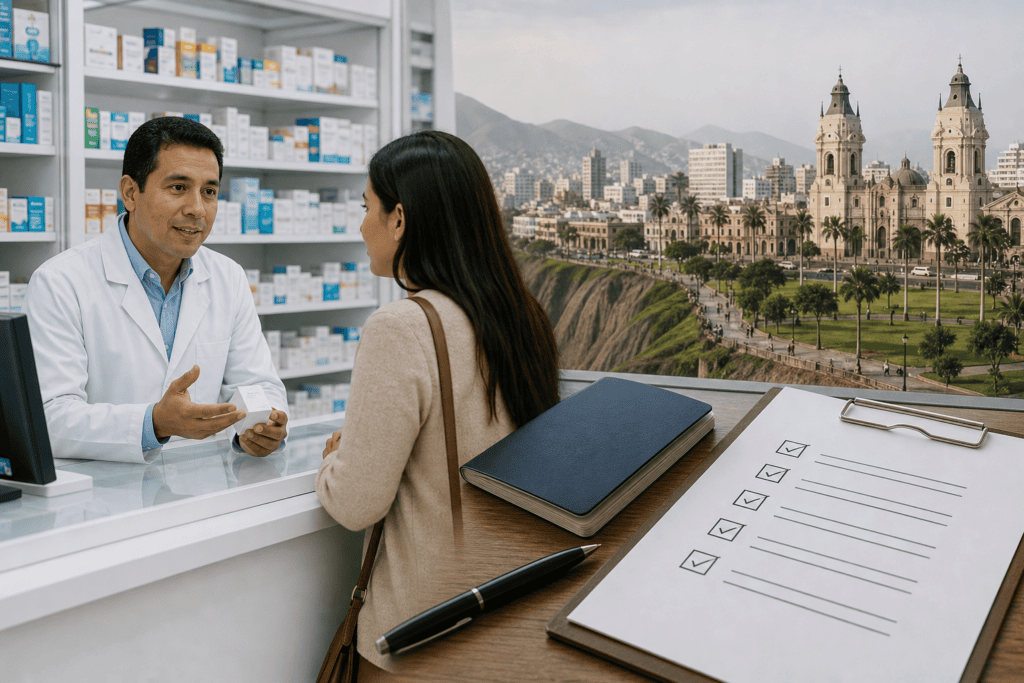
1. Start with a licensed healthcare professional
If your interest is medical, arrange an appointment with a physician who can assess your symptoms, existing medicines, and possible risks. Cannabis is not appropriate for everyone, and a clinician can discuss alternatives, interactions, dosage considerations, and follow-up care. Avoid anyone who diagnoses you solely through a chat message or guarantees that cannabis will cure a serious condition.
Ask the clinician what type of product, if any, is suitable and how to obtain it through a lawful channel. Keep medical records and prescriptions organized, especially if you need to explain the product during travel or a pharmacy consultation.
2. Verify the business before paying
A legitimate business should be willing to provide its registered business identity, physical contact details, product information, and evidence of authorization where applicable. Check whether the business details match across its website, invoices, packaging, and official records. A name on a social-media profile is not enough.
Be cautious if the seller:
- Offers delivery with no documentation or refuses to identify the business.
- Accepts only irreversible payment methods or asks for unusual deposits.
- Uses urgent language such as “pay now before the account disappears.”
- Claims that every product is legal without explaining the relevant authorization.
- Cannot provide a batch number, ingredients, recommended use, or expiry information.
- Offers products described as “stronger than anything in pharmacies” without laboratory evidence.
3. Check the product, not just the seller
Packaging should be clear, intact, and consistent with the product description. Look for ingredients, concentration or strength, batch information, expiry details, storage instructions, and the name of the responsible manufacturer or distributor. Missing or contradictory information is a reason to stop.
Do not assume that a flower, oil, edible, vape cartridge, or capsule is safe because it looks professional. Illicit products can be repackaged, diluted, mislabeled, or contaminated. Products that have been mixed with alcohol, sedatives, stimulants, or unknown chemicals carry additional risks.
Why informal weed vendors in Lima can be risky
Anonymous marketplaces and private messaging groups may appear convenient, but they remove many safeguards. You may not know the source of the product, whether it was stored correctly, or whether the advertised strength is accurate. You also have limited protection if the product causes harm or the seller takes payment and disappears.
Meeting an unknown person in a secluded location creates personal-safety concerns beyond the substance itself. A seller may change the meeting place, bring other people, or use the interaction to obtain personal information. Do not share copies of identity documents, banking credentials, home-access details, or sensitive medical information with an unverified contact.
Even when a seller claims to operate openly, visibility is not proof of legality. Photos of products, customer reviews, follower counts, and encrypted chats can all be fabricated. Treat testimonials and “verified” badges as marketing unless they can be supported by an independent, official source.
Safer questions to ask about medical cannabis in Lima
For people exploring medical cannabis in Lima, a productive consultation should focus on health and documentation rather than finding the strongest product. Consider asking:
- What condition is being treated, and what evidence supports this option?
- Could cannabis interact with my current medicines or worsen an existing condition?
- What product form and starting amount are appropriate?
- How long should I try it before reviewing the results?
- What side effects require stopping the product or seeking urgent care?
- How should the product be stored and kept away from children or pets?
- What documentation should I keep with the product?
Do not drive, operate machinery, or perform safety-sensitive work if you feel impaired. Avoid combining cannabis with alcohol or other substances unless a qualified professional has specifically addressed the risks. Keep all cannabis products in their original packaging and out of reach of children.
How to spot scams when researching weed in Lima
Scams often use the language of convenience: guaranteed delivery, no questions asked, limited-time discounts, or a “private club” that supposedly bypasses all regulations. These claims should make you more cautious, not less. A lawful service should not need to hide its business identity or pressure you into secrecy.
Before sending money, independently confirm the business name and contact details. Do not rely on a phone number supplied only through a disappearing-message account. Search for consistent information, ask for a formal receipt, and stop if the seller becomes aggressive when you request basic documentation.
Never purchase a product simply because a stranger says it is “medical grade.” That term has meaning only when supported by appropriate manufacturing, labeling, registration, and professional oversight. If you suspect fraud, preserve messages and payment records and consider reporting the incident to the relevant Peruvian authorities.
What visitors should know about cannabis in Lima
Visitors should not assume that a prescription or legal purchase from another country automatically permits possession or use in Peru. Border controls, airline rules, import restrictions, and local regulations may apply separately. Carrying cannabis across an international border can create serious legal consequences, even when the product was obtained lawfully at home.
Do not ask hotel staff, taxi drivers, tour guides, or strangers to arrange an illegal purchase. This can expose both you and the other person to unnecessary risk. If you use prescribed medication, bring only what is permitted, keep it in original packaging, and confirm the requirements with the relevant authorities or your carrier before traveling.
A practical decision checklist
Use this checklist before considering any cannabis product in Lima:
- Identify whether your purpose is medical or non-medical.
- Review current official information about cannabis laws in Lima and Peru.
- Speak with a qualified healthcare professional if the purpose is medical.
- Use only a channel that can demonstrate appropriate authorization.
- Confirm product labeling, ingredients, strength, batch details, and expiry information.
- Avoid anonymous sellers, cash-pressure tactics, and secret meeting locations.
- Do not transport products across borders without verified legal permission.
- Keep documentation and follow professional advice about storage and use.
Conclusion
Finding weed vendors in Lima, Peru should not mean relying on anonymous dealers, social-media advertisements, or unverified delivery services. The safer approach is to understand the current rules, use official information, consult a qualified professional for medical needs, and verify the identity and authorization of any legitimate provider.
If a source cannot explain what it is selling, where it came from, and why the transaction is lawful, walk away. Taking more time to verify a product and its supplier is preferable to risking your health, money, personal safety, or legal status.

The Ziklane Editorial Team is dedicated to providing accurate, well-researched, and up-to-date information on cannabis laws and regulations around the world. Our content is created through careful research of publicly available legal sources, government publications, and reputable references to help readers better understand local cannabis legislation. We are committed to delivering educational, factual, and regularly updated content while encouraging readers to comply with the laws of their respective countries and regions.