
Looking for weed in Daiya requires more than comparing prices or choosing the strongest product. Cannabis rules can differ significantly between countries, regions, and municipalities, and the legal status of a product may depend on factors such as age, medical authorization, possession limits, and the type of retailer selling it. Before making any purchase, confirm which jurisdiction Daiya belongs to and check its current rules through an official government source.
This guide focuses on responsible, lawful decision-making. It does not recommend buying cannabis from unlicensed sellers or explain how to bypass local restrictions. If recreational cannabis is not legal where you are, do not purchase it. If medical use is permitted, follow the authorization and dispensing requirements that apply to you.
Understand the cannabis laws in Daiya first
The most important recommendation is to establish whether cannabis can legally be purchased in Daiya at all. Local rules may distinguish between recreational and medical cannabis, and a product that is permitted in one area may be prohibited in another. Rules can also cover cultivation, possession, consumption, advertising, delivery, and transportation.
Do not rely solely on search results, social media posts, messaging groups, or advice from a seller. Look for a current government website, public-health agency, or official legal notice for the relevant country and local authority. If the name Daiya refers to a neighborhood, village, or destination outside your home jurisdiction, check the laws where the transaction will actually take place.
For general health information about cannabis effects and risks, consult the U.S. Centers for Disease Control and Prevention cannabis information and the World Health Organization cannabis fact sheet. These sources do not replace local legal advice, but they can help you make more informed health decisions.
Questions to answer before shopping
- Is adult-use cannabis legal in the relevant jurisdiction?
- Is medical cannabis available only to registered patients or authorized users?
- What minimum age, identification, or documentation is required?
- Are there limits on possession, purchase amounts, or product potency?
- Where is consumption allowed, and what transport rules apply?
- Are online orders, delivery, or cross-border transport restricted?
Choose a lawful source for weed in Daiya
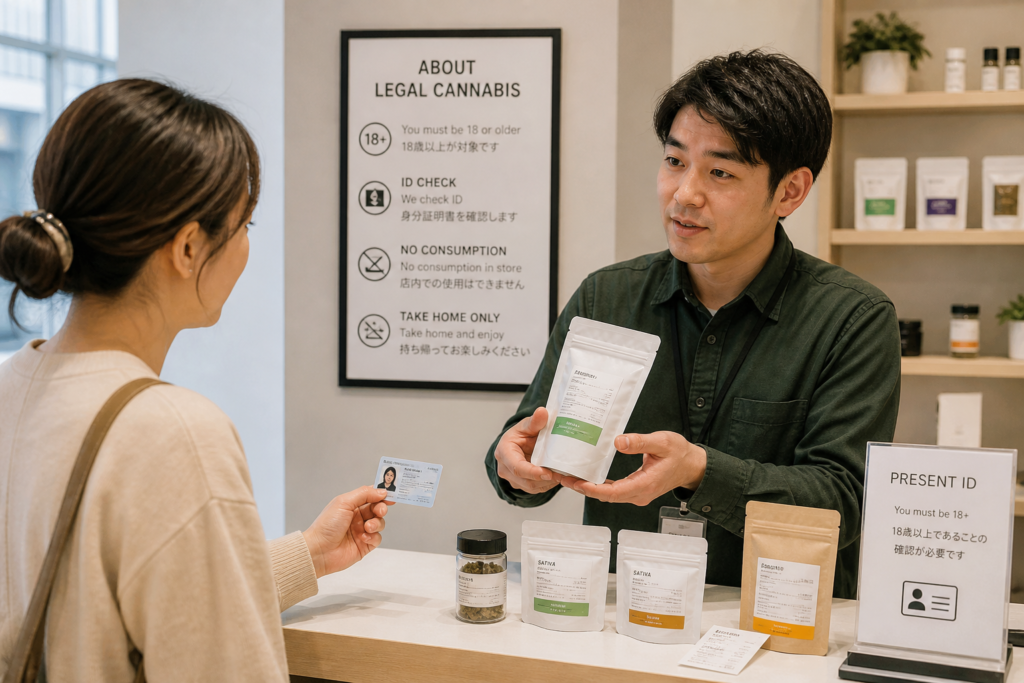
If cannabis sales are legal in the area, use a retailer or pharmacy that is licensed by the relevant authority. A lawful business should be able to explain its licensing status, provide a receipt, and sell products in compliant packaging. Medical patients should use the dispensing channel recognized by their healthcare or regulatory system.
Avoid sellers who insist on cash-only transactions, refuse to provide basic product information, make unusually strong medical claims, or pressure you to buy quickly. Unlicensed products may have inaccurate labels, unknown ingredients, poor storage conditions, or contamination risks. They may also expose you to legal problems even if the product appears similar to something sold through a regulated channel.
Do not attempt to bring cannabis across a border, onto a plane, or into a jurisdiction where it is prohibited. Legal permission in one place does not automatically transfer to another. When in doubt, leave the product behind and seek advice from the relevant authority.
Check the product before purchasing
Once you have confirmed that a sale is lawful, review the label carefully. A responsible retailer should provide enough information for you to understand what you are buying and how it should be stored. If the package is damaged, open, leaking, missing a label, or past its stated date, choose another product.
Information worth checking
- Product type: Identify whether it is flower, a vaporizer, an edible, an oil, a capsule, or another preparation.
- Cannabinoid content: Check the stated THC and CBD amounts, including whether the figures apply to the whole package or each serving.
- Serving guidance: Edibles and other ingestible products should state a serving size and provide clear instructions.
- Batch or lot information: This supports traceability if a safety issue or recall occurs.
- Testing or quality information: Where required by local rules, look for evidence that the product passed the relevant testing process.
- Ingredients and allergens: This is especially important for edibles, drinks, capsules, and topical products.
- Expiration or packaging date: Do not assume that older products are necessarily unsafe, but ask the retailer how they were stored and follow the label.
Be cautious with claims such as “cures anxiety,” “treats cancer,” or “has no side effects.” Cannabis products should not be treated as a substitute for professional medical care. A product’s appearance, smell, or high THC percentage cannot prove that it is safe or suitable for you.
Buy according to your needs, not the strongest label
High potency is not automatically better value or a better experience. People respond differently to cannabis, and those with limited experience may find strong products uncomfortable or difficult to manage. When legal and appropriate, consider a clearly labeled product with predictable serving information rather than choosing solely by THC content.
Edibles deserve particular caution because effects may take longer to appear than inhaled products. Taking more before the first serving has had time to work can lead to an unexpectedly intense experience. Follow the package instructions and avoid combining cannabis with alcohol or other intoxicating substances.
Anyone who is pregnant or breastfeeding, has a history of problematic substance use, or takes prescription medication should speak with a qualified healthcare professional before using cannabis. Extra care is also appropriate for people with certain mental-health, heart, or respiratory conditions. A pharmacist or clinician can help identify possible interactions and explain whether medical cannabis in Daiya is legally and clinically appropriate.
Ask a licensed retailer useful questions
A good retail interaction should feel informative rather than pressured. You can ask how the product is intended to be used, whether the package contains multiple servings, how it should be stored, and what the label’s potency figures mean. If you are using cannabis for a medical reason, ask whether the retailer can direct you to a qualified healthcare professional rather than offering an unsupported diagnosis.
Do not provide more personal information than the law requires. For online purchases, confirm that the website belongs to a licensed business, uses a secure payment process where applicable, and clearly explains delivery restrictions. Be wary of websites that promise guaranteed effects, sell products without labels, or use copied reviews as their main evidence of quality.
Plan for safe transport, storage, and use
Before leaving the retailer, understand the local rules for carrying cannabis. Keep products in their original packaging, retain the receipt when practical, and do not drive or operate machinery after using cannabis. Never give cannabis to another person if the transfer is prohibited, and keep products away from children and pets.
Store cannabis in a secure place that is cool, dry, and inaccessible to unauthorized people. Edibles should remain in their original child-resistant packaging and should never be stored alongside ordinary snacks. If a product causes severe or unusual symptoms, seek urgent medical help and keep the packaging available so healthcare workers can identify what was taken.
Warning signs of an unsafe purchase
Whether you are researching cannabis in Daiya for adult use or considering a medical product, walk away when the transaction feels secretive or pressured. The following warning signs suggest that a source may be unsafe or unlawful:
- The seller cannot show licensing or provide a compliant label.
- The product is offered in an ordinary plastic bag or an unmarked container.
- The seller guarantees a medical cure or claims the product is completely risk-free.
- The price is dramatically lower than comparable regulated products without a clear reason.
- The package lacks ingredients, potency, batch details, or safety instructions.
- The seller encourages you to hide the purchase or transport it across a border.
- The website asks for unnecessary identity documents or payment through suspicious channels.
These signs do not prove what is inside a product, but they are strong reasons not to proceed. Protecting your health and legal position is more important than finding the cheapest option.
A simple checklist for a legal cannabis purchase in Daiya
- Confirm the exact jurisdiction and current cannabis laws.
- Verify that you meet the age or medical eligibility requirements.
- Choose a licensed retailer or authorized medical dispensing channel.
- Review the label, ingredients, potency, serving information, and batch details.
- Ask about storage, use, and any restrictions that apply after purchase.
- Buy only an amount you can store securely and use responsibly.
- Keep the receipt and original packaging.
- Do not drive, travel across borders, or share the product when prohibited.
Conclusion
The best recommendations for buying weed in Daiya begin with legality, not product strength or price. Verify the rules for the exact location, use a licensed source, inspect the packaging, and seek professional advice when cannabis is intended for medical purposes. If no legal retail channel exists, do not use informal sellers as a substitute. A cautious approach helps reduce legal, health, and financial risks while giving you better information about anything you choose to consume.

The Ziklane Editorial Team is dedicated to providing accurate, well-researched, and up-to-date information on cannabis laws and regulations around the world. Our content is created through careful research of publicly available legal sources, government publications, and reputable references to help readers better understand local cannabis legislation. We are committed to delivering educational, factual, and regularly updated content while encouraging readers to comply with the laws of their respective countries and regions.