
This weed buying guide Salmiya is designed to answer a practical question without directing readers to illegal sellers: what should someone know before looking for cannabis in Salmiya, Kuwait? The most important point is that recreational cannabis is not a legal retail product in Kuwait. Buying, possessing, carrying, importing, or sharing cannabis can expose a person to serious legal and personal risks.
Because laws and enforcement policies can change, readers should confirm current requirements through official Kuwaiti authorities before making any decision. This guide covers how to assess risk, avoid scams and contaminated products, understand why medical claims require caution, and find lawful alternatives when the underlying need is pain relief, sleep, anxiety support, or stress management.
Weed buying guide Salmiya: start with the law
There is no ordinary licensed dispensary market for recreational cannabis in Salmiya. A shop, social-media account, messaging contact, or delivery service that claims to sell “safe,” “premium,” or “imported” weed should not be treated as a regulated retailer. A polished logo, laboratory-looking certificate, or customer review does not establish that a product is legal or medically tested.
For current government information, consult the official Kuwait Ministry of Interior website rather than relying on anonymous posts or informal advice. If you are carrying medication, supplements, or plant-based products across a border, check the relevant rules before travel and keep original packaging and medical documentation where applicable.
People often search for cannabis laws in Salmiya as though municipal rules might differ from national law. Salmiya is governed within Kuwait’s national legal framework, so a product being available in one neighborhood or advertised online does not make it lawful. Nor does a seller’s claim that a product contains only a small amount change the need for official verification.
Why informal weed in Salmiya carries extra risk
Unregulated cannabis has no dependable chain of custody. The buyer may not know the actual plant variety, potency, age, storage conditions, or additives. Products sold as cannabis can also be something else entirely, including synthetic cannabinoids or plant material treated with unknown chemicals. The appearance and smell of a product cannot establish its identity or safety.
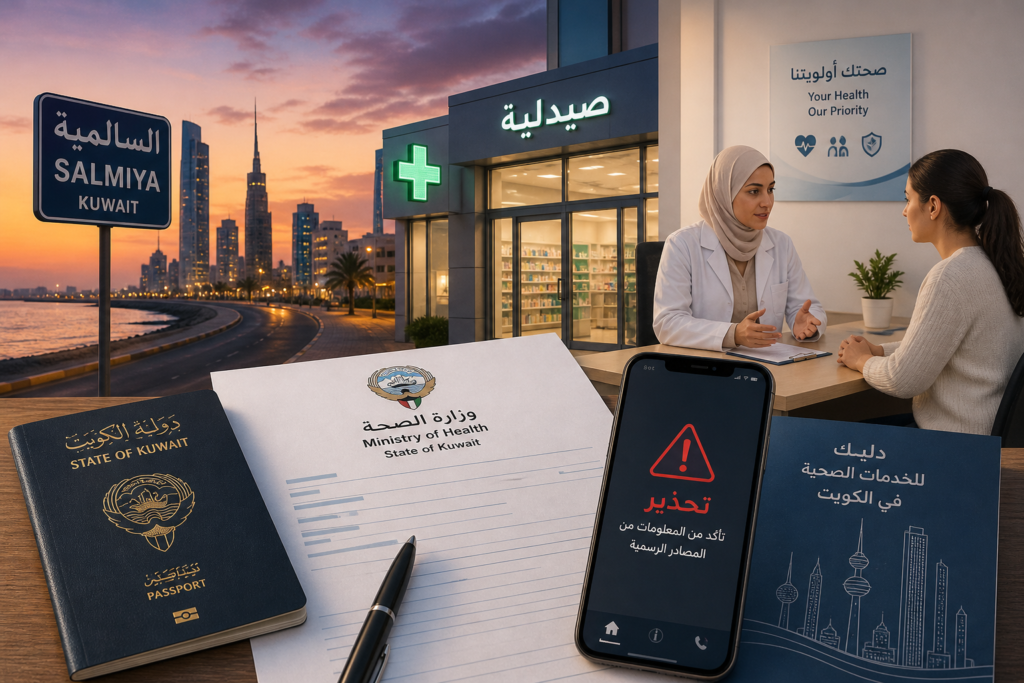
Common risks associated with unregulated products
- Unknown strength: A strong product can cause panic, confusion, impaired judgment, vomiting, or extreme drowsiness, especially for an inexperienced user.
- Contamination: Mold, pesticides, heavy metals, solvents, and other residues may be present when there is no reliable testing.
- Unexpected ingredients: Edibles, oils, and vaping liquids may contain different cannabinoids or synthetic substances than advertised.
- Medication interactions: Cannabis compounds may affect how some prescription medicines work or worsen existing health conditions.
- Legal exposure: Possession, delivery, or messages arranging a purchase can create consequences beyond the product itself.
- Personal security: Informal sellers may use payment fraud, extortion, theft, or threats after making contact.
These risks apply whether the search is for cannabis in Salmiya, a delivery service, or a product described as “herbal.” A label is not the same as independent quality control.
How to recognize scams and misleading claims
When people search for a buying recommendation, scammers often exploit urgency and privacy concerns. They may demand full payment before delivery, insist on cryptocurrency or gift cards, send fake tracking information, or advertise a product as “undetectable.” They may also request identity documents, compromising photographs, or access to a social-media account.
Do not share passport details, civil identification images, banking passwords, one-time authentication codes, or private photographs with an unverified contact. Avoid meeting unknown sellers in isolated locations. If a person threatens you over a payment or claims to have recorded your conversation, preserve the messages and seek help from the relevant authorities rather than sending more money.
Medical-sounding language is another warning sign. Claims such as “cures cancer,” “works for every condition,” “has no side effects,” or “guaranteed anxiety treatment” are not credible substitutes for a diagnosis and professional care. The World Health Organization’s cannabis information explains that cannabis can affect health and cognition and should not be treated as risk-free simply because it is plant-derived.
Medical cannabis in Salmiya: what to do instead
Someone searching for medical cannabis in Salmiya may be trying to manage a genuine health problem. The safer route is to describe the symptoms to a licensed doctor in Kuwait and ask about approved treatments. Be open about any cannabis use or products already taken, including oils, gummies, vapes, or unknown substances. Accurate information helps a clinician assess interactions and urgent risks.
Do not assume that a product sold in another country is legal to import into Kuwait. Rules may apply to cannabis, cannabidiol, hemp extracts, medicines containing controlled ingredients, and even products marketed as supplements. Before travelling with any medicine, ask the prescribing clinician and the relevant Kuwaiti authority for current requirements. Keep the product in its original pharmacy packaging and carry supporting documentation if an authority requires it.
Match the underlying need to a lawful care pathway
- Pain: Arrange a medical assessment to identify the cause and discuss approved pain medicines, physiotherapy, rehabilitation, or other evidence-based options.
- Insomnia: Ask about sleep habits, shift work, stress, breathing problems, and treatments such as structured behavioral therapy for insomnia.
- Anxiety: A primary-care doctor or mental-health professional can assess anxiety, depression, trauma, medication effects, and other causes.
- Muscle or nerve symptoms: A clinician can determine whether evaluation, physiotherapy, or specialist treatment is appropriate.
- Substance concerns: Seek confidential medical or counseling support rather than trying to manage withdrawal or cravings alone.
Legal alternatives for people considering cannabis
There is no universal substitute for cannabis, because the reason for considering it matters. A pharmacist or doctor can help identify lawful options available in Kuwait and explain side effects, dosing, and interactions. Do not replace prescribed treatment with an internet supplement without professional advice.
For stress or mild sleep problems, practical steps can include keeping a consistent sleep schedule, reducing late caffeine, limiting screens before bed, using relaxation exercises, and addressing noise or light in the bedroom. For persistent symptoms, these measures should complement—not replace—professional evaluation.
Be especially cautious with products labeled CBD, hemp extract, or “THC-free.” Product names and international marketing do not guarantee that the contents comply with Kuwaiti law. Before buying or importing any such product, obtain current official guidance. A product legal in one country may be restricted in another, and laboratory claims made by an overseas seller may be difficult to verify.
What to do if someone has already used cannabis
If a person becomes severely confused, collapses, has trouble breathing, experiences a seizure, develops chest pain, or cannot be awakened, treat it as an emergency and contact local emergency services immediately. Do not leave the person alone, make them drive, or give them alcohol or additional substances. If they are unconscious but breathing, place them on their side while waiting for help and follow emergency-dispatch instructions.
For less severe symptoms such as anxiety, dizziness, nausea, or a racing heartbeat, move the person to a calm, safe environment and stay with them. Do not rely on internet advice to identify an unknown product. Tell medical staff what was taken, when it was taken, and whether other medicines or substances were involved. Honest information helps clinicians provide safer care.
A responsible checklist for Salmiya readers
- Check the current legal position through official Kuwaiti sources before considering any cannabis-related product.
- Do not use anonymous seller reviews, social-media advertising, or delivery claims as proof of legality or quality.
- Never share sensitive identification, banking information, passwords, or intimate images with a seller.
- Ask a licensed doctor or pharmacist about the health issue that prompted the search.
- Verify travel and import requirements for any medicine, supplement, CBD product, or hemp-derived item.
- Seek urgent medical help for severe reactions, breathing problems, seizures, chest pain, or unconsciousness.
Conclusion
A useful guide to weed buying guide Salmiya should not recommend an unlicensed seller or imply that informal cannabis is safe. In Kuwait, the legal and health risks make anonymous purchases a poor choice, while unregulated products may contain unexpected substances or contaminants. The safer approach is to verify current rules, avoid sharing personal information with sellers, consult a licensed healthcare professional about the underlying problem, and seek emergency help when symptoms are severe.
Whether the search is for weed in Salmiya, cannabis for a medical condition, or a product advertised as CBD, official verification matters more than marketing language. A lawful care plan may take more time than an informal purchase, but it provides a much better chance of protecting health, privacy, and future options.

The Ziklane Editorial Team is dedicated to providing accurate, well-researched, and up-to-date information on cannabis laws and regulations around the world. Our content is created through careful research of publicly available legal sources, government publications, and reputable references to help readers better understand local cannabis legislation. We are committed to delivering educational, factual, and regularly updated content while encouraging readers to comply with the laws of their respective countries and regions.