
If you are searching for a weed buying guide and recommendations in Ariel, the most important starting point is legality and safety—not an informal seller, social-media advertisement, or unverified delivery service. In Israel, cannabis access depends on the product, the buyer’s eligibility, and the current rules governing medical cannabis. Local availability in Ariel can also change, so information found in an old post or group chat may no longer be reliable.
This guide explains how to approach cannabis responsibly in Ariel, with an emphasis on authorized medical access, product verification, health considerations, and practical questions to ask before making a purchase. It does not recommend illegal buying or provide methods for bypassing licensing, age, identification, or prescription requirements.
Weed Buying Guide and Recommendations in Ariel: Start With the Legal Route
For most consumers, the first question should be whether they have a lawful basis to obtain cannabis. Israel’s cannabis framework is not the same as a recreational dispensary system found in some other countries. Medical cannabis may be available to eligible patients through an approved process, while unauthorized possession, sale, delivery, or distribution can create serious legal and health risks.
Before spending money, check the current requirements with the Israeli Ministry of Health Cannabis Unit. Confirm whether you need a physician’s recommendation, a patient permit, a prescription, or another form of authorization. Requirements and procedures can change, and Ariel’s location means you should also confirm which local and regional rules apply to your situation.
What lawful access usually means
- Using an authorized medical pathway when you meet the relevant eligibility requirements.
- Obtaining products from a licensed pharmacy or another officially permitted channel.
- Showing the required identification, prescription, permit, or patient documentation.
- Following the product, dosage, possession, and transport conditions attached to your authorization.
- Keeping receipts, packaging, and dispensing information in case you need to verify the product later.
Searches for weed in Ariel often lead to informal listings that do not clearly state their licensing status. Treat claims such as “no prescription needed,” “guaranteed delivery,” or “premium medical stock” as warning signs unless they can be verified through an official source.
How to Evaluate Cannabis in Ariel Without Guesswork
A responsible choice starts with traceability. A legitimate product should come in sealed, labeled packaging that identifies the manufacturer or supplier, batch information, cannabinoid content, instructions, and an expiration or relevant date. If packaging is missing, damaged, handwritten, or inconsistent with the information provided at the point of sale, do not use the product until a licensed professional has confirmed it.
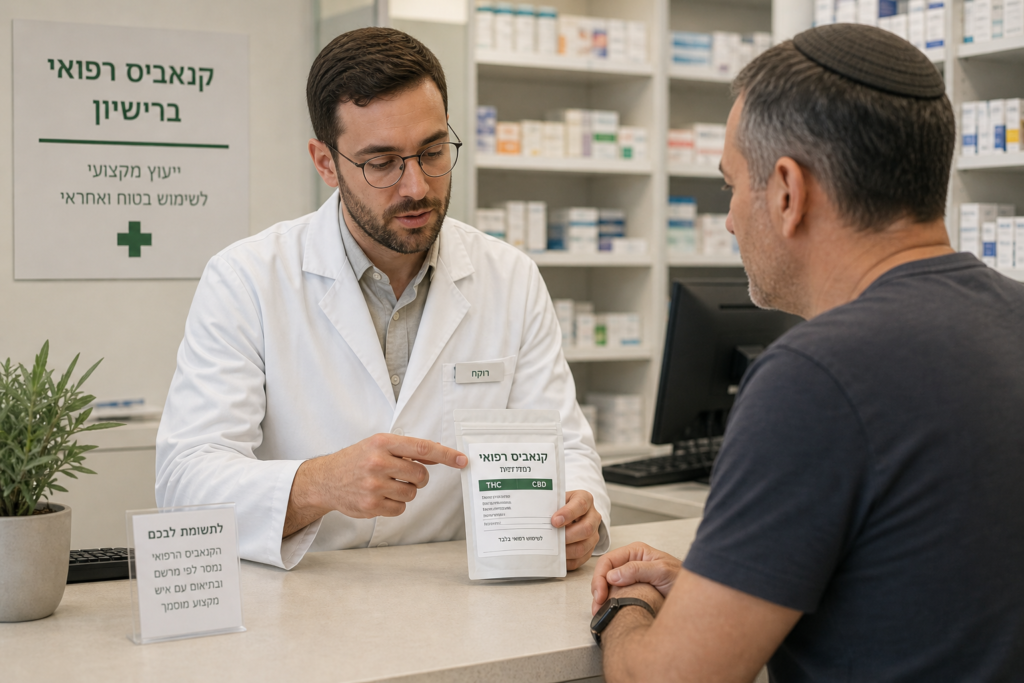
Check the product details
- Product type: Confirm whether it is dried flower, oil, capsules, or another formulation and whether that form is suitable for your authorization.
- THC and CBD information: Look for clearly stated cannabinoid content rather than relying on a seller’s description.
- Batch and expiry details: These help connect the product to quality-control records and reduce the risk of counterfeit or outdated stock.
- Storage instructions: Heat, light, moisture, and improper sealing can affect some products.
- Directions: Use the instructions from the prescribing clinician, pharmacist, and official label rather than advice from an anonymous online account.
“Strongest” does not mean “best.” A higher THC concentration can increase unwanted effects such as anxiety, dizziness, impaired concentration, or confusion, especially for a person with little experience or a relevant medical vulnerability. A pharmacist or clinician can help match the formulation and strength to the intended medical goal.
Medical Cannabis in Ariel: Questions to Ask a Professional
People researching medical cannabis in Ariel should prepare questions before speaking with a physician or pharmacist. A professional can consider existing conditions, current medication, previous cannabis use, age, pregnancy or breastfeeding status, and any history of mental-health or cardiovascular problems.
Useful questions for a consultation
- What symptom or condition is the treatment intended to address?
- Which formulation is most appropriate for my situation?
- What starting amount and schedule should I follow?
- How long should I try the treatment before reviewing its benefits?
- What side effects should prompt a call to a clinician?
- Could cannabis interact with my current prescription or over-the-counter medicines?
- What should I do if the product is unavailable at my usual pharmacy?
- How should I store the product and keep it away from children, visitors, and pets?
Do not change the amount, combine products, or switch from one formulation to another solely because an online reviewer recommends it. Keep a simple record of the product, time used, amount, effects, and unwanted symptoms. This information can make a follow-up consultation more useful.
Cannabis Laws in Ariel: Practical Compliance Checks
Information about cannabis laws in Ariel should be checked close to the time of purchase or collection. Rules may apply differently to purchase, possession, use, transport, cultivation, sharing, and driving. Authorization for medical use does not automatically make every activity legal, and it does not necessarily permit sharing a product with another person.
Before traveling with cannabis, confirm the conditions attached to your permit and the rules that apply along your route. Keep the product in its original labeled packaging, carry the required documentation, and avoid placing it in a container that could be mistaken for an unverified substance. Never drive or operate machinery while impaired. If you are crossing a border or entering a location with separate rules, obtain current official advice first rather than assuming your Israeli authorization will be recognized.
For general health information about cannabis effects and risks, consult the World Health Organization’s cannabis information. Legal status and medical eligibility should still be confirmed through the relevant Israeli authorities and healthcare professionals.
Red Flags When Comparing Cannabis Sellers
Informal sellers may use professional-looking websites, product photographs, and medical language without providing meaningful proof of authorization. A polished presentation is not evidence of quality. Be especially cautious if a seller:
- Refuses to identify the licensed business, pharmacy, manufacturer, or responsible professional.
- Offers products without sealed packaging, a batch number, or clear cannabinoid information.
- Promises a medical benefit or cure without discussing diagnosis, risks, or clinical supervision.
- Pressures you to pay immediately through an unusual payment method.
- Claims to sell any product to anyone regardless of age, permit, prescription, or identification.
- Uses testimonials instead of verifiable product information and professional guidance.
- Offers loose flower, homemade extracts, edible products, or concentrates with no reliable testing information.
These signs do not prove that a product is contaminated or illegal, but they are enough reason to stop and use an authorized channel instead. Unregulated cannabis may have inaccurate potency, contamination, unknown additives, or a different substance than advertised.
Choosing a Product Format Responsibly
Different formats create different practical considerations. Dried flower may act relatively quickly when inhaled, but inhalation can irritate the airways and makes dosing less predictable for some people. Oils, capsules, and other oral products may take longer to have an effect and can last longer, which makes taking an additional amount too soon a common mistake.
Follow the label and your clinician’s instructions. Do not mix cannabis with alcohol or other intoxicating substances. Avoid using it before driving, work that requires concentration, or activities where impaired judgment could cause injury. Store it securely, clearly labeled, and inaccessible to children and anyone who is not authorized to use it.
When to seek medical help
Stop using the product and seek prompt medical advice for severe confusion, fainting, chest pain, difficulty breathing, intense or persistent vomiting, or a serious allergic reaction. If someone has accidentally consumed cannabis—particularly a child—contact emergency services or a poison-information service immediately and keep the packaging available for identification.
A Simple Ariel Cannabis Buying Checklist
- Confirm that your intended purchase is lawful for your circumstances.
- Use an authorized healthcare, pharmacy, or dispensing route.
- Verify the product label, batch details, expiry information, and storage condition.
- Ask a pharmacist or clinician about dose, interactions, and expected effects.
- Keep documentation and the receipt with the product when appropriate.
- Transport and store it securely, and never share it.
- Review the treatment if it is ineffective or causes troubling side effects.
This process may seem slower than ordering from an informal source, but it gives you a better opportunity to verify what you are receiving and to obtain help if something goes wrong. It also avoids placing personal information and payment details with an unverified seller.
Conclusion
The best approach to buying cannabis in Ariel is careful, lawful, and health-led. Rather than choosing a product because it is described as cheap, strong, or fast to obtain, verify your eligibility, use an authorized source, inspect the packaging, and discuss the product with a qualified professional. Availability and rules can change, so confirm current information through official Israeli authorities before taking action. A cautious process protects your health, your privacy, and your legal position.

The Ziklane Editorial Team is dedicated to providing accurate, well-researched, and up-to-date information on cannabis laws and regulations around the world. Our content is created through careful research of publicly available legal sources, government publications, and reputable references to help readers better understand local cannabis legislation. We are committed to delivering educational, factual, and regularly updated content while encouraging readers to comply with the laws of their respective countries and regions.