
People searching for trustworthy weed retailers in Yevpatoria should begin with the legal position, not with anonymous advertisements or private messages. In Russia, cannabis and marijuana are controlled substances, and buying, possessing, transporting, or selling illegal products can carry serious consequences. That means a website, social-media account, delivery service, or local contact claiming to sell weed is not automatically a legitimate retailer.
This guide does not identify illicit sellers or explain how to obtain prohibited drugs. Instead, it provides a practical way to assess claims, recognize scams, understand the risks of unverified products, and find lawful sources of medical or health information. The same approach applies to searches for weed in Yevpatoria and cannabis in Yevpatoria: verify the law first, then verify the product and provider.
What the law means for cannabis in Yevpatoria
Yevpatoria is in Crimea, where visitors and residents should follow the applicable Russian legal framework and current local enforcement requirements. Recreational cannabis is not a normal legal retail product. A shop operating openly does not have permission merely because it uses terms such as “herbal,” “natural,” “CBD,” or “medical.” Product labels and marketing language cannot replace an official license or lawful authorization.
The legal consequences of an alleged drug offense depend on the substance, quantity, conduct, evidence, and other circumstances. Even a small transaction can create legal and personal risks. Travelers should also remember that carrying a prohibited substance across neighborhoods, into accommodation, through transport hubs, or across borders may create additional complications.
For current public-health and scientific background, consult the World Health Organization’s cannabis information. For Russian health-policy information, use the official website of Russia’s Ministry of Health and confirm any current rules with a qualified local lawyer or licensed medical professional.
Why “trustworthy weed retailers in Yevpatoria” can be a misleading search
In a regulated market, a trustworthy retailer can usually be checked through a business address, licensing information, transparent product documentation, and a formal complaints process. Illegal sellers generally cannot offer those protections. They may use copied product photographs, rotating usernames, encrypted chats, temporary websites, or promises of discreet delivery. Reviews may be fabricated, paid for, or posted by accounts connected to the seller.
Anonymous sellers also create uncertainty about what is being offered. A product described as cannabis may contain a different substance, an unsafe synthetic compound, contaminants, or an unknown concentration. There is no reliable way to confirm purity from a photograph, a chat message, or a seller’s promise. Avoiding an unsafe transaction is therefore more important than finding a low price or fast delivery.
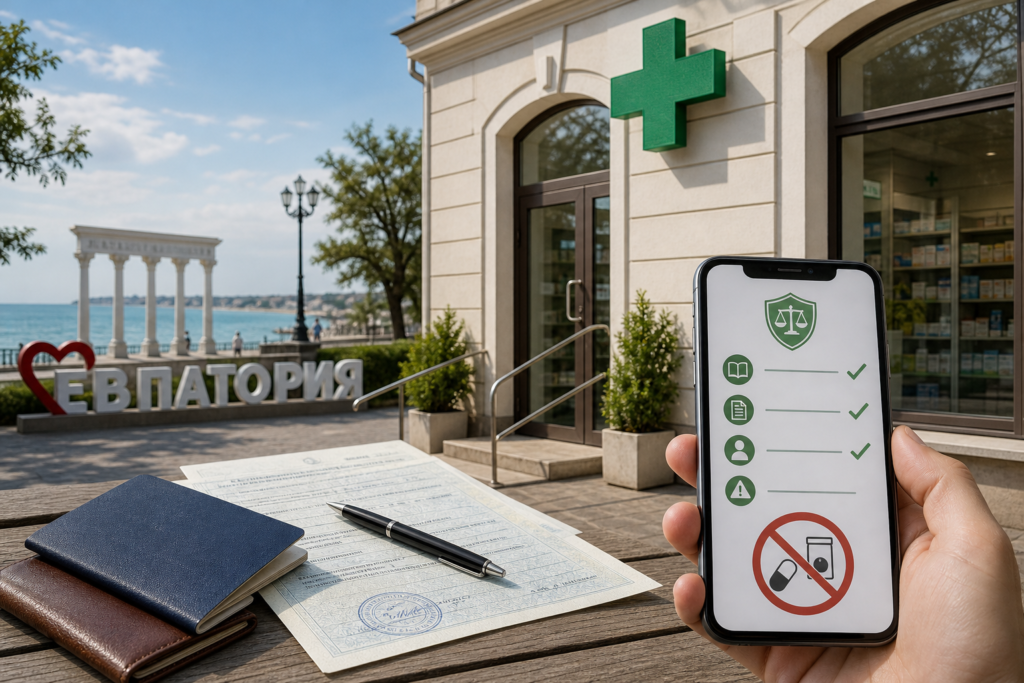
Common warning signs
- Requests for advance payment through irreversible methods, cryptocurrency, gift cards, or transfers to unrelated individuals.
- Pressure to act immediately, particularly when the seller claims limited stock or a disappearing account.
- No verifiable legal business identity, physical premises, license information, or formal customer-service channel.
- Claims that a product is “legal everywhere” without identifying its ingredients, legal basis, or testing documents.
- Offers to hide products in public locations or instructions designed to avoid law enforcement.
- Promises of guaranteed effects, medical cures, or unusually strong results.
- Requests for passport details, banking credentials, access codes, or unnecessary personal information.
How to evaluate legal cannabis-related products
Some products marketed in the broader hemp, wellness, or botanical category may not be the same as marijuana. Their status can depend on ingredients, concentration, manufacturing standards, labeling, intended use, and local regulations. Do not assume that a product is lawful because it is sold online or because the packaging mentions CBD, hemp, or plant extracts.
If you are considering a lawful product, check whether the seller clearly identifies the legal entity, manufacturer, batch information, ingredients, usage instructions, and a way to report an adverse reaction. Independent laboratory testing should be specific to the product batch rather than a generic certificate copied from another page. Be cautious if a seller refuses to provide documentation or publishes test results that cannot be connected to the item being sold.
When product legality is unclear, the safest choice is not to purchase it. A pharmacist, doctor, or qualified lawyer may be able to explain whether a particular product is lawful and appropriate for your circumstances. Do not rely on a retailer’s interpretation of criminal, pharmaceutical, or customs law.
A practical verification checklist
- Identify the exact product, including its ingredients and stated concentration.
- Check the seller’s registered business details and whether it is authorized to sell that category of product.
- Look for current, batch-specific testing and clear labeling rather than vague claims.
- Confirm payment, returns, delivery, and complaint procedures before sharing personal information.
- Compare the information with official health or legal guidance, not only customer comments.
- Stop if the seller pressures you, hides the ingredients, or asks you to bypass legal controls.
Medical cannabis questions in Yevpatoria
People often search for medical cannabis regulations in Russia because they are managing pain, sleep problems, anxiety, or another health condition. Online sellers are not a substitute for diagnosis or treatment. A product advertised as medical may not have been approved, tested, stored, or dispensed as a medicine.
Speak with a licensed clinician about the underlying condition and lawful treatment options. Bring a list of current medicines and supplements, because cannabis-related substances may affect alertness, judgment, or the way other medicines work. Do not drive, swim, operate machinery, or combine unknown products with alcohol or sedatives.
Urgent medical help is appropriate after severe confusion, chest pain, difficulty breathing, loss of consciousness, seizure, extreme agitation, or suspected poisoning. If a person may have consumed an unknown substance, preserve the packaging if it is safe to do so and tell medical staff what is known without delaying emergency care.
Safer online research and privacy practices
Search results and social networks can make an illegal offer look professional. Use them for general information only, not as proof that a vendor is lawful. Do not download unknown files, install messaging applications at a seller’s request, or send identity documents to an unverified account. A site using a secure connection protects data in transit but does not prove that the business or product is legitimate.
Be especially careful with “verification” pages that request a passport scan, bank-card photograph, one-time password, or a payment before showing basic product information. These patterns are consistent with identity theft and payment fraud. If you have already shared financial details, contact your bank promptly, change affected passwords, and monitor your accounts.
Local context: checking information beyond Yevpatoria
Advice published for another Crimean city may help explain general safety questions, but it does not create legal permission in Yevpatoria. For comparison, our guide to legal and safer cannabis information in Simferopol follows the same principle: distinguish public information from instructions for obtaining an illegal substance. A separate guide covering weed-seller claims in Kerch can also be useful for recognizing recurring scam patterns, but readers should not treat any city guide as a list of approved retailers.
Rules can change, and a product that appears in a neighboring location may be subject to different enforcement, transportation, or licensing issues. Before relying on any claim, confirm it through an official authority, licensed professional, or current legal advice. If no reliable source confirms that a product may be sold and possessed, assume the offer is unsafe and legally uncertain.
What a genuinely responsible retailer would look like
If you are evaluating a lawful hemp or wellness business rather than seeking prohibited cannabis, look for ordinary signs of accountability. The business should identify its legal operator, provide a real customer-service address, use clear product descriptions, disclose ingredients, explain returns, and avoid medical promises. It should not encourage customers to conceal purchases, evade checks, or use coded language to bypass regulations.
Responsible businesses also respect informed consent. They give customers time to review information, do not target minors, and do not make exaggerated claims about treating serious conditions. A polished design, large social following, or many five-star reviews is not enough. Accountability matters more than appearance.
Conclusion
There may be no lawful recreational cannabis retail market in Yevpatoria, so searching for trustworthy weed retailers in Yevpatoria should not lead to anonymous vendors or hidden delivery services. The safer approach is to understand cannabis laws in Yevpatoria, avoid unverified sellers, protect personal and financial information, and seek professional advice for medical concerns.
When a product’s legality, ingredients, or supply chain cannot be verified, do not buy it. Choose official health information and licensed professionals over online promises. That approach will not provide an illicit source, but it can help prevent scams, unsafe exposure, and avoidable legal problems.

The Ziklane Editorial Team is dedicated to providing accurate, well-researched, and up-to-date information on cannabis laws and regulations around the world. Our content is created through careful research of publicly available legal sources, government publications, and reputable references to help readers better understand local cannabis legislation. We are committed to delivering educational, factual, and regularly updated content while encouraging readers to comply with the laws of their respective countries and regions.