
Finding trusted weed sellers in Jauja, Peru requires more than locating a social-media account or accepting a recommendation from a stranger. Cannabis rules in Peru distinguish between regulated medical and therapeutic use and unauthorized recreational sales. Because local availability, licensing, and enforcement can change, the safest approach is to verify the legal status of a product before considering a purchase.
This guide does not provide names, contacts, delivery routes, or instructions for buying illegal cannabis. Instead, it explains how residents and visitors can assess legitimate medical channels, identify warning signs, protect their health, and find reliable legal information about weed in Jauja.
What to know about cannabis in Jauja
Jauja is a smaller city in the Junín region, so it may not have the same range of regulated health services or specialized retailers found in Lima. A search for cannabis in Jauja may produce informal sellers, online advertisements, or marketplace listings that appear professional but cannot demonstrate authorization.
A business name, branded packaging, delivery service, or positive online comment does not prove that a seller is licensed. Informal products may have inaccurate potency information, contamination risks, undisclosed additives, or an unknown origin. Products offered through unverified channels may also expose buyers to legal and personal-safety risks.
For current information, consult Peru’s official health authorities, including the Ministry of Health of Peru and the General Directorate of Medicines, Supplies and Drugs. These institutions are more reliable than anonymous listings when checking health regulations, medicines, and authorized processes.
Trusted weed sellers in Jauja, Peru: what legitimate access should look like
In practice, the strongest sign of a legitimate cannabis option is a documented medical pathway rather than a promise of fast, discreet, or unrestricted delivery. A responsible provider should be able to explain what it sells, who is responsible for dispensing it, and which rules apply.
Medical evaluation comes first
Medical cannabis should be discussed with a qualified health professional who can assess symptoms, existing conditions, medications, and possible alternatives. Cannabis can affect alertness, coordination, heart rate, mood, and medication response. It may not be appropriate for everyone, particularly people with certain psychiatric, cardiovascular, pregnancy-related, or substance-use concerns.
A seller who claims that cannabis cures every condition, replaces prescribed treatment, or is risk-free is not providing responsible health information. A legitimate medical conversation should include possible benefits, limitations, side effects, and follow-up.
Documentation should be clear
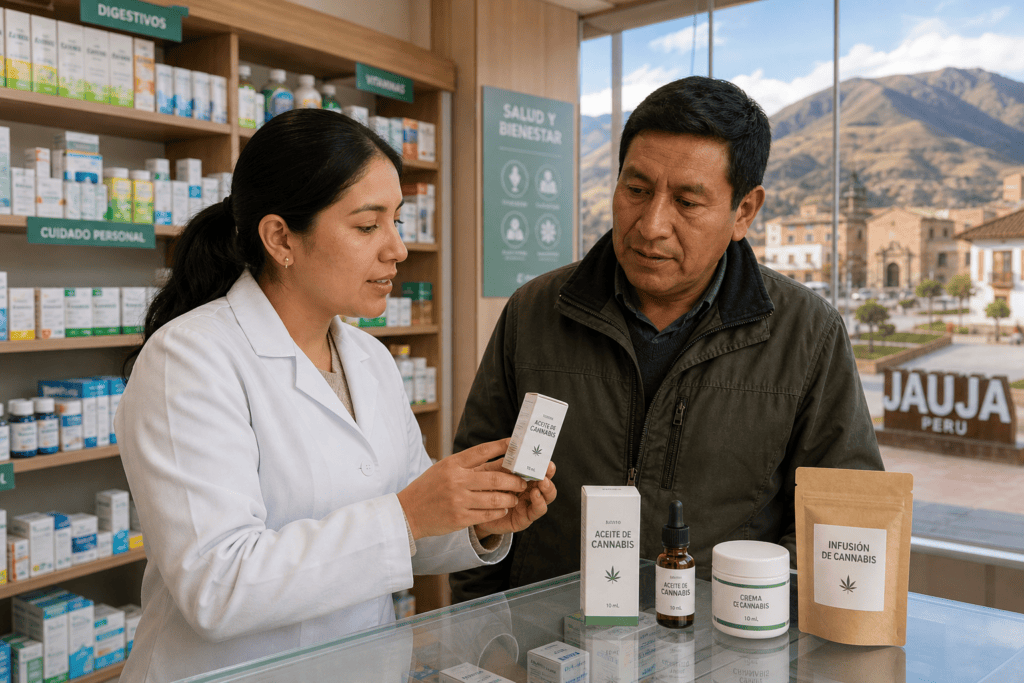
Before considering any regulated product, look for clear information about the responsible business or pharmacy, the product category, ingredients, batch identification, expiration date, storage instructions, and directions for use. Medical products should come through an appropriate health or pharmaceutical channel, not an anonymous personal account.
If a provider refuses to identify the manufacturer, will not show labeling, avoids questions about authorization, or insists on cash-only arrangements without documentation, treat that as a reason to stop. Pressure to pay quickly is another common warning sign.
How to evaluate medical cannabis in Jauja
People searching for medical cannabis in Jauja should separate three questions: whether cannabis may be appropriate for their health, whether the product is legally available, and whether the source can be trusted. A positive answer to one question does not automatically answer the other two.
- Speak with a qualified clinician. Explain your symptoms, medical history, current medicines, allergies, and previous treatments.
- Ask what type of product is being considered. Cannabis flower, oils, capsules, and other preparations can differ substantially in composition and effects.
- Request complete product information. Check the ingredients, cannabinoid content, batch details, expiration date, and storage requirements.
- Confirm the dispensing channel. Prefer recognized health or pharmaceutical establishments that can provide a receipt and answer regulatory questions.
- Start cautiously if a clinician recommends use. Follow professional instructions rather than relying on informal dosage advice from social media.
- Arrange follow-up. Report side effects, lack of benefit, or interactions with other medicines to the healthcare professional.
Cannabis laws in Jauja and Peru
There is no separate Jauja cannabis market that overrides national law. The relevant rules are Peruvian national regulations, along with any health, pharmacy, transport, and public-order requirements that apply locally. The legal framework can change, and a product being advertised publicly does not make its sale lawful.
When researching cannabis laws in Jauja, use current information from Peruvian government agencies rather than relying on old blog posts, screenshots, or comments. Pay particular attention to the distinction between medical or therapeutic products and recreational possession, production, distribution, or sale.
Travelers should be especially careful. Carrying cannabis across regional or international borders, placing it in public transport, or accepting an unlabeled product from another person can create additional legal problems. Never assume that a prescription, purchase receipt, or medical recommendation automatically permits every form of possession or transport.
Warning signs of an untrustworthy seller
Unverified sellers often use language designed to create urgency or confidence without providing evidence. The following signs should make you reconsider the transaction:
- Claims of guaranteed effects, instant relief, or treatment for unrelated diseases.
- No verifiable business identity, physical location, or responsible healthcare professional.
- Products without ingredient lists, batch numbers, expiration dates, or safety instructions.
- Pressure to send money before answering basic questions.
- Requests for unnecessary personal documents, banking information, or intimate medical details.
- Offers to conceal products, bypass legal procedures, or deliver through unsafe arrangements.
- Large differences between advertised and delivered products.
- Refusal to provide a receipt or written purchase information.
Photos of green buds, laboratory-style bottles, or customer messages are not proof of testing or legality. Reviews can be fabricated, copied, or posted by people with no knowledge of the product’s contents.
Safer questions to ask before using a cannabis product
If a legal medical provider is discussing a cannabis product, ask practical questions that help you make an informed decision:
- What is the exact product name and formulation?
- Which ingredients are present besides cannabis-derived compounds?
- How is the cannabinoid content measured?
- What are the recommended storage conditions?
- What side effects or interactions should be monitored?
- Can the product impair driving, work, or other activities requiring attention?
- What should you do if symptoms worsen or an adverse reaction occurs?
- Who should you contact for follow-up care?
Do not combine cannabis with alcohol or other sedating substances unless a qualified professional specifically advises you. Avoid driving or operating machinery if you feel drowsy, dizzy, confused, or otherwise impaired. Keep products away from children and pets, particularly edible or concentrated preparations.
How to research local options without relying on risky listings
A careful search should begin with health services and official information, not with anonymous marketplaces. You can ask a local clinician or pharmacist which legal medical channels are available and what documentation is normally required. If no authorized option is available in Jauja, ask whether a referral to a regulated provider elsewhere is appropriate.
Related guides for nearby or comparable Peruvian locations, such as the legal and safety considerations discussed for Tarma and the risks of relying on online forums in Huancavelica, can help readers recognize recurring problems with informal listings. These articles should complement, not replace, current advice from Peruvian health authorities.
Keep written records of questions asked, product information received, receipts, and professional recommendations. Documentation cannot make an illegal transaction legal, but it is useful when dealing with a legitimate healthcare provider or reporting a suspicious product.
What to do if a product causes problems
Stop using a product and seek medical attention if you experience severe anxiety, confusion, chest pain, fainting, breathing difficulties, uncontrolled vomiting, allergic symptoms, or other alarming effects. Tell the healthcare professional what was used, how much was taken, and when it was taken. If possible, keep the packaging rather than transferring the product to an unmarked container.
Suspected counterfeit, contaminated, or misleadingly labeled products can be reported through appropriate health or consumer-protection channels. Avoid posting the seller’s personal information publicly or attempting to confront them. Preserve receipts, messages, photographs, and packaging and provide them to the relevant authority if requested.
Conclusion
The safest answer to a search for trusted weed sellers in Jauja, Peru is not a list of unverified names. It is a method: confirm the current Peruvian rules, seek professional medical advice when cannabis is being considered for health reasons, use documented and regulated channels, inspect product information, and walk away from sellers who rely on secrecy or pressure.
For anyone researching weed in Jauja, legality and product safety should come before convenience. Official health authorities and qualified professionals are better sources than anonymous accounts, informal delivery offers, or testimonials that cannot be verified.

The Ziklane Editorial Team is dedicated to providing accurate, well-researched, and up-to-date information on cannabis laws and regulations around the world. Our content is created through careful research of publicly available legal sources, government publications, and reputable references to help readers better understand local cannabis legislation. We are committed to delivering educational, factual, and regularly updated content while encouraging readers to comply with the laws of their respective countries and regions.