
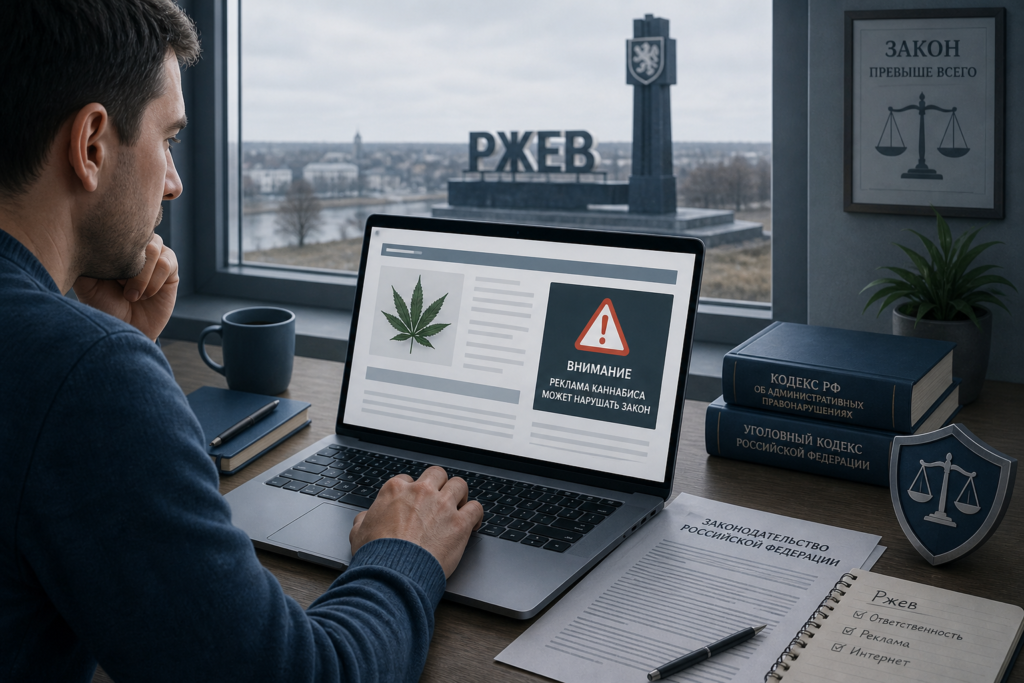
People searching for Online retailers selling weed in Rzhev may encounter websites, messaging channels, and social-media accounts that appear to offer discreet delivery. A listing, however, is not evidence that a seller is legal, reliable, or safe. In Russia, cannabis and products containing prohibited cannabinoids are subject to strict controls, so ordering, possessing, receiving, or distributing them can create serious legal and personal risks.
This guide does not recommend sellers or explain how to obtain illegal drugs. Instead, it explains how to evaluate online claims, avoid scams, understand the limits of local availability, and look for lawful help or alternatives. The same principles apply to anyone researching weed in Rzhev or trying to understand what is actually permitted in the city.
What online weed listings in Rzhev really mean
An online retailer can look professional without being a legitimate business. A polished website, product menu, customer reviews, or claims of anonymous delivery does not establish that the seller is licensed or that the products are lawful. Illegal marketplaces can also disappear quickly, change names, or use copied photographs and fabricated lab results.
For consumers, the risks are broader than losing money. A buyer may receive a different substance, a contaminated product, an unexpectedly potent preparation, or nothing at all. Sharing personal details with an anonymous operator can also expose someone to identity theft, extortion, blackmail, or further fraud.
Because local online listings are difficult to verify independently, it is not responsible to publish a list of supposed cannabis vendors in Rzhev. A safer article should help readers recognize warning signs rather than direct them toward unverified sellers.
Cannabis laws in Rzhev and the wider Russian framework
Cannabis laws in Rzhev are shaped primarily by federal Russian legislation rather than by a separate city-level retail system. The legal status of a product can depend on its ingredients, concentration, intended use, documentation, and the conduct involved. Possession, purchase, transportation, cultivation, and distribution may carry different consequences, but none should be treated casually.
Before relying on a social-media post or a seller’s legal claim, consult current official information. The official Russian legal information portal is the appropriate starting point for checking legislation and amendments. Laws and enforcement practices can change, and an online seller’s description is not a substitute for legal advice.
It is also important not to assume that a label such as “CBD,” “hemp,” “herbal,” or “technical” automatically makes a product lawful. Ingredients and permitted thresholds matter, and imported goods may raise additional customs issues. A product marketed as legal in another country may still be restricted in Russia.
Why “medical” claims need caution
Some sellers describe cannabis products as medical treatments for anxiety, pain, insomnia, or other conditions. Such marketing is not proof of approval, quality, or safety. An online retailer cannot replace a physician, and self-medicating with an unverified product can delay proper diagnosis or interact with prescribed medicines.
Anyone using medication or managing a chronic condition should discuss symptoms with a qualified healthcare professional. If a product has already been taken and causes confusion, extreme drowsiness, chest discomfort, breathing problems, seizures, or severe agitation, seek urgent medical help.
How to identify risky online retailers
Recognizing common warning signs can prevent both financial loss and exposure to unsafe substances. Treat the following signals as reasons to stop rather than as challenges to overcome:
- Guaranteed anonymity: promises that no legal or health risk exists are misleading and designed to remove caution.
- Pressure to act quickly: countdowns, limited-stock claims, and demands for immediate payment discourage sensible checking.
- Untraceable payment requests: requests for cryptocurrency, gift cards, or transfers to unrelated individuals provide little consumer protection.
- No verifiable business identity: missing registration details, address, responsible seller information, or terms of sale are major concerns.
- Unrealistic product claims: guaranteed effects, miracle cures, or precise potency without independent documentation should not be trusted.
- Requests for excessive personal information: passport images, selfies, banking credentials, or access to messaging accounts can enable fraud.
- Instructions to conceal a transaction: advice about hiding products or evading authorities is a clear warning that the activity may be unlawful.
Do not send money merely to test whether a seller is genuine. Do not visit an unfamiliar location alone, accept a product from an unknown courier, or share a home address with an unverified operator. If you have been targeted by a scam, preserve messages, payment records, and account details, then contact your bank and the relevant authorities.
Safer ways to approach cannabis-related questions
Searching for cannabis in Rzhev may reflect very different needs: curiosity, concern about a family member, a search for symptom relief, or an attempt to understand drug policy. The safest response depends on the underlying question.
If the issue is pain, sleep, or anxiety
Start with a licensed clinician or public healthcare service. Explain the symptoms, how long they have lasted, current medicines, and any substance use. This creates an opportunity to identify treatable causes and discuss lawful options. Avoid replacing medical care with products of unknown origin, especially when packaging, dosage, and ingredients cannot be verified.
If you are concerned about dependence
Repeated use, cravings, difficulty stopping, neglect of responsibilities, and continuing despite harm may indicate a substance-use problem. A confidential conversation with a doctor, addiction specialist, or mental-health professional is more useful than advice from an anonymous seller. The World Health Organization’s cannabis health information provides general context about potential health effects, but it does not replace individual medical advice.
If you are researching hemp or cannabinoid products
Check the complete ingredient list, manufacturer, batch information, applicable certificates, and the product’s legal status before considering any purchase. Be especially skeptical of products with no Russian-language labeling, no responsible importer, or no reliable way to verify laboratory information. “Natural” does not automatically mean harmless, and a product sold online may not contain what its label claims.
How to assess information without relying on seller reviews
Reviews on a retailer’s own channel are easy to manipulate. Even independent-looking comments may be copied, paid for, or generated to create confidence. When researching legal alternatives to cannabis in Rzhev, give more weight to sources that explain their evidence, identify responsible organizations, and distinguish established facts from opinion.
Useful checks include comparing information across official legal sources, public-health organizations, and qualified medical institutions. Look for publication dates and determine whether a page discusses Russian law or merely describes rules in another country. Be wary of articles that promise “risk-free” delivery, claim that enforcement cannot reach online transactions, or imply that a small amount is automatically permitted.
Readers looking for general safety guidance can also compare the structure of related local explainers, such as the online purchasing and legal-safety guide for Belorechensk and the retailer-verification guide for Izberbash. These resources should be used for risk awareness, not as a directory of vendors.
What to do if you have already placed an order
If money has been sent, contact the payment provider promptly and ask whether the transaction can be stopped or disputed. Save receipts, usernames, phone numbers, wallet addresses, delivery messages, and screenshots. Do not pay additional “release,” “insurance,” or “customs” fees simply because a seller threatens consequences.
If a package arrives, do not assume its contents are safe or lawful. Avoid opening or handling an unknown substance unnecessarily, keep it away from children and pets, and seek appropriate legal guidance about what to do next. If you believe your personal information has been exposed, change passwords, enable two-factor authentication, and watch financial accounts for unusual activity.
Anyone who feels pressured, threatened, or blackmailed should stop communicating where possible and report the incident through appropriate official channels. Threats from an anonymous seller are not evidence that the seller has legitimate authority.
Questions to ask before trusting any online claim
- Is the product clearly permitted under current Russian law, including its ingredients and concentration?
- Can the seller’s legal identity and registration be independently verified?
- Is there a legitimate customer-support process and a lawful returns policy?
- Are health claims supported by reliable medical evidence rather than testimonials?
- Would I be comfortable discussing this purchase with a doctor or legal professional?
If the answer to several questions is no, the safest decision is not to proceed. Convenience and privacy promises do not outweigh legal exposure, unknown product quality, and the possibility of fraud.
Conclusion
There is no reliable basis for treating anonymous online listings as authorized weed retailers in Rzhev. Federal rules, uncertain product composition, scam risks, and potential health consequences make unverified purchases especially dangerous. People researching weed in Rzhev should focus on current official law, qualified healthcare advice, and practical fraud prevention rather than seller directories.
When the goal is symptom relief, seek a clinician. When the concern is dependence, seek confidential support. When the issue is a suspicious transaction, protect financial and personal information and report it. A cautious, evidence-based approach is safer than trusting a retailer whose identity, products, and legal claims cannot be independently confirmed.

The Ziklane Editorial Team is dedicated to providing accurate, well-researched, and up-to-date information on cannabis laws and regulations around the world. Our content is created through careful research of publicly available legal sources, government publications, and reputable references to help readers better understand local cannabis legislation. We are committed to delivering educational, factual, and regularly updated content while encouraging readers to comply with the laws of their respective countries and regions.