
If you are searching for how to order weed in Shali, the first step is to understand the legal position before sharing personal information, sending money, or arranging a delivery. Shali is in the Chechen Republic of Russia, where recreational cannabis is not a legal retail product. An online listing, private message, or delivery advertisement does not make a transaction lawful.
This guide does not provide instructions for finding an illegal seller or bypassing local controls. Instead, it explains how to assess the risks, recognize scams, check official information, and look for lawful help when you are interested in cannabis for medical, wellness, or other reasons.
How to Order Weed in Shali When Cannabis Sales Are Not Legal
There is no reliable legal ordering route for recreational cannabis in Shali. Websites and social-media accounts that promise discreet delivery may expose customers to criminal allegations, fraud, unsafe products, or theft of personal information. A seller may also use a familiar product name while supplying an unknown substance with no dependable testing or labeling.
Russian controlled-substance rules can be detailed and may change through amendments or official interpretations. The safest approach is to check the current text through the official Russian legal information portal rather than relying on a seller’s claim that a product is permitted. Local enforcement, possession rules, import restrictions, and rules for medicines may all be relevant.
In practical terms, anyone considering weed in Shali should not assume that a small quantity, online payment, home delivery, or a claim of “medical use” removes legal risk. Do not ask a seller for ways to conceal a purchase or transport a package. Those actions can increase the danger rather than solve it.
Understanding Cannabis Laws in Shali
Searching for cannabis laws in Shali should lead to official legal sources and qualified professionals, not anonymous advertisements. The legal status of a cannabis-related item may depend on its ingredients, concentration, intended use, registration status, labeling, and how it enters the country.
Recreational cannabis and unlicensed sales
Recreational cannabis sales are not a normal licensed retail activity in Shali. An unlicensed seller cannot provide the same accountability as a regulated pharmacy or other authorized business. Even if a listing appears professional, there may be no way to confirm the material’s identity, strength, contaminants, or origin.
Medical questions require medical advice
People sometimes search for cannabis in Shali because of chronic pain, sleep problems, anxiety, seizures, or another health concern. Online sellers are not a substitute for a doctor. They may make unsupported treatment claims, recommend inappropriate doses, or encourage a person to stop prescribed medicine.
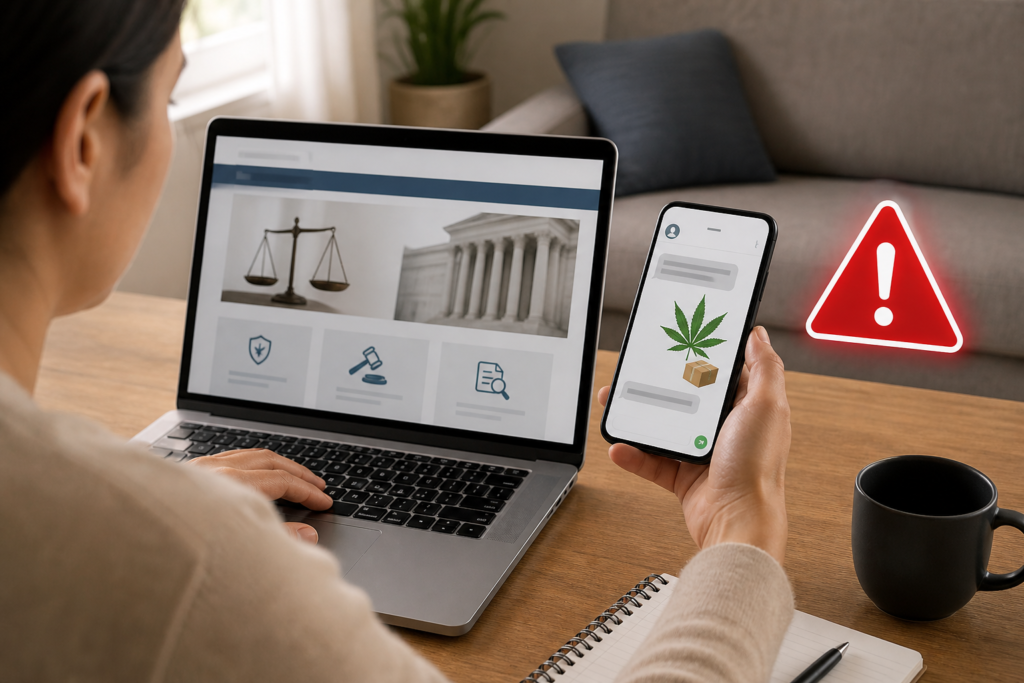
Start with a licensed medical professional who can review symptoms, existing diagnoses, current medicines, and possible interactions. The World Health Organization provides general background on cannabis, its effects, and health considerations in its cannabis health information. General information cannot determine whether a product is suitable for a particular patient.
Why Online Weed Offers in Shali Can Be Dangerous
Unregulated cannabis offers create several separate risks. The legal risk is only one part of the problem.
- Fraud: A seller may request an advance payment and then disappear, demand additional fees, or claim that a parcel is being held.
- Identity theft: A website or chat account may collect a name, address, passport details, payment information, or access codes.
- Unsafe contents: Products may contain unexpected substances, excessive potency, mold, pesticides, or synthetic compounds.
- Coercion: Criminal sellers may use threats, blackmail, or pressure after a customer makes contact.
- Legal exposure: Messages, payments, delivery arrangements, and possession may create evidence of an attempted or completed offense.
These risks apply even when an advertisement uses polished branding, customer reviews, photographs, or claims of laboratory testing. Such material can be copied or fabricated easily.
Red Flags to Recognize Before Sending Money
If you have already encountered a listing, pause before responding. The following warning signs indicate that the offer is not a trustworthy or lawful retail service:
- A demand for cryptocurrency, gift cards, or unusual payment methods.
- Pressure to pay immediately or to recruit another customer.
- Promises of guaranteed anonymity, “no-risk” delivery, or protection from law enforcement.
- No verifiable business address, responsible operator, terms of service, or lawful product documentation.
- Requests for passport scans, bank login information, one-time passwords, or unnecessary personal details.
- Claims that a product is automatically legal because it is labeled natural, herbal, CBD, or medical.
- Instructions to collect a package from an unfamiliar location or to conceal it from household members.
Do not test a suspicious product yourself to determine what it contains. Save only the information needed for a report, avoid further contact, and consider asking a lawyer about the safest next step if money or personal documents have already been sent.
Safer Legal Alternatives to Look Into in Shali
There may be lawful options that address the reason behind your search without involving an illegal cannabis purchase. The right option depends on your goal and should be checked against current Russian regulations.
If the goal is symptom relief
Arrange an appointment with a licensed doctor or an appropriate public health service. Explain the symptoms honestly and mention every medicine or supplement you use. A clinician can investigate underlying causes and discuss approved treatments, rehabilitation, sleep support, or pain-management strategies.
If the goal is a hemp-derived product
Do not assume that every hemp, CBD, seed, oil, or cosmetic product has the same legal status. Check the ingredient list, certificate or declaration where applicable, manufacturer, importer, and current rules before buying. Avoid products with unclear cannabinoid content, therapeutic promises, or no traceable producer.
If the goal is relaxation or sleep
Consider evidence-based options such as structured sleep routines, reducing evening stimulants, counseling, exercise appropriate to your health, or speaking with a clinician about persistent insomnia. Alcohol and unverified sedating products can create additional health risks.
How to Check a Product or Seller Without Making a Purchase
Research can be useful, but it should not involve placing a test order. Check whether a business has a verifiable legal identity, a physical contact route, transparent terms, and documentation that matches the product being advertised. Be cautious if the only evidence is a messaging account, anonymous testimonials, or screenshots of supposed lab results.
Search the manufacturer’s official details independently rather than using links supplied by an anonymous seller. Check spelling, domain age, return information, and whether the business makes claims that sound too good to be true. A legitimate-looking payment page still does not establish that a cannabis product is legal.
Do not download unknown applications, open suspicious attachments, or provide verification codes. If you believe a website is fraudulent, report it to the relevant platform and financial provider. If you have suffered a loss or believe your identity has been misused, contact your bank and local authorities promptly.
What to Do If You Have Already Placed an Order
If you have already paid or shared information, do not send more money to release a parcel, pay a fine, or “verify” your identity. Contact your bank or payment service using its official contact details and ask whether a transaction can be stopped or disputed. Change reused passwords and enable two-factor authentication on affected accounts.
Keep records of payment confirmations, usernames, website addresses, and messages, but do not forward illegal material or continue negotiating. If authorities contact you, seek advice from a qualified lawyer before making detailed statements. If a substance has arrived, avoid opening, handling, consuming, or distributing it; obtain professional legal guidance about safe reporting and disposal.
Frequently Asked Questions About Weed in Shali
Can I legally order cannabis for delivery to Shali?
You should not assume that delivery is legal. Recreational cannabis is not an ordinary lawful retail product in Shali, and an online seller’s promise does not change that. Verify any specific legal question through official sources or a qualified lawyer.
Does a medical claim make an online order legal?
No. A seller’s description is not a prescription, authorization, or proof that the product is approved. Medical concerns should be discussed with a licensed healthcare professional.
Are hemp or CBD products automatically permitted?
No. Different products can have different ingredients and regulatory requirements. Review current rules and product documentation before purchasing anything marketed as hemp-derived or cannabinoid-based.
Conclusion
Understanding how to order weed in Shali should begin with legality and personal safety, not with a delivery address or a seller’s promise of secrecy. Because unlicensed cannabis sales can involve serious legal, health, fraud, and privacy risks, do not arrange an illegal purchase. Check current rules through official sources, consult a qualified doctor for health concerns, and use a lawyer for case-specific legal advice. If an online offer seems suspicious, protect your accounts, avoid sending money or documents, and report the activity through appropriate channels.

The Ziklane Editorial Team is dedicated to providing accurate, well-researched, and up-to-date information on cannabis laws and regulations around the world. Our content is created through careful research of publicly available legal sources, government publications, and reputable references to help readers better understand local cannabis legislation. We are committed to delivering educational, factual, and regularly updated content while encouraging readers to comply with the laws of their respective countries and regions.