
If you are searching for How to find weed vendors in Ma’alot-Tarshiha, it is important to separate legal medical-cannabis access from unlicensed street sales. I cannot help locate illegal dealers or provide instructions for buying cannabis outside Israel’s regulated system. However, you can take practical steps to understand the rules, speak with a qualified doctor, identify legitimate treatment channels, and reduce the risk of scams or unsafe products.
This guide explains how to approach weed in Ma’alot-Tarshiha responsibly, what questions to ask, and how to recognize claims that should make you cautious. The same basic process applies whether you live in Ma’alot-Tarshiha, Ma’alot, Tarshiha, or a nearby community in northern Israel.
How to find weed vendors in Ma’alot-Tarshiha without taking legal risks
In Israel, cannabis access depends on the purpose of use and the applicable regulations. A person seeking cannabis for a medical condition should use the formal healthcare pathway rather than contacting anonymous sellers through messaging apps, social media, or informal local networks.
Unlicensed sellers create several risks at once. The product may be contaminated, mislabeled, unusually potent, or not cannabis at all. You may also have no reliable way to verify its ingredients, storage conditions, or origin. Purchasing, possessing, or supplying cannabis outside the permitted framework can also create legal consequences.
For current rules and official guidance, consult the Israeli Ministry of Health. Regulations and procedures can change, so avoid relying solely on old forum posts, screenshots, or advice from someone who claims to know a local seller.
Start with the medical-cannabis pathway
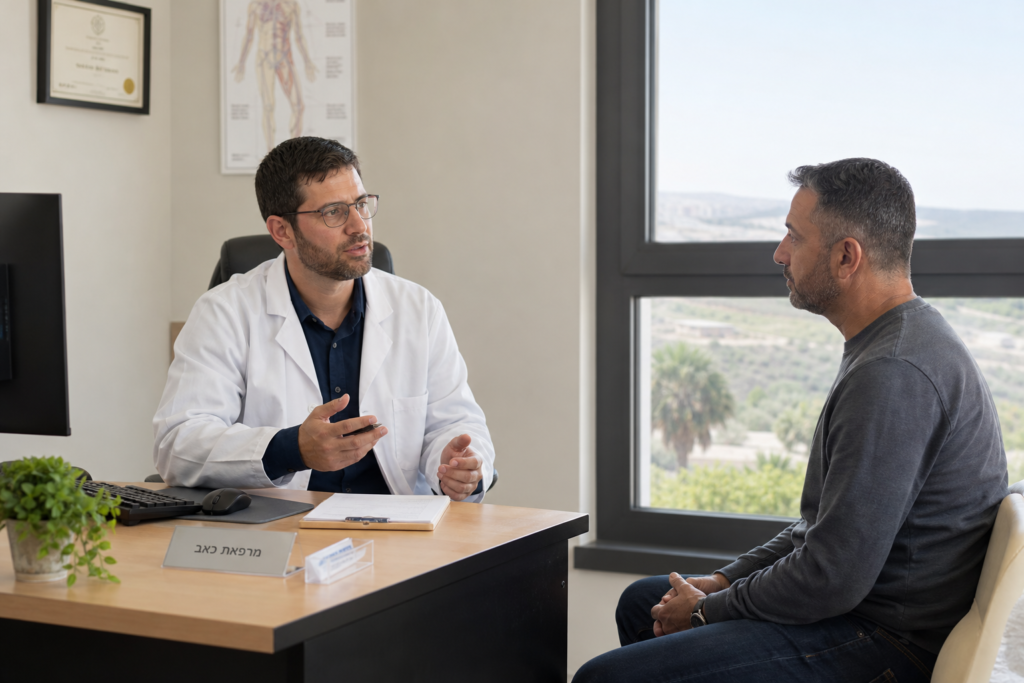
If your reason for looking for cannabis in Ma’alot-Tarshiha is pain, nausea, sleep difficulty, anxiety, or another health concern, begin with a licensed healthcare professional. A doctor can assess your symptoms, review other treatments, consider contraindications, and explain whether medical cannabis is appropriate under current Israeli rules.
Prepare for the medical appointment
Before the appointment, write down your diagnosis or symptoms, how long they have been present, treatments you have already tried, current medicines, allergies, and any history of psychiatric or cardiovascular problems. Be honest about previous cannabis use, including side effects or problems with dependence. This information helps the clinician make a safer assessment.
- Bring an up-to-date list of prescription and non-prescription medicines.
- Describe the amount, frequency, and timing of your symptoms.
- Ask what treatment alternatives are available.
- Ask about impairment, driving, work, and interactions with other medicines.
- Request clear instructions about dosage, product form, and follow-up.
A medical authorization, where granted, does not mean every cannabis product or every method of use is suitable for you. Follow the instructions provided by your healthcare team and ask before changing the amount or frequency.
Finding a legitimate dispensing point
Once you have the required authorization or prescription pathway, use the official information provided by your healthcare provider and the relevant authorities to identify a licensed dispensing location. Depending on the current system, access may involve an authorized pharmacy or another regulated provider rather than a general retail shop.
When checking a location, confirm its name, address, opening hours, and dispensing requirements through an official or directly verified channel. A legitimate provider should be able to explain what documentation is needed and should not pressure you to buy more than authorized.
Be especially cautious of anyone who claims to sell “medical cannabis” but does not ask for medical documentation, offers delivery without verification, or refuses to identify the licensed business behind the service. Those are warning signs, not conveniences.
Understanding cannabis laws in Ma’alot-Tarshiha
There is no separate municipal cannabis market for Ma’alot-Tarshiha. The relevant rules are generally national Israeli rules, although enforcement and the availability of healthcare services can vary by area. That means a local social-media group or a person advertising nearby cannot override national requirements.
When researching cannabis laws in Ma’alot-Tarshiha, check the date of any source. Look for information from a government department, a recognized healthcare institution, or a qualified legal professional. Avoid treating statements such as “everyone does it,” “police do not care,” or “this product is legal because it is natural” as legal advice.
It is also useful to distinguish between possession, personal use, medical authorization, cultivation, supply, and importing products. These activities may be treated differently, and the legal position can depend on the facts. If you are concerned about a previous incident or a specific legal question, seek advice from an Israeli lawyer rather than an anonymous online contact.
How to spot scams and unsafe sellers
Search results and messaging platforms can make an unlicensed seller appear professional. A logo, product menu, delivery promise, or positive-looking comments does not prove that a business is lawful or that its products are safe.
Common warning signs
- Payment is requested in advance through an unusual method, cryptocurrency, or gift cards.
- The seller refuses to provide a verifiable business identity or licensed location.
- There are claims of guaranteed effects, instant relief, or “no side effects.”
- The seller pressures you to act quickly or offers a discount for buying a large quantity.
- Product strength, ingredients, batch information, and storage instructions are missing.
- The contact asks for unnecessary identity documents or sensitive financial information.
- The person claims that medical authorization is unnecessary.
Never send a copy of your passport, identity card, bank details, or medical records to an unverified contact. If you have already shared information or paid money, save messages and receipts, contact your bank when relevant, and report suspected fraud through appropriate Israeli channels.
Health and safety considerations
Cannabis can affect attention, memory, coordination, mood, and reaction time. Effects may be stronger or less predictable when cannabis is combined with alcohol, sedatives, opioids, or other medicines. People with certain psychiatric, cardiovascular, pregnancy-related, or substance-use concerns may need particular caution.
Do not drive, operate machinery, or perform safety-sensitive work while impaired. Keep cannabis products away from children and pets, and store them in their original packaging where possible. Edible products can take longer to produce effects, so taking more too soon can increase the risk of an unpleasant or dangerous reaction.
For balanced health information about cannabis and its effects, review the World Health Organization’s cannabis information. If someone experiences severe confusion, chest pain, trouble breathing, loss of consciousness, or a serious mental-health reaction, seek urgent medical help.
What to ask a doctor or licensed provider
Clear questions can help you make a safer decision about medical cannabis in Ma’alot-Tarshiha. You do not need to accept vague promises or make a purchase before you understand the treatment plan.
- What is the intended benefit of this treatment?
- What side effects should I watch for?
- Could cannabis interact with my current medicines?
- Which product form and dose are appropriate?
- How long should I wait before assessing the effect?
- When should treatment be reviewed or stopped?
- What should I do if symptoms worsen?
- How should the product be stored and disposed of?
A reputable provider will answer these questions directly and will not promise a guaranteed result. Medical treatment should include follow-up, especially when cannabis is being considered for the first time or when the product, dose, or health condition changes.
Alternatives when cannabis is not the right option
Searching for cannabis may be a sign that an underlying problem has not been adequately treated. Depending on your situation, a doctor may discuss physiotherapy, psychological support, sleep treatment, non-cannabis medicines, pain-management services, or referral to a specialist. These options are not automatically better for everyone, but they deserve consideration before self-medicating.
If cost, transport, language, or appointment availability is making care difficult in Ma’alot-Tarshiha, ask your health fund or local clinic about available support and nearby services. A pharmacist can also help identify medicine interactions and explain how to use an authorized product safely.
A practical checklist for residents
- Define why you are considering cannabis and what symptoms you want to address.
- Speak with a qualified healthcare professional.
- Check current requirements through official Israeli sources.
- Use only an authorized dispensing route if treatment is approved.
- Verify product instructions, packaging, storage, and follow-up arrangements.
- Avoid anonymous sellers, unverified delivery services, and pressure to pay quickly.
- Do not drive or mix cannabis with alcohol or sedating substances.
- Seek medical help for severe or unexpected reactions.
Conclusion
The safest answer to a search for weed in Ma’alot-Tarshiha is not an anonymous vendor. It is a verified healthcare and dispensing pathway that respects Israeli law and gives you reliable information about the product and its risks. If cannabis may be medically appropriate, start with a qualified clinician, confirm the current requirements, and use only an authorized provider. This approach reduces the chance of counterfeit products, scams, legal trouble, and avoidable harm while helping you make a more informed health decision.

The Ziklane Editorial Team is dedicated to providing accurate, well-researched, and up-to-date information on cannabis laws and regulations around the world. Our content is created through careful research of publicly available legal sources, government publications, and reputable references to help readers better understand local cannabis legislation. We are committed to delivering educational, factual, and regularly updated content while encouraging readers to comply with the laws of their respective countries and regions.