
People searching for how to find weed vendors in Anapa may be looking for recreational cannabis, medical products, or simply reliable information before a trip. However, helping someone locate an illegal seller would expose them to serious legal, financial, and personal risks. In Russia, cannabis is not a legal recreational product, and buying, possessing, transporting, or distributing it can lead to criminal or administrative consequences depending on the circumstances.
This guide does not provide vendor names, hidden-market instructions, messaging contacts, search terms for illicit marketplaces, or advice on avoiding law enforcement. Instead, it explains the situation in practical terms, shows how to assess risk, and outlines safer steps for travelers, residents, and anyone who has already been approached by a suspected seller.
What to know about cannabis in Anapa
Anapa is a resort city in Krasnodar Krai, but its tourism status does not create a special exception for controlled substances. The same national rules that apply elsewhere in Russia also apply in Anapa, including on beaches, in hotels, at transport hubs, and in private accommodation. A seller may describe a product as harmless, imported, or intended for personal use, but those claims do not make the transaction lawful.
The legal status of a substance can also be difficult to determine from appearance or advertising. Products marketed as cannabis, hashish, edibles, oils, or synthetic alternatives may have different ingredients and risks. Some may contain unknown psychoactive chemicals, while others may be mislabeled. A person cannot reliably confirm safety, strength, or legality from a photograph, chat message, package, or seller review.
Why tourist areas can increase risk
Visitors are often targeted because they may be unfamiliar with local law, language, neighborhoods, and reporting procedures. An unsolicited offer can be a scam, an attempt to obtain money, a setup for theft, or a route to a more dangerous substance. Agreeing to meet can also expose someone to robbery, coercion, surveillance, or pressure to buy more than they intended.
Searching for weed in Anapa through informal contacts can create a digital trail as well as a physical risk. Messages, payment records, location data, and shared identity documents may later be used for blackmail or fraud. A request for an advance payment, passport image, bank details, or a live location should be treated as a warning sign.
Cannabis laws in Anapa and Russia
Russian drug law treats unauthorized cannabis circulation seriously. The consequences can depend on the substance, amount, intent, method of acquisition, and other facts. Possession and purchase are not made safe by calling the amount small, using coded language, or claiming that the product is for personal use. Distribution-related conduct can carry substantially more severe consequences.
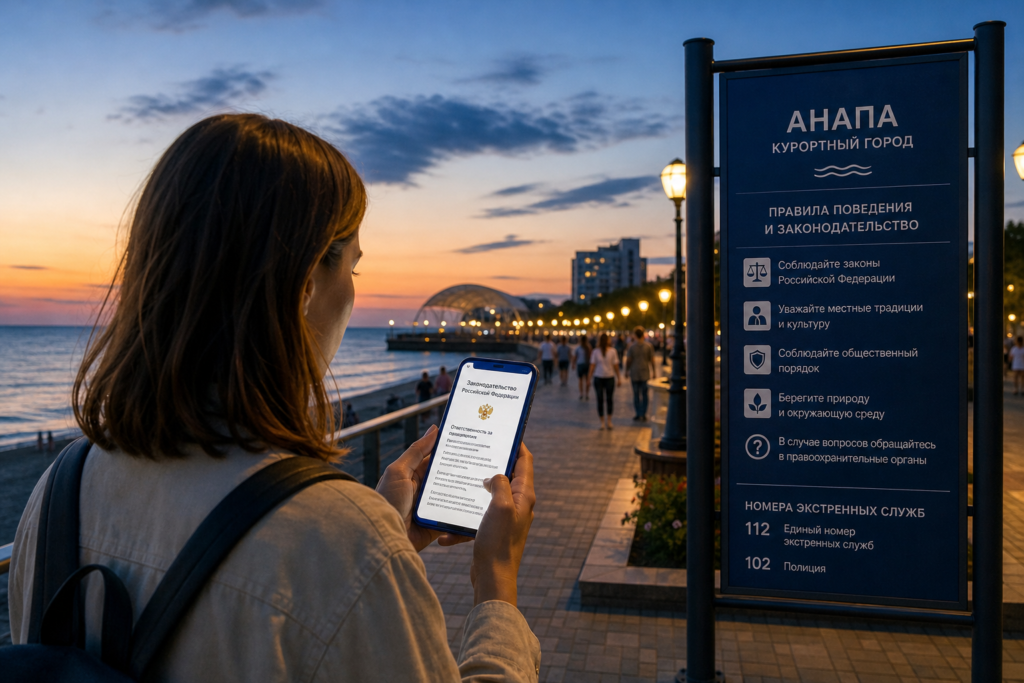
For the current wording of Russian statutes and official legal materials, consult the official Russian legal information portal. Legal rules can change, and an online article should not replace advice from a qualified Russian lawyer. Foreign nationals should also understand that a drug-related incident may affect their visa, registration, travel plans, employment, or ability to re-enter the country.
Medical cannabis is not an automatic exception
Some countries permit regulated medical cannabis, but rules from those countries do not automatically apply in Russia. A prescription issued abroad should not be assumed to authorize possession or importation in Anapa. Bringing cannabis, cannabis medicines, extracts, or products containing controlled cannabinoids across a border can create additional customs and criminal-law risks.
Anyone who uses prescribed medication should check its ingredients before traveling and obtain advice from a licensed doctor and the relevant embassy or consular service. Do not rely on a seller, travel forum, hotel employee, or social-media account to interpret Russian medicine or customs rules.
Why informal sellers cannot provide a safe solution
There is no dependable way to verify an illicit vendor’s identity, product contents, or promises. A seller may claim to offer cannabis in Anapa while delivering a synthetic cannabinoid, contaminated plant material, or an entirely different substance. Even laboratory-tested products in regulated markets do not eliminate every risk; unregulated products provide far less information.
- Unknown potency: A product may be much stronger than expected, increasing the likelihood of panic, confusion, vomiting, loss of coordination, or a medical emergency.
- Unknown ingredients: Oils, sweets, powders, and vape liquids may contain solvents, pesticides, synthetic drugs, or other contaminants.
- Fraud: A seller may take payment without delivering anything or send a fake location that leads to another demand for money.
- Extortion: Photos, conversations, or personal information may be used to threaten or embarrass a buyer.
- Legal exposure: The buyer, courier, driver, or person storing the product may all face consequences.
- Personal danger: A meeting in an unfamiliar location can become a robbery or assault risk even before any substance changes a person’s judgment.
These problems apply whether someone is searching for recreational products, trying to replace a medicine, or responding to a casual offer. A friendly tone and professional-looking packaging are not evidence of safety.
Safer responses if someone offers drugs
If a stranger or online contact offers drugs, the safest response is brief and non-confrontational. You do not need to explain your reasons, negotiate, or prove that you understand the offer. A simple refusal followed by leaving the conversation is usually better than asking follow-up questions.
- Do not share your name, passport details, hotel room, phone number, payment information, or live location.
- Do not send an advance payment or agree to meet at a private apartment, isolated beach, car, stairwell, or unfamiliar address.
- Save only the information needed for a report if doing so is safe, and avoid forwarding illicit advertisements to friends.
- Block the account or number after preserving evidence of threats, fraud, or harassment.
- Tell a trusted companion, hotel manager, tour operator, or another responsible person if you feel followed or pressured.
- Contact local emergency services or the police if there is an immediate threat, violence, extortion, or suspected poisoning.
Do not attempt to test, resell, dispose of, or transport a substance yourself. If an unknown item has been left with you, avoid handling it unnecessarily and seek prompt legal guidance about the appropriate next step.
Health risks and what to do in an emergency
People who have taken an unknown substance may experience anxiety, paranoia, severe drowsiness, agitation, hallucinations, chest pain, seizures, breathing problems, or loss of consciousness. Synthetic cannabinoids and concentrated products can produce unpredictable effects and may not resemble the effects the person expected.
Call local emergency services immediately for difficulty breathing, unconsciousness, seizures, severe chest pain, extreme confusion, serious injury, or behavior that threatens immediate harm. Stay with the person if it is safe, move away from traffic or water, and tell medical professionals what was taken if that information is known. Do not force food or drink, induce vomiting, or leave an unconscious person alone. If the person is a visitor, contact their travel-insurance assistance line as soon as practical.
For general, evidence-based information about cannabis effects and health concerns, review the World Health Organization cannabis fact sheet. It is a better starting point than anonymous seller claims or social-media anecdotes.
Legal alternatives for visitors looking for relief
Some searches for legal cannabis alternatives in Anapa are really requests for help with sleep, stress, pain, or relaxation. Those needs deserve legitimate care rather than an informal purchase. A licensed clinic or qualified doctor can assess symptoms, review existing medication, and suggest lawful treatment options. Pharmacies can explain which non-prescription products are legally available, but they should not be expected to approve imported or controlled substances.
For sleep, stress, or anxiety
Consider a consultation with a medical professional, especially if symptoms are persistent, severe, or connected to panic or depression. Short-term travel measures may include maintaining a regular sleep schedule, reducing alcohol and caffeine, limiting screen use before bed, and staying hydrated. Alcohol is not a safe substitute for cannabis and can worsen judgment, anxiety, and dehydration.
For pain or other physical symptoms
Seek a diagnosis rather than masking unexplained symptoms with an unknown product. A doctor can recommend lawful treatment and identify warning signs that require urgent care. Do not combine unfamiliar medicines, supplements, alcohol, or sedatives without professional advice.
How to verify information before traveling
Before visiting Anapa, check current guidance from official sources rather than relying on old travel posts. Confirm visa, customs, medicine, and controlled-substance rules for your nationality and itinerary. Keep medicines in their original packaging, carry supporting documentation when appropriate, and ask a doctor or embassy about any product that contains a controlled ingredient.
Be cautious with search results that promise discreet delivery, guaranteed quality, anonymous payment, or protection from arrest. Those promises are especially common in scams and are not evidence that a service is legitimate. A site that publishes a menu, customer reviews, or a map pin may still be designed to collect money or personal data.
When researching cannabis laws in Anapa, prioritize official legal sources, licensed medical professionals, and recognized public-health organizations. Look for the date of the information, the jurisdiction it covers, and whether it distinguishes between possession, use, sale, importation, and prescribed medicines.
What to do after a suspected drug-related incident
If money was taken, threats were made, or personal information was exposed, contact your bank or payment provider quickly and ask about blocking or disputing the transaction. Preserve messages, receipts, usernames, phone numbers, and timestamps without engaging further than necessary. If you are threatened, assaulted, detained, or accused of an offense, request a lawyer and contact your embassy or consulate if you are a foreign national.
Do not delete evidence because you are embarrassed, and do not make public accusations that could escalate the situation or create additional legal problems. A local lawyer can explain your rights and obligations more accurately than an anonymous online forum.
Bottom line
There is no safe or lawful shortcut for finding weed vendors in Anapa. Informal sellers create risks involving criminal law, scams, unknown substances, extortion, and medical emergencies. The safer approach is to avoid the transaction, protect your personal information, obtain legitimate medical help for health concerns, and use official sources for current legal guidance. If an incident has already occurred, focus on immediate safety, preserve relevant evidence, and seek qualified legal or emergency assistance.

The Ziklane Editorial Team is dedicated to providing accurate, well-researched, and up-to-date information on cannabis laws and regulations around the world. Our content is created through careful research of publicly available legal sources, government publications, and reputable references to help readers better understand local cannabis legislation. We are committed to delivering educational, factual, and regularly updated content while encouraging readers to comply with the laws of their respective countries and regions.