
Finding trusted weed sellers in Chota, Peru requires more than locating a social-media account or accepting a recommendation from a stranger. Cannabis rules in Peru are limited and specific, and the legal framework is mainly focused on medicinal and therapeutic use. In Chota, as elsewhere in the country, a seller who cannot explain the product’s legal status, source, labeling, or testing should not be treated as trustworthy.
This guide does not provide contacts for unlicensed sellers or instructions for arranging an illegal purchase. Instead, it explains how to evaluate legal options, recognize warning signs, protect your health and privacy, and verify information before making any decision about cannabis in Chota.
Understanding cannabis laws in Chota
Chota follows Peru’s national legislation; the city does not create a separate cannabis market or local licensing system. That distinction matters because online advertisements may imply that cannabis is freely available when the legal position is considerably narrower. Rules can also change, so current information should be checked with official Peruvian institutions rather than relying on old blog posts, group chats, or seller claims.
Peru has established a framework for medicinal and therapeutic cannabis, but that does not mean every cannabis product, seller, or delivery service is authorized. A product advertised for recreation, sold without traceable documentation, or supplied by an unknown individual may fall outside the regulated system. Possession, supply, cultivation, importation, and transport can involve different legal questions.
For current public-health and regulatory information, consult the Peruvian Ministry of Health and review the information published by DIGEMID, the national authority associated with medicines and health-related products. These sources are more reliable than vendor listings because they provide institutional guidance rather than sales claims.
What a legitimate medical cannabis option should look like
If your interest is medical cannabis in Chota, begin with a qualified healthcare professional. A clinician can assess symptoms, existing diagnoses, medications, contraindications, and whether a cannabis-based treatment is appropriate. Cannabis should not replace urgent medical care or be used to self-treat serious conditions without professional guidance.
Signs of a more credible source
A lawful medical supplier should be able to identify the product and explain how it enters the regulated supply chain. Depending on the product, useful information may include the manufacturer, active ingredients, concentration, batch or lot number, expiration date, storage instructions, and applicable authorization or registration details.
- Traceability: The product has a named manufacturer or importer and a clear batch number.
- Accurate labeling: The packaging states cannabinoid content, ingredients, warnings, quantity, and expiration information.
- Professional documentation: The seller can provide an invoice or other legitimate purchase record.
- Appropriate advice: Staff do not promise guaranteed cures or encourage you to ignore medical advice.
- Secure packaging: The product is sealed, stored correctly, and not transferred in an unmarked container.
These checks do not prove that a product is suitable for you, but the absence of them is a strong reason to walk away. A seller who refuses basic questions or insists on cash-only secrecy is not demonstrating the transparency expected from a regulated health-product provider.
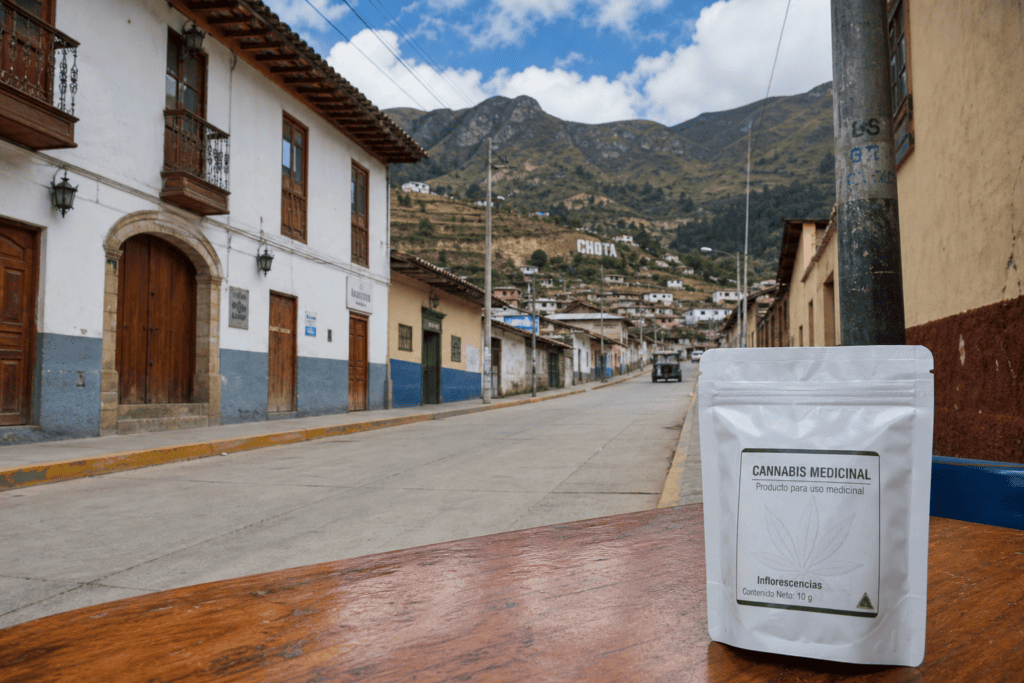
How to evaluate claims about weed in Chota
Search results for weed in Chota may include informal listings, copied advertisements, discussion forums, and pages designed mainly to attract messages. Visibility online is not evidence of licensing, product quality, or legal operation. Treat every listing as unverified until its claims can be independently confirmed.
Questions to ask before considering a product
- Is the product intended for a recognized medical purpose, or is it being marketed as an unrestricted recreational product?
- Can the seller identify the manufacturer, importer, or authorized establishment?
- Is there a sealed package with a readable label and expiration date?
- Can the seller provide a receipt and explain the product’s storage conditions?
- Does the seller avoid medical promises and encourage appropriate professional advice?
- Are payment, delivery, and personal-data requests proportionate and transparent?
If the answers are vague, contradictory, or accompanied by pressure to pay immediately, do not proceed. A genuine business should understand why customers need clear product information, particularly when the product may affect health, driving ability, work, or other medicines.
Red flags associated with unverified sellers
Many unsafe cannabis transactions begin with simple warning signs. A low price or fast delivery promise can be attractive, but it may conceal counterfeit products, contamination, theft, fraud, or legal exposure. The following signals should be taken seriously:
- Claims that cannabis is “fully legal” in every form throughout Peru.
- Products offered without labels, batch information, or an identifiable producer.
- Photos that appear copied from another website or account.
- Requests for an advance payment before basic questions are answered.
- Pressure to move immediately to encrypted messaging or a private meeting.
- Promises to cure cancer, anxiety, pain, epilepsy, or another condition.
- Instructions to conceal the product or misrepresent its contents.
- Requests for identity documents, banking credentials, or unnecessary personal details.
- Refusal to provide a receipt or a verifiable business identity.
Do not attempt to test an unknown product by taking a small amount. Potency, contaminants, synthetic cannabinoids, pesticides, and mislabeled ingredients cannot be reliably identified by appearance or smell. If you suspect exposure to a harmful substance, seek urgent medical assistance and keep the packaging available for clinicians if it is safe to do so.
Safer steps for people seeking medical cannabis in Chota
For a medical need, the safest starting point is a consultation with a licensed doctor or an established health service. Bring a list of current medicines, allergies, diagnoses, and symptoms. Ask whether a cannabis-based treatment has a reasonable role, what side effects to monitor, and how it may interact with alcohol, sedatives, antidepressants, seizure medicines, or other treatments.
Do not assume that a product labeled “CBD,” “hemp,” or “natural” is automatically risk-free. Labels can be inaccurate, and products may contain cannabinoids or other ingredients that are not obvious from the marketing. Ask a professional how to interpret the formulation and whether the proposed product is appropriate under Peru’s rules.
When purchasing a lawful health product, retain the receipt, packaging, and written instructions. Store it away from children and pets. Avoid driving or operating machinery if the product causes drowsiness, impaired coordination, slower reactions, or changes in concentration. Never share a prescribed or medically recommended product with another person.
Online listings, forums, and privacy
Online discussions can help reveal common scams, but they cannot verify a seller. Community posts may be anonymous, outdated, promotional, or written by someone who has not tested the product. This is especially important when researching cannabis in Chota, where a small number of online listings may create a misleading impression of an established local market.
Protect your privacy by avoiding unnecessary photographs of identification documents, home addresses, workplace details, or financial information. Use caution with links, downloadable files, and payment requests. If a page asks for a deposit before confirming the business identity or sends you to an unrelated payment account, stop the conversation and report the account where appropriate.
Readers comparing safety guidance in other Peruvian locations may also find our article on legal and safety considerations for weed sellers in Requena useful. The local geography differs, but the verification principles are similar.
Transport, public use, and personal safety
Even when a product is obtained through a lawful medical channel, transport and use should follow the provider’s instructions and applicable law. Keep products in their original packaging, avoid consuming cannabis in public, and never drive after using a product that may impair you. Do not carry cannabis across borders or send it through ordinary delivery services without confirming that the specific product and method are authorized.
Meeting an unknown seller in an isolated place creates personal-safety risks in addition to legal and health risks. The safest way to avoid those risks is to use a verifiable, regulated source rather than arranging a private exchange. If you are threatened, defrauded, or pressured, preserve messages and payment records and contact the appropriate local authorities.
How to report misleading or dangerous cannabis advertising
Keep screenshots, account names, phone numbers, receipts, product photographs, and payment details if you encounter suspected fraud or unsafe health claims. Do not publicly publish someone’s private information or attempt to confront a suspected seller. Report misleading advertisements to the platform and seek guidance from the relevant health or consumer-protection authority.
Medical questions should go to a healthcare professional, while urgent symptoms require prompt medical attention. Official institutions are better placed than anonymous sellers to explain current cannabis laws in Chota, product requirements, and the appropriate reporting route.
Conclusion
There may be online claims about trusted weed sellers in Chota, Peru, but an advertisement alone cannot establish that a seller is legal, safe, or reliable. The most responsible approach is to distinguish regulated medical products from unverified cannabis, confirm current information through Peruvian authorities, consult a qualified healthcare professional, and reject products without traceability or proper labeling.
Whether you are researching weed in Chota for general information or considering medical cannabis in Chota for a health concern, do not let urgency override verification. Transparent documentation, professional guidance, secure packaging, and respect for the law are the minimum standards for a safer decision.
For additional context, see our guide to evaluating trusted weed sellers in Supe and our overview of legal and safety questions for weed retailers in Huanta. These articles should complement—not replace—current advice from official authorities and healthcare professionals.

The Ziklane Editorial Team is dedicated to providing accurate, well-researched, and up-to-date information on cannabis laws and regulations around the world. Our content is created through careful research of publicly available legal sources, government publications, and reputable references to help readers better understand local cannabis legislation. We are committed to delivering educational, factual, and regularly updated content while encouraging readers to comply with the laws of their respective countries and regions.