
If you are searching for weed sellers in Satipo, Peru, it is important to understand the legal and personal risks before contacting anyone. Unverified sellers, social-media accounts, messaging groups, and informal delivery offers may involve illegal activity, fraud, contaminated products, theft, or pressure to meet in unsafe places. This guide does not provide names, contacts, locations, or instructions for buying cannabis outside authorized channels. Instead, it explains how to approach the subject responsibly and what legal alternatives may exist.
Satipo is a city in the Junín region with a mix of urban neighborhoods, rural communities, markets, and visitors passing through the central Peruvian Amazon. That setting can make informal offers appear credible, but familiarity with a local area does not make an unlicensed cannabis sale lawful or safe. Anyone considering weed in Satipo should verify the applicable rules and prioritize health, privacy, and personal safety.
What to know before looking for weed sellers in Satipo, Peru
Peru distinguishes between regulated medicinal and therapeutic cannabis and unregulated recreational sales. The existence of a medical framework should not be interpreted as permission for anyone to sell cannabis informally. A product offered through a private contact, street seller, website, or messaging application may not have reliable information about its ingredients, strength, storage, or origin.
Rules can also depend on the product, purpose, quantity, documentation, and circumstances. Because legal situations change and individual cases differ, avoid relying on rumors or advice from anonymous online accounts. For current public guidance, consult the Peruvian Ministry of Health and, when necessary, seek advice from a qualified Peruvian lawyer or licensed healthcare professional.
Why informal purchases carry extra risk
- Unknown contents: Cannabis may be mixed with other substances, pesticides, mold, or residual chemicals.
- Unreliable potency: Labels and verbal claims may not accurately describe the concentration of THC, CBD, or other compounds.
- Scams: A person may request advance payment and then disappear, send a different product, or collect personal information.
- Legal exposure: Buying, possessing, transporting, or selling an unregulated product can create legal problems even when an offer is presented as harmless.
- Personal safety concerns: Meeting an unknown person with cash or valuables can increase the risk of robbery, intimidation, or unwanted contact.
How cannabis laws in Satipo affect access
There is no separate cannabis market law created specifically for Satipo. National Peruvian rules apply in Satipo as they do elsewhere in the country. The most relevant distinction for consumers is between access through a regulated medical pathway and an informal transaction with an unlicensed seller.
People looking for cannabis in Satipo should not assume that a dispensary-style social-media page, a delivery service, or a recommendation from an acquaintance is officially authorized. Before accepting any medical product, ask whether the provider is operating through the required health and pharmaceutical channels and whether the product is intended for the stated medical purpose. If a seller refuses to identify the legal provider, uses only anonymous accounts, or makes exaggerated health claims, treat that as a warning sign.
For broader information about drug policy, prevention, and public services in Peru, the official National Commission for Development and Life Without Drugs is a more reliable starting point than anonymous forums or commercial listings.
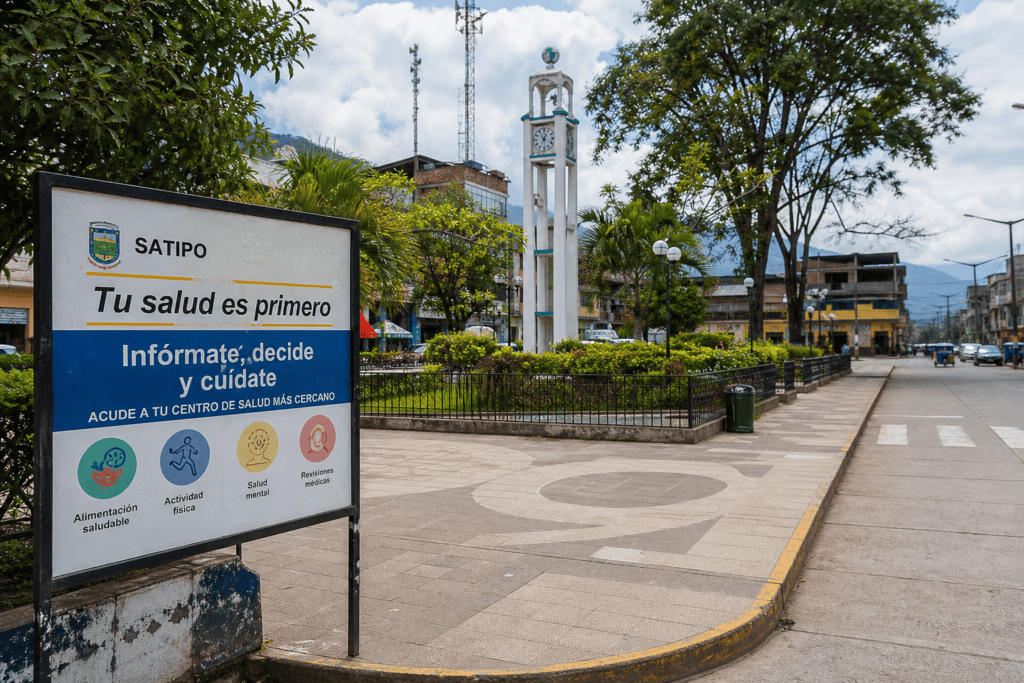
Medical cannabis in Satipo: a safer legal route
If cannabis is being considered for pain, epilepsy, nausea, sleep problems, anxiety, or another health concern, begin with a licensed clinician rather than a seller. A doctor can review symptoms, current medicines, medical history, pregnancy status, mental-health concerns, and possible interactions. Cannabis is not appropriate for every condition, and self-treatment can delay diagnosis or worsen some symptoms.
Questions to discuss with a healthcare professional
- What condition is being treated, and are there evidence-based alternatives?
- Could cannabis interact with prescription medicines, alcohol, or sedatives?
- What side effects should be monitored?
- Is the proposed product legally available through an authorized route?
- What should the patient do if symptoms worsen or an adverse reaction occurs?
A healthcare professional may also explain whether a regulated medicinal product is available and what documentation or follow-up is required. Do not substitute a product purchased from an unknown contact for a prescription, diagnosis, or treatment plan. Products described as “natural,” “strong,” or “100% medicinal” still require careful evaluation.
Warning signs when researching weed in Satipo
Search results and private recommendations often blur the difference between information and advertising. The following signals should make you stop and reconsider any contact:
- A promise of guaranteed delivery, complete anonymity, or immunity from legal consequences.
- Pressure to send money before seeing verified documentation or a legitimate business identity.
- Requests for photographs of identity documents, banking passwords, or unnecessary personal details.
- Claims that cannabis cures cancer, replaces all prescribed medicines, or has no side effects.
- Products sold without clear labeling, ingredients, batch details, storage information, or professional oversight.
- Instructions to hide a transaction, cross borders, use someone else’s identity, or evade authorities.
- A request to meet at an isolated location, private residence, hotel room, or unfamiliar rural area.
These warning signs do not prove that a particular person is committing a crime, but they indicate that the offer cannot be treated as a trustworthy or regulated source. The safest choice is to end the conversation and avoid sharing more information.
Safer steps if someone has already contacted you
If an unknown seller has sent a message, do not argue, threaten, or attempt to investigate the person yourself. Save relevant messages only if it is safe to do so, block the account, and avoid opening suspicious files or links. If money has already been sent, contact the bank or payment provider promptly and ask whether the transaction can be stopped or reported.
If you feel threatened, are being followed, or believe a crime is occurring, move to a public place and contact local emergency or law-enforcement services. Do not arrange a meeting to recover money or test the seller’s identity. A local lawyer or consumer-protection professional may help explain reporting options, especially when the situation involves fraud, coercion, or identity theft.
How to evaluate online information about cannabis in Satipo
Online discussions can help identify questions to ask, but they are not proof that a seller is licensed or that a product is safe. Treat anonymous reviews, “verified” badges, photographs of packages, and claims of local popularity as unconfirmed. A genuine-looking profile can still be used for a scam.
When reading information about cannabis in Satipo, look for the date, named institution, legal context, and distinction between medical use and nonmedical sales. Prefer official government pages, licensed healthcare providers, and recognized public-health organizations. Be especially cautious with articles that publish seller phone numbers, promise low prices, or encourage readers to bypass legal procedures.
Readers researching nearby areas may also encounter general safety guidance in our article about cannabis-related risks and legal considerations in Pichanaqui. That type of information should be used for general awareness, not as a directory of sellers or a recommendation to purchase.
Practical alternatives to informal purchasing
For a medical concern, make an appointment with a licensed clinician or health center and ask directly about approved treatment options. Bring a list of current medicines and describe symptoms accurately. If cost or distance is a problem, ask about public health services, referral options, and whether a remote consultation is available through a legitimate provider.
For general wellness, consider non-drug measures appropriate to the problem, such as sleep support, physical therapy, counseling, stress management, or treatment for an underlying condition. These options may not replace specialized care, but they are safer than using an unknown product with no dosage or quality information.
Do not transport cannabis across regional or national borders based on a seller’s assurances. Travel can introduce additional legal and practical risks, particularly when documentation, packaging, or the product’s origin cannot be verified.
Frequently asked questions
Can I get a list of weed sellers in Satipo?
A responsible source should not publish unverified contacts or direct readers to informal sellers. Such listings could expose people to illegal transactions, scams, unsafe products, and personal danger. Use official health information and professional advice instead.
Is every cannabis product in Satipo illegal?
That conclusion cannot be made about every product without examining its legal status, intended use, provider, documentation, and applicable Peruvian regulations. However, an informal offer should not be assumed to be authorized simply because it is advertised as medicinal or sold openly.
What should I do if I want medical cannabis?
Speak with a licensed healthcare professional about your condition and ask about regulated options. Confirm the provider and product through official channels, and avoid purchasing from a person who cannot explain the lawful medical pathway.
Conclusion
Finding weed sellers in Satipo, Peru through informal contacts is not a reliable or safe way to obtain cannabis. Anonymous sellers may provide mislabeled products, attempt fraud, or expose buyers to legal and personal risks. The safer approach is to understand national regulations, consult a qualified healthcare professional for medical needs, verify any provider through official channels, and refuse offers that depend on secrecy or pressure. Good information should help people make lawful, informed decisions—not direct them toward unverified sellers.

The Ziklane Editorial Team is dedicated to providing accurate, well-researched, and up-to-date information on cannabis laws and regulations around the world. Our content is created through careful research of publicly available legal sources, government publications, and reputable references to help readers better understand local cannabis legislation. We are committed to delivering educational, factual, and regularly updated content while encouraging readers to comply with the laws of their respective countries and regions.