
Searching for where to buy weed in Paita can lead people to online forums, social-media groups, private chats, and informal recommendation threads. These spaces may appear useful, but posts are often anonymous, outdated, commercially motivated, or written by people who do not understand Peruvian law. A forum mention is not proof that a seller is legitimate, that a product is safe, or that a transaction is lawful.
This guide explains how to read discussions about weed in Paita responsibly. It does not identify sellers, arrange purchases, or provide instructions for obtaining illegal drugs. Instead, it focuses on legal awareness, misinformation, privacy, scam prevention, and questions to consider before relying on any online claim.
Why people search forums for cannabis in Paita
Paita is a coastal city in the Piura region, and visitors or residents may turn to online communities when they do not know which local rules apply. Search results can mix Paita-specific comments with advice from Piura, Lima, or other parts of Peru. That makes location and context especially important.
Forum users may discuss medical products, recreational use, CBD, cultivation, or unrelated substances using the same slang. A post that says a product is “available” may not explain what it contains, whether it is intended for medical use, or whether the person making the offer is trustworthy. In some cases, the conversation may simply be an attempt to collect contact details or redirect users to a fraudulent payment page.
Common types of online discussions
- Questions from travelers asking whether cannabis is available locally.
- Personal accounts that cannot be independently verified.
- Posts advertising products without laboratory information or legal documentation.
- Comments warning others about scams, theft, poor-quality products, or aggressive sellers.
- Medical discussions that should be handled with a qualified healthcare professional rather than an anonymous poster.
These categories should not be treated equally. A general safety warning from several unrelated users may be informative, while a single account offering a private contact is not reliable evidence.
Where to buy weed in Paita: how to assess forum claims
The safest approach is to treat forum content as unverified commentary, not as a directory. Before believing a post, examine the information around it and ask whether the claim can be checked through an official source.
Look for transparent, current information
Posts with a clear date, specific context, and consistent details are easier to evaluate than vague comments. Even then, age does not prove accuracy. Local availability, enforcement priorities, and regulations can change, while old listings may remain visible for years.
Be cautious when a user refuses to explain whether they are discussing medical cannabis, CBD, or an intoxicating product. Vague language can conceal legal differences and health risks. Do not assume that a product described as “natural,” “strong,” or “safe” has been tested.
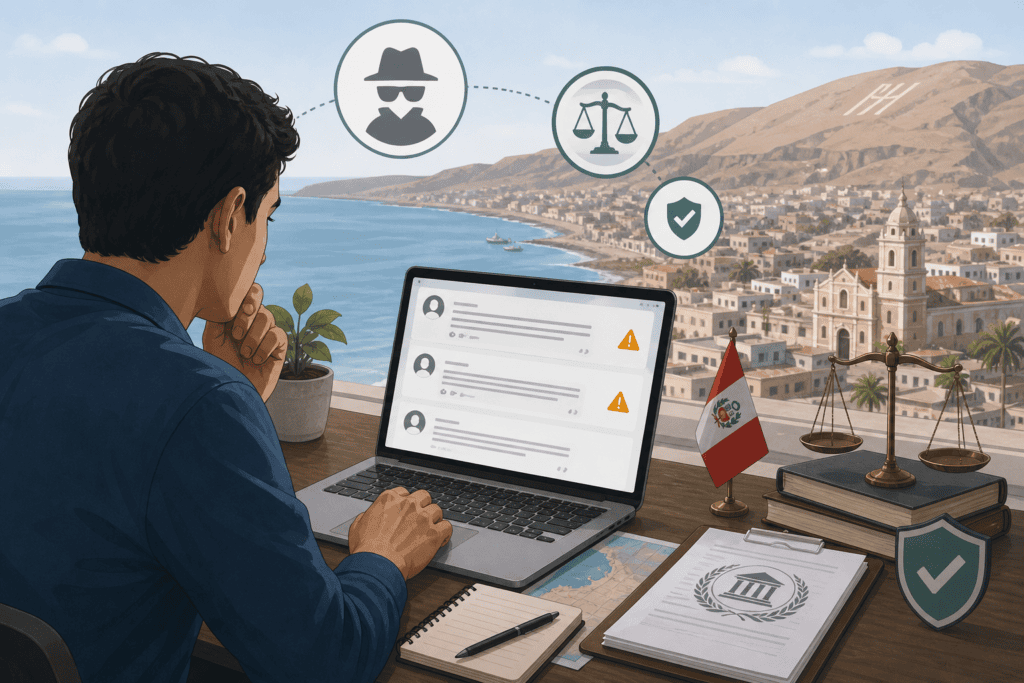
Separate independent experiences from promotion
Several accounts may appear to recommend the same source, but they could be controlled by one person or copied from another platform. Repeated wording, new accounts, urgent sales language, and requests to move immediately to an encrypted chat are warning signs. A recommendation is more credible when it acknowledges limitations and does not pressure readers to pay.
Check the location carefully
Advice about cannabis in Paita may actually refer to another city in the Piura region. Regional travel time, delivery claims, and local terminology can all be misleading. Do not share your home address, hotel name, identity documents, or live location with strangers to confirm a forum lead.
For broader regional context, readers can compare this site’s legal and safer guide to weed retailers in Piura and its discussion of weed-seller claims in Tumbes. These comparisons should be used to understand recurring risks, not to bypass local law or find an unverified seller.
Understanding cannabis laws in Paita and Peru
Local forum conversations cannot replace legal advice. Paita follows Peru’s national legal framework, and the legal status of a cannabis product can depend on its purpose, composition, authorization, and the circumstances of possession or sale. Recreational availability should not be assumed simply because people discuss it online.
For current public-health information, consult the Peruvian Ministry of Health. Product and medicines-related questions may also require checking the General Directorate of Medicines, Supplies and Drugs. These official institutions are more appropriate than anonymous posts for verifying medical access, authorized products, and applicable requirements.
Anyone considering cannabis for a health condition should speak with a licensed clinician. Forum users cannot reliably assess medication interactions, dosage, contraindications, pregnancy-related risks, mental-health concerns, or the suitability of cannabis for a particular diagnosis.
Medical and recreational claims are different
A post about medical cannabis in Paita may be referring to regulated medicines rather than informal flower or extracts. Medical use can involve a prescription, registration, professional supervision, or product-specific restrictions. Those requirements should be confirmed through official Peruvian sources and a healthcare provider.
Similarly, a claim that a product contains CBD does not automatically establish that it is legal, accurately labeled, or free from intoxicating cannabinoids. Product names and marketing terms are not substitutes for documentation.
Scam and personal-safety risks in forum discussions
Anonymous cannabis marketplaces create risks beyond legal uncertainty. Fraudsters may request an advance payment and disappear, send a different product, or use a fake delivery story to obtain more money. Others may impersonate community members, threaten to expose private conversations, or use a small initial transaction to build trust before demanding a larger payment.
Warning signs to take seriously
- Pressure to pay immediately or to use an irreversible payment method.
- Promises of guaranteed quality, guaranteed discretion, or unusually low prices.
- Requests for identity documents, passwords, banking details, or intimate photographs.
- Offers to meet in isolated places or demands that you travel alone.
- No verifiable business identity, lawful documentation, product information, or complaints process.
- Claims that official rules do not matter because “everyone does it.”
Do not attempt to test a seller’s credibility by sending money, arranging a meeting, or sharing sensitive information. If a conversation becomes threatening, preserve evidence, stop responding, and consider contacting the relevant platform and local authorities. If you may be in immediate danger, use local emergency services.
Privacy practices when reading or posting online
Even browsing a forum can expose more information than expected. Usernames may be connected across platforms, and photos can contain location data. Public comments can remain searchable after a group closes or a post is deleted.
- Use a strong, unique password and enable two-factor authentication where available.
- Avoid posting your address, workplace, travel schedule, phone number, or identifying photographs.
- Review privacy settings before joining local groups or direct-message channels.
- Do not download unknown files or follow shortened links from unverified accounts.
- Be skeptical of requests to install an app to “verify” a transaction or receive a delivery.
Privacy precautions do not make an unlawful transaction safe or legal. They simply reduce exposure to identity theft, harassment, and online fraud while you evaluate information.
Health considerations that forums often overlook
Online posts rarely provide dependable information about potency, contaminants, storage, or interactions with other substances. Unregulated cannabis may be mislabeled or contaminated, and inexperienced users may underestimate delayed effects, especially with edible products.
A person who has used cannabis and feels severe confusion, chest pain, difficulty breathing, loss of consciousness, extreme agitation, or persistent vomiting should seek urgent medical help. Do not rely on a forum to diagnose symptoms. Avoid driving or operating machinery after using an intoxicating substance, and do not combine cannabis with alcohol or other drugs.
A practical, lawful research checklist
If you encounter a discussion about where to buy weed in Paita, use the following checklist before taking any action:
- Identify what the post is actually discussing: medical cannabis, CBD, recreational cannabis, or something else.
- Check the date, location, and whether the writer provides verifiable context.
- Look for independent confirmation from official Peruvian health or regulatory sources.
- Reject requests for advance payment, personal documents, or secret meetings.
- Do not assume that a recommendation is legal, safe, tested, or still current.
- For medical needs, ask a qualified healthcare professional about lawful options.
- If the information cannot be verified, treat it as unreliable and move on.
This process may not produce a seller or a quick answer, and that is a useful outcome. Uncertainty is a reason to avoid an informal transaction, not a reason to take greater risks.
Conclusion
Online forums can reveal what people are saying about weed in Paita, but they cannot establish that a seller is legitimate or that a purchase is lawful. Anonymous recommendations, private messages, and social-media listings carry substantial risks involving scams, privacy, product quality, health, and legal consequences.
Use forums only as unverified background information. Confirm current rules through Peruvian government and health authorities, seek professional advice for medical questions, and avoid sharing personal information or sending money to unknown contacts. A cautious decision may mean not pursuing an informal source at all.

The Ziklane Editorial Team is dedicated to providing accurate, well-researched, and up-to-date information on cannabis laws and regulations around the world. Our content is created through careful research of publicly available legal sources, government publications, and reputable references to help readers better understand local cannabis legislation. We are committed to delivering educational, factual, and regularly updated content while encouraging readers to comply with the laws of their respective countries and regions.