
Discovering Weed in Kochi: A Glimpse into Japan’s Evolving Cannabis Conversation
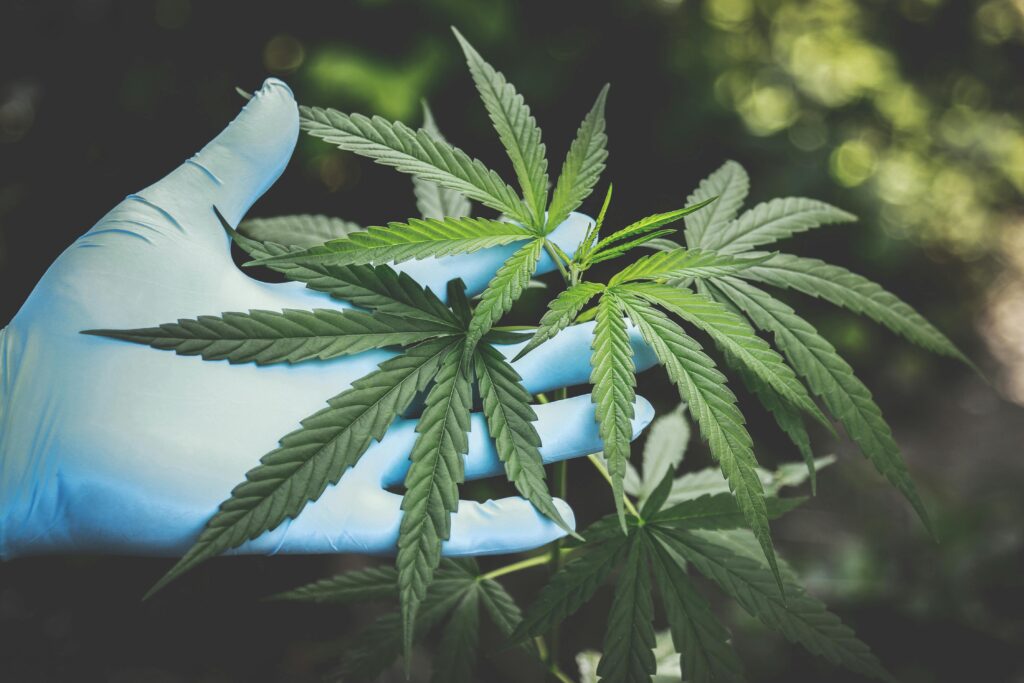
Famous for attractions like Kochi Castle, the historic Chikurin-ji Temple, and the bustling Hirome Market, Kochi has long been a popular destination for both locals and tourists seeking to experience authentic Japan. While it is celebrated for its scenic views and cultural landmarks, Kochi is also quietly becoming a part of a larger global conversation on cannabis, or “weed.”
Cannabis remains illegal in Japan, with strict laws prohibiting its use, cultivation, and distribution. Despite its controversial legal status, cannabis is gradually becoming a topic of conversation across the globe, with many countries now embracing its medicinal, recreational, and industrial benefits. Japan, with its conservative and cautious stance on the plant, has been slow to join this global shift. However, as the conversation on cannabis continues to evolve worldwide, even cities like Kochi could play a role in the changing landscape of cannabis in Japan. This article explores how the global perception of cannabis might influence Kochi and the broader future of cannabis in Japan on discover weed in Kochi.
Cannabis in Japan: The Legal and Cultural Context
Cannabis has a long, complicated history in Japan. However, after World War II, the Japanese government passed the Cannabis Control Law in 1948, under the influence of U.S. policy, making cannabis illegal for all uses. The law remains firmly in place today, and violations can result in severe penalties, including lengthy prison sentences. Cannabis-related issues continue to be highly stigmatized in Japan, with the plant being associated with illicit drug use and criminal behavior on discover weed in Kochi.
This legal framework, combined with societal perceptions, has led to a lack of open discussion on cannabis in Japan. However, as global trends shift, more people are beginning to question long-standing prohibitions on discover weed in Kochi.
Global Trends and the Changing Perception of Cannabis
Around the world, the conversation about cannabis is changing dramatically. In countries like Canada, the United States, and parts of Europe, cannabis has been legalized for both medical and recreational use, and its potential to treat conditions like chronic pain, anxiety, and epilepsy is gaining widespread recognition.
While Japan has been slower to embrace these developments, global trends are hard to ignore. More people around the world are open to the idea of cannabis not only as a recreational drug but also as a health remedy and eco-friendly resource.
Kochi’s Potential Role in the Cannabis Conversation
Kochi, like many parts of Japan, is currently not a hub for cannabis culture. However, should Japan shift its stance on cannabis, Kochi could potentially play a significant role in the cultivation of hemp, particularly for industrial purposes.
With Kochi’s agricultural expertise, especially in the cultivation of crops in Japan’s humid and fertile environment, the city could serve as a key region for hemp farming if Japan were to ease its cannabis laws. Given the global push for sustainable products and practices, hemp farming could offer a new economic avenue for Kochi, aligning with the region’s commitment to environmental sustainability.
Additionally, Kochi’s growing interest in wellness and traditional medicine could open doors for the development of CBD (cannabidiol)-based products. CBD, a non-psychoactive compound found in cannabis, is gaining popularity worldwide for its therapeutic benefits. If Japan were to relax its cannabis laws, Kochi could be an ideal location for the development and production of CBD-based wellness products, catering to a growing health-conscious market.
The Future of Cannabis in Kochi and Japan
Although cannabis remains illegal in Japan, the global shift toward legalization and the growing awareness of its potential benefits could lead to gradual changes in Japanese policy. By expanding its sustainable agricultural practices and exploring the possibilities of hemp-based products, Kochi could become a leader in Japan’s future cannabis industry.
Tourists seeking to explore Japan’s cannabis wellness offerings could find a welcoming and picturesque setting in Kochi.
Conclusion
The conversation surrounding cannabis in Japan is gradually shifting, and while it remains illegal, the global trend toward acceptance and the recognition of cannabis’s medicinal and industrial benefits may eventually influence Japan’s stance. Kochi, with its agricultural expertise, focus on sustainability, and growing wellness culture, could play a key role in the future of cannabis in Japan. As attitudes toward cannabis evolve globally, Kochi could become a central player in Japan’s emerging cannabis landscape, contributing to the cultivation of hemp, the development of CBD products, and the creation of a sustainable cannabis industry/discover weed in Kochi.
FAQs: Weed in Kochi Thuy (Vietnam)
1. Is cannabis legal in Kochi Thuy / Vietnam?
No — cannabis (marijuana) is illegal throughout Vietnam, including in Kochi Thuy. Possession, sale, cultivation, transport or use of cannabis are prohibited under national drug-control laws. (420 Place)
2. Does Vietnam allow medical cannabis or legal hemp / CBD products?
No — there is no legal program for medical marijuana in Vietnam for recreational or therapeutic use. Cannabis in any psychoactive form remains prohibited. (The Cannigma)
That said — some hemp-derived CBD products may be tolerated only if they come from industrial hemp and contain very low THC (typically under a strict THC threshold). (Leafwell)
3. Despite the prohibition — is cannabis sometimes found or used “on the ground” (e.g. in Kochi Thuy or other parts of Vietnam)?
There are reports that illicit use and sale of cannabis still occur in parts of Vietnam. (The Straits Times)
However — just because it may be found does not make it legal or safe. Possession or use remains a criminal offense under Vietnamese law. (420 Place)
4. What are the legal consequences if someone is caught with cannabis in Vietnam?
Cannabis-related offenses — including possession, use, transport, sale, or trafficking — are criminal offences under Vietnamese law. (The Cannigma)
Penalties vary depending on the amount and circumstances. Even small amounts can lead to prison or fines; larger amounts or trafficking can carry much harsher penalties, including potentially long prison sentences. (Eleven THC)
5. Are foreigners or visitors treated differently under the law compared to Vietnamese citizens?
No — drug laws apply equally to everyone in Vietnam, regardless of nationality. Foreigners caught with cannabis face the same legal risks as locals. (420 Place)
6. If someone offers “weed” or cannabis-derived products in Kochi Thuy — does that mean it’s legal or safe to accept?
No. Even if cannabis seems “available,” that does not make it legal or risk-free. Accepting, buying, or using cannabis remains illegal and carries serious legal risk.
7. Is there any sign that Vietnam might legalize or decriminalize cannabis soon (or relax rules) in places like Kochi Thuy?
As of the most recent information, Vietnam continues to enforce strict prohibition on recreational cannabis. There is no public plan or legal pathway toward legalizing recreational or medical cannabis. (Eleven THC)
Key Sources / Further Reading
- “Cannabis Laws in Vietnam: Prohibited with Strict Controls” — a clear overview that cannabis (possession, sale, transport, cultivation, use) is illegal nationwide under Vietnamese law. (420 Place)
- “Is Marijuana Legal in Vietnam? Find Out the Truth” — explanation that both recreational and medical cannabis are illegal; only limited hemp-derived CBD products (with strict THC limits) may be tolerated. (Leafwell)
“Best place to buy when you want a reliable, potent product, contact them on telegram Greenleafemporium1 and also through there email : greenleafemporium1@gmail.com
“I noticed a huge reduction in my anxiety after using their products highly recommended .”
Clean, smooth smoke — no harshness at all thank you.
I appreciate the discretion in packaging and delivery.
Some of the strongest concentrates I’ve tried in years.