
People searching for popular marketplaces to buy weed in Santa, Peru may encounter social-media accounts, messaging groups, informal sellers, and online advertisements. However, a listing or recommendation is not proof that a seller is licensed, that a product is authentic, or that a purchase is lawful. The safest approach is to understand Peru’s current rules, distinguish medical access from non-medical sales, and avoid unverified transactions.
This guide does not identify illegal sellers or provide instructions for obtaining cannabis outside regulated channels. Instead, it explains how to evaluate information, recognize common risks, and find reliable official guidance if you are researching weed in Santa, Peru. Because rules and enforcement can change, confirm current requirements with Peruvian authorities before making any decision.
Are there legal cannabis marketplaces in Santa?
There is no reliable basis for treating informal online listings or street vendors in Santa as authorized marketplaces. A website, social-media profile, delivery offer, or chat group can use professional branding without being a licensed business. Sellers may also misrepresent the contents, strength, origin, or safety of a product.
Peru’s cannabis framework is primarily associated with medicinal and therapeutic use rather than an unrestricted recreational retail market. That distinction matters. A person looking for cannabis in Santa should not assume that a marketplace offering flower, oils, edibles, or vape products is operating legally simply because it accepts online orders or delivers locally.
For current national information, consult the Peruvian Ministry of Health. Its official information is more dependable than anonymous listings, forwarded messages, or claims that a seller is “approved.” Local availability, documentation, and product requirements should be verified through official channels.
Understanding cannabis laws in Santa, Peru
The legal questions surrounding cannabis laws in Santa, Peru can involve the purpose of use, the type of product, the source, the amount, and whether the product is connected to a recognized medical pathway. Local geography does not create a separate recreational marketplace. Rules applying in Santa generally sit within Peru’s national legal and health framework.
Medical use is different from recreational purchasing
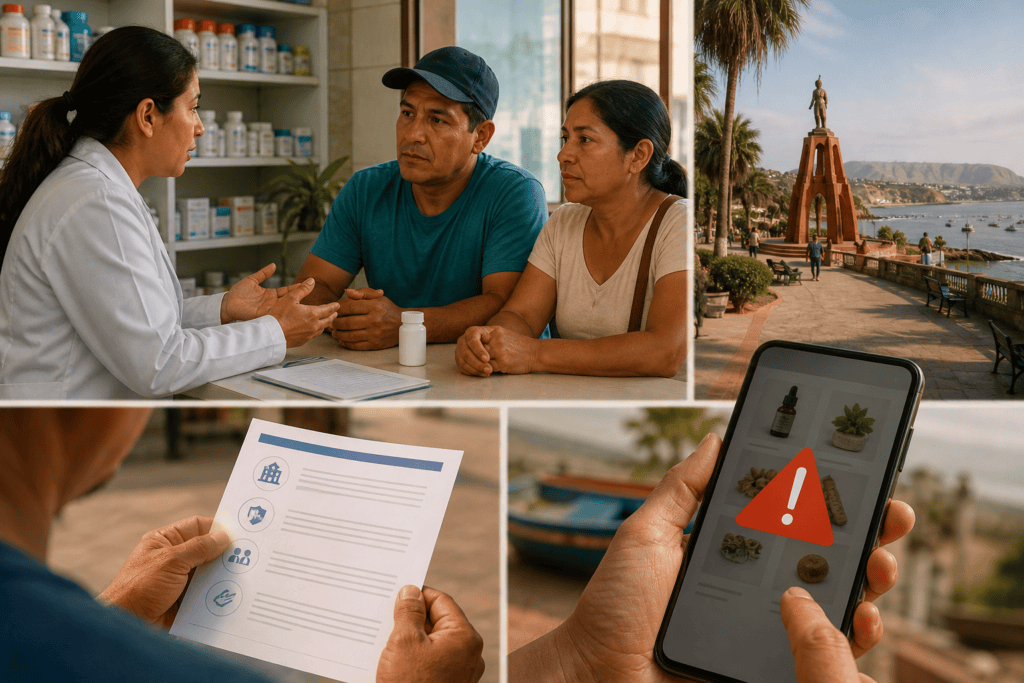
Medical cannabis in Santa, Peru should be approached through a qualified health professional and an authorized supply route. A clinician can assess whether a cannabis-based treatment is appropriate, discuss possible interactions, and explain how to use a product safely. This is especially important for people taking sedatives, antidepressants, seizure medicines, anticoagulants, or other prescription drugs.
A medical claim made by an online seller is not the same as medical authorization. Be cautious when a vendor promises to treat cancer, anxiety, chronic pain, epilepsy, or another condition without asking about your health history. Cannabis products can produce unwanted effects, and self-treatment may delay care for an underlying condition.
Possession and sale are not the same issue
People sometimes rely on simplified statements about personal possession to justify buying from an informal seller. That is unsafe reasoning. Rules concerning possession, production, distribution, importation, and sale can differ, and the circumstances of a particular case may matter. A claim that “small amounts are allowed” does not establish that a seller, delivery service, or marketplace is legal.
For legal interpretation, use official Peruvian information rather than a seller’s explanation. The Peruvian government’s official portal is a useful starting point for locating current public information and identifying the appropriate agency for a question about health, licensing, or legal requirements.
Why informal marketplaces are difficult to verify
Search results for popular marketplaces to buy weed in Santa, Peru may mix legitimate-looking businesses with anonymous accounts. Several warning signs are common:
- No verifiable business identity: The seller does not provide a legal business name, physical location, registration details, or a way to resolve a complaint.
- Unverifiable medical claims: The listing promises guaranteed relief or describes a product as a cure.
- No product information: There is no clear ingredient list, batch information, expiry date, testing information, or storage guidance.
- Pressure to pay quickly: The seller demands an advance transfer, cryptocurrency, gift card, or unusual payment before answering basic questions.
- Requests for sensitive data: The account asks for identity documents, banking credentials, passwords, or unnecessary personal details.
- Delivery secrecy: The seller insists on coded language, changing meeting points, or methods designed to conceal the transaction.
- Inconsistent communication: Prices, product names, and availability change frequently, or the account disappears after payment.
These signs do not prove that a specific account is criminal, but they indicate that the buyer has no dependable way to verify quality, legality, or accountability. A polished logo and positive comments can also be fabricated.
How to research cannabis safely in Santa
If you are researching cannabis in Santa, Peru, begin with the question of purpose. If the interest is medical, write down your symptoms, current medicines, previous treatments, and relevant health conditions before speaking with a clinician. Do not rely on a seller to determine dosage or diagnose a condition.
Next, check whether any proposed product is connected to a recognized medical or regulated channel. Look for official documentation, transparent labeling, and a legitimate organization that can answer questions about the product. If those details cannot be independently confirmed, treat the offer as unverified and avoid sending money or personal information.
It can also help to compare the type of information presented by different sources. A trustworthy health resource will explain limitations and risks rather than promising immediate results. It will not pressure you to buy through a private account, and it will direct you toward professional advice when a medical issue is involved.
Questions to ask before considering a regulated product
- Is the product intended for a recognized medical use?
- Who is responsible for manufacturing or distributing it?
- Does the packaging identify ingredients, concentration, batch details, and expiry information?
- Can a qualified health professional explain potential benefits, risks, and interactions?
- Is there an official route for reporting an adverse reaction or defective product?
- Are the seller’s licensing and authorization claims independently verifiable?
If the answer to several of these questions is no, the product should not be treated as safe or legally established. In particular, unknown edibles and concentrated oils can be difficult to evaluate because their potency and ingredients may not be obvious.
Health and personal safety considerations
Cannabis can affect attention, reaction time, memory, coordination, mood, and perception. Combining it with alcohol or sedating medicines can increase impairment. Driving, operating machinery, swimming alone, or making important decisions after using an intoxicating product can create serious risks.
Extra caution is appropriate for adolescents, pregnant or breastfeeding people, anyone with a history of psychosis or severe mood symptoms, and people with cardiovascular or neurological conditions. A healthcare professional can help determine whether cannabis may be unsuitable or whether another treatment would be safer.
If someone experiences severe confusion, chest pain, difficulty breathing, a seizure, loss of consciousness, or extreme agitation after using a cannabis product, seek urgent medical help. Keep unknown products away from children and pets, and do not transfer them into unlabelled food containers.
Using related local guides responsibly
Local search results can be useful for understanding the questions people ask, but they should not be mistaken for proof of lawful sellers. For comparison, readers may review our legal and safety guide to cannabis marketplace searches in San Martín de Pangoa or our guide to marketplace claims in Miramar–Alto Salaverry. These types of guides are most useful when they encourage verification and risk awareness rather than directing readers to anonymous vendors.
Readers looking at medical or legal questions in other parts of Peru can also compare the approach in our guide to trusted seller claims in Cutervo. The same principle applies in Santa: a local name, customer testimonial, or delivery promise cannot replace official confirmation.
What to do if you encounter a suspicious listing
Do not send payment simply to test whether an account is genuine. Save the public listing or relevant messages if you need to report suspected fraud, but avoid confronting the seller or publishing private personal information. Contact your bank promptly if money has already been transferred, and use the platform’s reporting tools where appropriate.
For a health concern, speak with a licensed clinician or seek urgent care when symptoms are severe. For a legal concern, consult a qualified Peruvian legal professional or the relevant public authority. These routes are more reliable than asking an anonymous marketplace administrator to interpret the law.
Conclusion
There is no dependable reason to assume that an online account or informal vendor in Santa is an authorized cannabis marketplace. People researching popular marketplaces to buy weed in Santa, Peru should focus instead on the legal distinction between medical access and recreational sales, official verification, product transparency, and personal safety.
For medical cannabis in Santa, Peru, begin with professional healthcare advice and current government information. Avoid sellers that promise cures, hide their identity, demand unusual payment, or cannot provide verifiable product details. Taking a slower, evidence-based approach reduces the risk of fraud, unsafe products, legal problems, and preventable health complications.

The Ziklane Editorial Team is dedicated to providing accurate, well-researched, and up-to-date information on cannabis laws and regulations around the world. Our content is created through careful research of publicly available legal sources, government publications, and reputable references to help readers better understand local cannabis legislation. We are committed to delivering educational, factual, and regularly updated content while encouraging readers to comply with the laws of their respective countries and regions.