
Searching for the best deals on weed in Tingo María can quickly lead to unreliable advertisements, counterfeit products, or illegal transactions. Rather than pointing readers toward unverified sellers, this guide explains how to assess cannabis information responsibly, understand the legal context in Peru, and reduce avoidable health and personal-safety risks.
For anyone researching weed in Tingo María, the most important question is not simply whether a product is cheap. It is whether its origin, contents, intended use, and legal status can be verified. In a city where informal offers may circulate through social media or private messages, caution is more valuable than a discount.
What to know before looking for cannabis in Tingo María
Tingo María is in the Huánuco region, and local availability does not change Peru’s national legal framework. A seller’s claim that a product is “safe,” “imported,” or “medical” is not proof that the product is authorized. Informal cannabis may have unknown potency, contaminants, inaccurate labeling, or a different substance from what was advertised.
The phrase cannabis in Tingo María can refer to several different things: a regulated medical product, a discussion about personal use, an unverified retail offer, or a general question about local law. Those situations should not be treated as interchangeable. A responsible search begins by identifying the purpose of the product and checking official information before considering any purchase.
Why the lowest price can be the riskiest option
Unusually low prices can indicate poor storage, diluted or substituted material, old stock, or an attempt to move a product without accountability. Cannabis sold through informal channels generally lacks a dependable chain of custody and may not include independent testing. Packaging alone is also easy to copy, so a label or logo does not establish authenticity.
- Do not assume a low price means good value.
- Do not rely on anonymous reviews, screenshots, or disappearing social-media accounts.
- Do not purchase a product when the seller refuses to explain its source or intended use.
- Do not combine an unknown cannabis product with alcohol, sedatives, or other drugs.
Cannabis laws in Tingo María: the legal questions that matter
There is no separate Tingo María cannabis market with its own independent rules. Questions about possession, supply, cultivation, transport, and medical use should be assessed under Peruvian law and, where necessary, with advice from a qualified Peruvian professional. Rules can change, and an online summary may omit important conditions or exceptions.
For a reliable starting point, consult the Peru Ministry of Health information portal for health-related guidance and official announcements. You can also review general public information through the Peruvian government services portal. These sources are more dependable than a seller’s interpretation of the law.
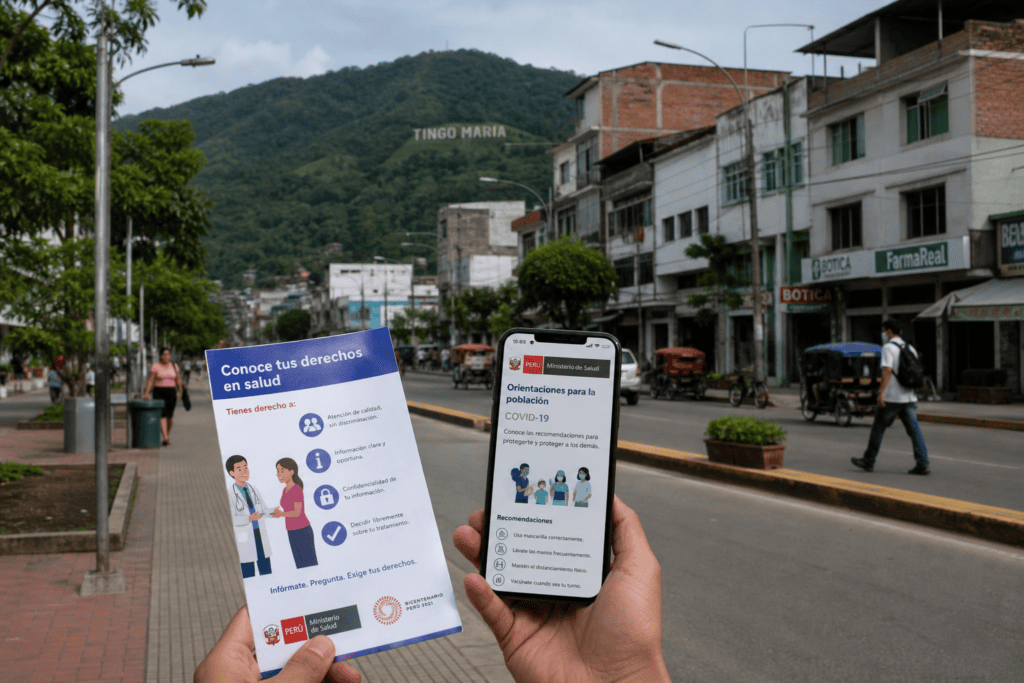
Readers should be especially careful with claims that a product is automatically legal because it is described as hemp, CBD, medicinal, or locally produced. Legal status may depend on composition, authorization, documentation, labeling, and the specific activity involved. If a decision could affect employment, travel, immigration, or criminal liability, obtain advice from a licensed Peruvian lawyer rather than relying on a commercial post.
Medical cannabis in Tingo María: a safer route for health needs
People searching for medical cannabis in Tingo María should begin with a licensed healthcare professional. A clinician can discuss symptoms, existing diagnoses, current medicines, possible interactions, and treatments with stronger evidence for the condition involved. Cannabis is not risk-free, and it may be inappropriate for some people, including those with particular mental-health, cardiovascular, pregnancy-related, or medication-related concerns.
A medical consultation can also help separate a genuine treatment question from a marketing claim. Be skeptical of promises that cannabis will cure cancer, replace prescribed medicine, treat every form of pain, or produce guaranteed results. A product sold as “natural” can still cause impairment, side effects, and interactions.
Questions to ask a healthcare professional
- What symptom or condition is being treated?
- What evidence supports cannabis for that purpose?
- Could it interact with current prescriptions or alcohol?
- What effects should lead to stopping use and seeking help?
- Is the product legally available through an authorized channel?
- How should impairment affect driving, work, childcare, or operating equipment?
For readers comparing regional information, our guide to cannabis questions in Huánuco provides related safety and legal considerations. It should complement, not replace, professional medical or legal advice.
How to evaluate a cannabis offer without chasing a bargain
This article does not identify sellers or provide instructions for arranging an illicit purchase. However, the following checklist can help readers recognize warning signs while researching lawful options or deciding whether an online claim is trustworthy.
- Look for accountable information. A legitimate health or legal resource should identify the organization responsible for its guidance, explain its scope, and avoid exaggerated promises.
- Separate medical claims from advertising. Words such as “doctor-approved,” “pharmaceutical grade,” or “100% safe” should be supported by verifiable documentation, not just a product photograph.
- Check whether the route is authorized. If an offer depends on secrecy, cash-only payment, an anonymous courier, or a private meeting, treat that as a serious warning sign.
- Protect personal information. Do not send identity documents, home details, banking credentials, or intimate photographs to an unverified account.
- Reject pressure tactics. Countdown discounts, limited-time deliveries, referral bonuses, and demands for immediate payment are common signs of an unsafe transaction.
- Keep records of official advice. Save the name of a clinic, professional, or government office consulted, along with the date and the guidance received.
Common red flags in local cannabis listings
Listings that promise the “best price in Tingo María” often provide too little information to assess quality. A credible health-related product should not require buyers to guess its ingredients, strength, storage conditions, or legal route. Anonymous sellers may also change phone numbers frequently, remove negative comments, or use stock images rather than photographs of the actual packaging.
- Guaranteed medical results or claims to cure serious illness.
- No batch information, ingredient details, expiry date, or responsible manufacturer.
- Instructions to hide the transaction from family, clinicians, authorities, or payment providers.
- Delivery arrangements that involve isolated locations or pressure to meet alone.
- Requests for cryptocurrency, gift cards, advance transfers, or unusual payment methods.
- Products offered alongside pills, powders, or other substances with unclear identities.
If you encounter a suspected scam, preserve messages and payment records, stop communicating if you feel threatened, and report the incident through appropriate local authorities or your financial provider. Do not attempt to confront a suspected seller personally.
Safer alternatives to searching for the best deals on weed in Tingo María
A better approach is to define the underlying need. Someone looking for pain relief may need a medical assessment, physiotherapy, or a review of an existing prescription. Someone seeking help with sleep may benefit from an evaluation of stress, sleep apnea, medication effects, or other causes. Someone researching cannabis out of curiosity can use public-health and government resources instead of anonymous sales channels.
For regional comparison, you may also read our safety-focused guide to cannabis searches in Tarapoto. A different city does not necessarily mean different national rules, but comparing guidance can reveal recurring risks associated with informal offers.
If you decide to speak with a professional
- Write down your symptoms, goals, and relevant medical history before the appointment.
- Bring a complete list of medicines, supplements, and substances you use.
- Ask about non-cannabis alternatives and the strength of evidence for each option.
- Request clear instructions about impairment, storage, follow-up, and warning signs.
- Confirm whether any proposed product and supply route are authorized in Peru.
Practical safety advice for visitors and residents
Visitors should not assume that informal cannabis activity is tolerated because it appears common online or because another traveler reports a positive experience. Avoid carrying unknown products across regional or international borders. Do not drive after using cannabis, and do not accept products from strangers at lodging, nightlife venues, transport hubs, or tourist attractions.
Keep children and pets away from cannabis products, particularly edibles, oils, and concentrates. If someone experiences severe confusion, extreme anxiety, chest pain, difficulty breathing, loss of consciousness, or a suspected poisoning, seek urgent medical help. Tell healthcare workers what was taken if known; accurate information can improve emergency care.
Conclusion: prioritize verification over price
There is no dependable way to identify the best deals on weed in Tingo María from anonymous listings alone. A low price cannot establish quality, legality, or safety, and an attractive advertisement may conceal substantial personal and health risks. The responsible path is to verify information through official sources, consult licensed professionals for medical questions, and avoid sellers who demand secrecy or provide no accountable documentation.
Whether you are researching weed in Tingo María, asking about cannabis laws in Tingo María, or considering medical cannabis guidance in Tingo María, the same principle applies: make decisions based on verified information rather than urgency, testimonials, or discounts.

The Ziklane Editorial Team is dedicated to providing accurate, well-researched, and up-to-date information on cannabis laws and regulations around the world. Our content is created through careful research of publicly available legal sources, government publications, and reputable references to help readers better understand local cannabis legislation. We are committed to delivering educational, factual, and regularly updated content while encouraging readers to comply with the laws of their respective countries and regions.