
If you are searching for How to find weed vendors in Tripoli, Greece 2026, start with an important distinction: finding an illegal seller is not the same as finding a lawful source of cannabis-based medicine or a compliant hemp product. Unlicensed sales can expose you to criminal, financial, health, and personal-safety risks. This guide does not identify street dealers, private sellers, social-media accounts, or informal delivery services. Instead, it explains how to approach weed in Tripoli through legal channels, how to check product claims, and what to do when a seller’s offer appears suspicious.
Tripoli usually refers to the city in Arcadia, in the Peloponnese. If you are travelling elsewhere or mean Tripoli in another country, confirm the location before relying on local information. Rules can also change, so check current Greek guidance before buying, carrying, using, or transporting any cannabis-related product.
How to find weed vendors in Tripoli, Greece 2026 without breaking the law
The safest starting point is not a street search or a message board. First decide what type of product you are actually looking for. Greek law distinguishes between controlled cannabis, pharmaceutical preparations, and products made from permitted hemp ingredients. Those categories are not interchangeable, and a product labelled “CBD,” “hemp,” or “natural” is not automatically legal or risk-free.
For a medical need, speak with a qualified doctor and ask whether an approved cannabis-based medicine is appropriate. If a prescription is issued, use a legitimate pharmacy or the dispensing route specified by the healthcare provider. Do not assume that a shop, website, or social-media seller can lawfully supply prescription medicine simply because it uses medical language.
For non-intoxicating hemp products, check the label, ingredients, seller identity, and applicable restrictions before purchasing. A responsible retailer should be able to explain what the product contains, where it came from, and whether it is intended for food, cosmetics, or another permitted use. If the seller avoids basic questions, move on.
Understanding cannabis in Tripoli and Greece
Searching for cannabis in Tripoli can produce mixed results because online listings often combine legal products with advertisements for prohibited substances. Search results, messaging groups, and user reviews are not proof that a vendor is licensed. They may also be outdated, misleading, or designed to collect money or personal information.
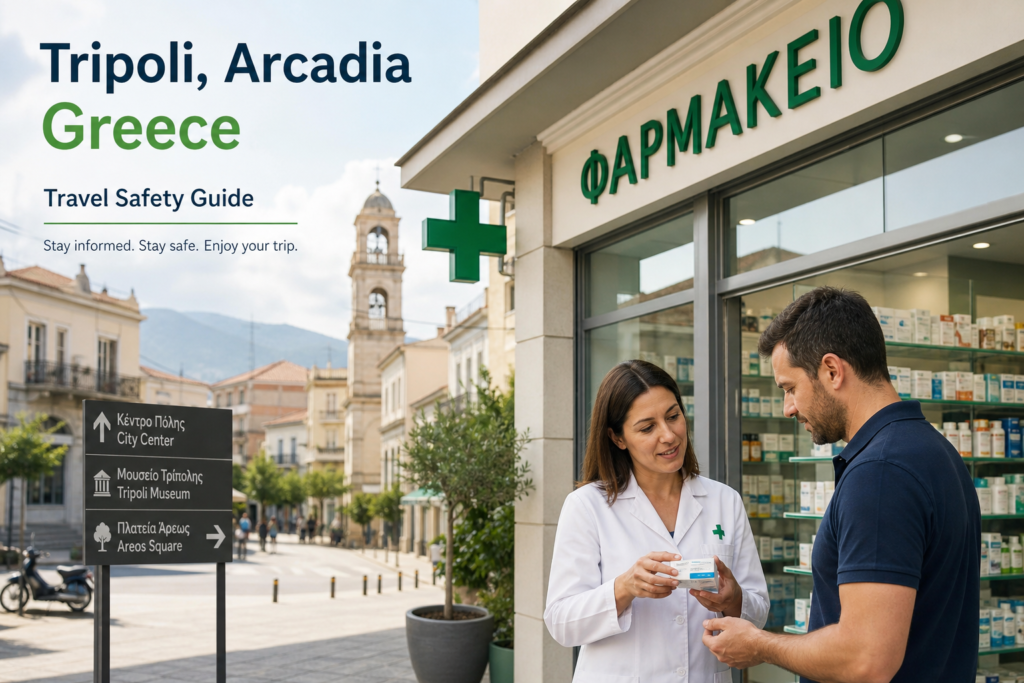
Greek cannabis rules depend on the substance, formulation, intended use, possession, and supply method. A product that is lawful in one category may be unlawful in another. There can also be rules affecting advertising, shipping, age checks, labelling, and possession in public. For current regulatory information, consult the Greek National Organization for Medicines and the Greek Ministry of Health rather than relying on anonymous online advice.
Medical cannabis is not the same as recreational supply
People searching for medical cannabis in Tripoli should treat the process as a healthcare matter. Discuss symptoms, existing conditions, medications, allergies, and previous treatment with a clinician. Cannabis-based treatment may not be suitable for everyone, and a doctor or pharmacist can explain approved options, administration, potential side effects, and interactions.
Never buy a medicine from a person who offers to arrange a prescription, asks you to bypass a pharmacy, or promises a guaranteed medical result. Prescription documents, packaging, and product names can be forged. If you receive a product through a legal medical route, keep the original packaging and follow the instructions provided by the healthcare professional.
How to evaluate a legal retailer or pharmacy
A legitimate business should make its identity reasonably clear. Before paying, look for a real business name, physical contact details, transparent terms, and a clear explanation of which products it is allowed to sell. For medicines, ask a pharmacist how the product is supplied and whether a prescription is required. A business that refuses to answer ordinary compliance questions should not receive your money.
Questions worth asking
- What is the exact product name and intended use?
- Is it a medicine, a cosmetic, a food supplement, or another type of product?
- Does the product have a complete ingredient list and batch information?
- Can the seller explain the applicable age, prescription, and delivery requirements?
- Is there a receipt and a customer-support contact?
- What are the storage instructions and expiry date?
These checks cannot guarantee product quality, but they help separate accountable businesses from anonymous sellers. Be especially cautious when a seller uses only a first name, communicates through an encrypted chat account, or insists on meeting in a secluded place.
Warning signs of illegal or fraudulent vendors
People looking for weed in Tripoli may encounter offers that appear convenient but create serious risks. Common warning signs include unusually low prices, pressure to pay immediately, requests for cryptocurrency or gift cards, and claims that a product is “legal everywhere.” Other concerns include no ingredients, no batch details, no receipt, and refusal to discuss the product’s legal category.
- Upfront payment pressure: A seller demands full payment before providing basic information or then asks for additional “delivery” or “release” fees.
- Guaranteed effects: The product is promoted as a certain cure for pain, anxiety, insomnia, or another condition.
- Unverified potency: The seller gives a precise strength but cannot provide credible packaging or testing information.
- Discreet illegal delivery: The offer focuses on avoiding detection rather than describing a lawful product.
- Identity harvesting: The seller asks for unnecessary identification, intimate images, banking credentials, or access to accounts.
- Inconsistent details: The brand, label, invoice, and online description do not match.
Do not attempt to test an unknown product by taking a small amount. Unlabelled cannabis products may contain unexpected substances or a different concentration than advertised. If someone experiences severe confusion, chest pain, loss of consciousness, breathing difficulty, or another emergency after using a product, contact emergency services and provide honest information about what may have been taken.
Safer steps for visitors and residents
Visitors should not assume that a prescription or purchase made in another country automatically permits possession in Greece. Transporting cannabis across borders can create additional legal problems even when the product was obtained lawfully elsewhere. Keep medicines in their original packaging and obtain country-specific advice before travelling with any controlled medicine.
Residents should avoid carrying cannabis in public, sharing products, or accepting packages for another person. Do not drive or operate machinery after using an intoxicating substance. Combining cannabis with alcohol, sedatives, or other drugs can increase impairment and health risks.
If you are comparing information about nearby areas, guides such as legal and safer cannabis guidance for Lamia can illustrate the same verification principles. The location changes, but the need to distinguish licensed medical supply from informal sales remains the same. You may also find useful general safety context in this guide to cannabis purchasing questions in Kalamata; neither article should be treated as a directory of illegal vendors.
What to do if you have already contacted a suspicious seller
Stop communicating if the person threatens you, demands more money, or asks for sensitive information. Do not meet them alone and do not confront them. Save messages, payment records, usernames, telephone numbers, and website addresses in case you need to report fraud or harassment. Contact your bank or payment provider quickly if money has been sent, and contact Greek authorities if there is a credible threat, extortion attempt, or immediate danger.
If the concern is about a product, retain its packaging and receipt without using it further. A pharmacist, doctor, poison-control service, or emergency professional can advise you on the appropriate next step. Avoid posting unverified accusations online, since incorrect claims can create additional legal problems.
A practical checklist for cannabis-related purchases
- Identify whether you need medical treatment, a permitted hemp product, or general information.
- Check current Greek rules through official institutions.
- Use a qualified healthcare professional for medical questions.
- Choose an accountable pharmacy or retailer with clear business details.
- Inspect labels, ingredients, batch information, expiry dates, and receipts.
- Reject sellers who promise illegal delivery, guaranteed effects, or secrecy.
- Do not share unnecessary personal or financial information.
- Store any lawful medicine as directed and keep it away from children and pets.
- Seek urgent help for serious symptoms or suspected poisoning.
Conclusion
Searching for cannabis laws in Tripoli is more useful than searching for anonymous vendors. In 2026, the responsible approach is to confirm the current rules, use medical channels when treatment is involved, and buy only clearly identified products from accountable businesses. There is no reliable shortcut around licensing, prescriptions, labelling, and professional advice. If a vendor asks you to ignore those safeguards, the safest decision is to leave the transaction and seek guidance from an official or healthcare source.

The Ziklane Editorial Team is dedicated to providing accurate, well-researched, and up-to-date information on cannabis laws and regulations around the world. Our content is created through careful research of publicly available legal sources, government publications, and reputable references to help readers better understand local cannabis legislation. We are committed to delivering educational, factual, and regularly updated content while encouraging readers to comply with the laws of their respective countries and regions.