
If you are searching for where to find weed sellers in Kogalym, it is important to understand that buying, possessing, or distributing cannabis through informal channels can create serious legal and personal risks. I cannot help locate sellers, dealers, private groups, delivery services, or other routes for obtaining illegal drugs. I can, however, explain the risks involved, how to identify safer lawful options, and where to seek confidential medical or support services.
Questions about weed in Kogalym may come from many situations: curiosity, pressure from friends, difficulty sleeping, chronic pain, anxiety, or an attempt to manage an existing health problem. The safest response is not to rely on an unverified seller. Products sold outside regulated medical or legal systems may contain an unknown substance, unpredictable strength, or contaminants that can make a health problem worse.
Why looking for cannabis sellers in Kogalym is risky
Unregulated drug markets provide no dependable way to verify what a product contains. A package described as cannabis may contain a different plant, synthetic cannabinoids, chemical residues, or another drug entirely. Appearance, smell, and a seller’s claims cannot establish safety or potency.
Informal sellers also have no reliable obligation to provide accurate dosage guidance, warnings about interactions, or help if someone becomes unwell. Products may be deliberately mislabelled, diluted, or mixed with substances that increase the risk of panic, confusion, loss of consciousness, cardiovascular symptoms, or other medical emergencies.
Legal exposure
Russian drug laws are strict, and the legal consequences depend on factors such as the substance, quantity, conduct, and circumstances. Possession, acquisition, transportation, and distribution can all create legal exposure. Sending money to an anonymous account, joining a private channel, or arranging a meeting does not remove that risk.
For current official information, consult the official website of the Ministry of Internal Affairs of Russia. This article is general information, not individual legal advice. If you are concerned about a particular incident, speak with a qualified lawyer rather than relying on messages from sellers or social-media posts.
Personal safety and exploitation
People searching for cannabis in Kogalym may be targeted by fraudsters. Common patterns include demands for advance payment, repeated requests for additional fees, fake “safe delivery” charges, threats after payment, and attempts to collect passport details, bank information, or compromising photographs. Meeting an unknown person to buy a controlled substance can also expose someone to robbery, coercion, assault, or arrest.
Do not share identity documents, banking credentials, home-access details, or intimate images with an alleged seller. Do not carry packages for someone else, store unknown substances, or allow an unfamiliar person to use your home or vehicle for a transaction.
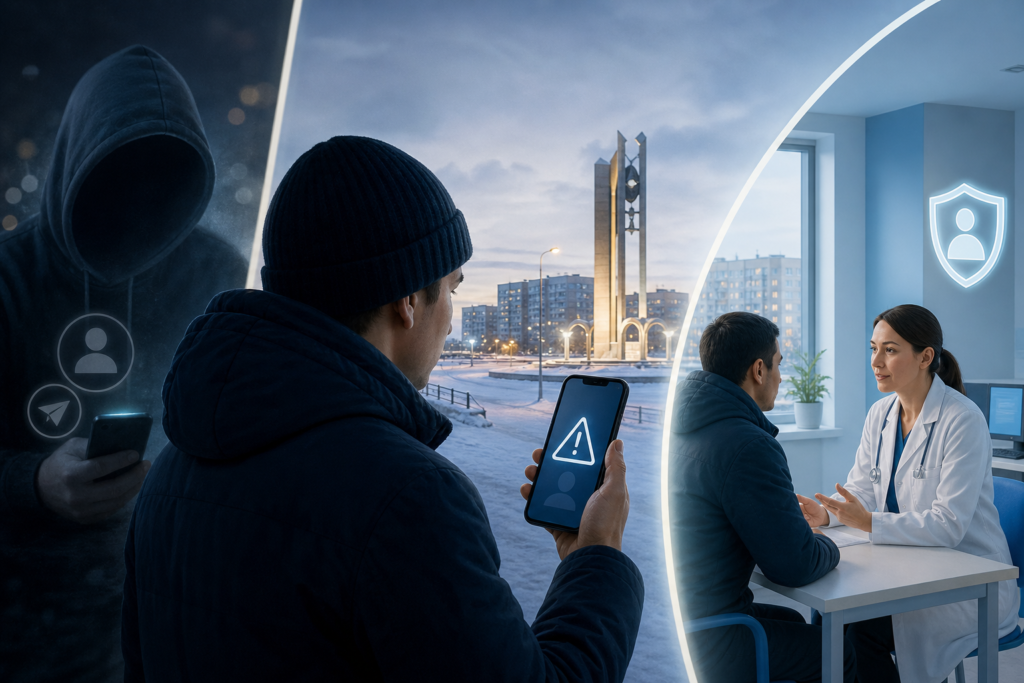
Cannabis laws in Kogalym and the importance of local context
There is no separate local market that makes prohibited drugs safe or lawful. Kogalym is in Russia, so national rules are central when considering cannabis laws in Kogalym. Online claims that cannabis is “legal,” “decriminalized,” or available through a special local arrangement should be treated cautiously unless they come from a current official source or qualified legal professional.
Rules can also differ between possession, cultivation, preparation, sale, and medical use. A person who is considering cannabis for a health condition should not assume that a foreign prescription, online certificate, or seller’s recommendation has legal effect in Russia. Avoid transporting cannabis or cannabis products across borders, through airports, or between regions without verified legal advice.
Safer alternatives to buying weed in Kogalym
If your reason for searching for cannabis in Kogalym is a symptom or diagnosed condition, start with a licensed healthcare professional. A doctor can assess the cause of the symptom, review current medicines, and discuss treatments that are lawful and medically appropriate. This is safer than using an unknown product with an uncertain dose.
For pain, sleep, anxiety, or appetite concerns
Keep a short record of the problem before an appointment. Note when it began, how often it occurs, what makes it better or worse, and which medicines or supplements you already use. Include alcohol, sedatives, stimulants, and products purchased online, because combinations may create additional risks.
- Pain: Ask about the cause, non-drug treatments, physical therapy, and approved medicines.
- Sleep: Discuss sleep routines, breathing problems, stress, and medicines that may be affecting rest.
- Anxiety: A doctor or mental-health professional can assess anxiety, panic, depression, trauma, or substance-related symptoms.
- Loss of appetite or nausea: These symptoms may require evaluation for an underlying illness rather than self-treatment with cannabis.
Be honest with a clinician about any cannabis or other substance already used. Medical confidentiality rules and procedures vary, but accurate information helps professionals make safer decisions. If you are worried about judgment, say so at the beginning of the appointment and ask what information will remain private.
For someone considering “medical cannabis in Kogalym”
Medical cannabis rules are not the same worldwide. A product marketed as medical cannabis online may not be an approved medicine, and an overseas recommendation may not authorize possession or use in Russia. Ask a licensed clinician or qualified lawyer about the current position before importing, ordering, carrying, or using any cannabis-related product.
Do not replace prescribed treatment with an internet product without speaking to the prescriber. Stopping medicines suddenly can also be harmful, particularly with treatments for seizures, mental-health conditions, pain, or sleep.
How to respond to an online seller or suspicious offer
If someone has contacted you about selling cannabis, the safest approach is not to continue the transaction. Do not negotiate, send payment, arrange a meeting, or forward the offer to other people. Save only the information needed for a report, then block the account if appropriate.
- Do not click unknown payment or tracking links.
- Do not provide your full name, address, passport details, bank credentials, or verification codes.
- Do not collect or resell a package for another person.
- Keep screenshots or transaction records if you need to report fraud or threats.
- Contact your bank promptly if you have sent money or disclosed financial information.
- Contact local law enforcement if there are threats, extortion, violence, or immediate danger.
If you have received a package containing an unknown substance, do not taste, smell closely, open unnecessarily, or handle it more than needed. Keep children and pets away, wash your hands after accidental contact, and seek official emergency guidance if exposure has occurred.
What to do if someone becomes unwell
Call emergency services immediately if a person has trouble breathing, chest pain, a seizure, severe agitation, loss of consciousness, extreme confusion, repeated vomiting, or cannot be awakened. In Russia, 112 is the general emergency number. Give responders the clearest information available about what may have been taken, when it was taken, and approximately how much, if known.
While waiting for help, stay with the person, move dangerous objects away, and place an unconscious but breathing person on their side if you can do so safely. Do not force food or drink, induce vomiting, or give alcohol or another drug to “counteract” the effects. If the person is violent or you feel unsafe, keep a safe distance and tell the dispatcher.
For dependable public-health background on cannabis effects and potential risks, read the World Health Organization information on cannabis health effects. It can help separate evidence-based guidance from claims made by anonymous sellers.
Getting support without stigma
Seeking help for substance use does not require waiting for a crisis. A person may benefit from support even if they use rarely, are unsure what they took, or have only noticed financial, relationship, work, sleep, or mood problems. A licensed doctor, addiction specialist, psychologist, or local healthcare service can discuss next steps.
If you are helping a friend, focus on safety rather than accusation. Choose a calm moment, describe what you have observed, ask what support they want, and encourage professional care. Do not drive with someone who is impaired, hide dangerous substances, or promise secrecy when there is an immediate risk of harm.
People who are being threatened by a seller should prioritize personal safety. Tell a trusted person, avoid meeting the individual, preserve relevant messages, and contact emergency or law-enforcement services if threats are immediate. Extortion is not a reason to send more money or provide additional personal information.
Conclusion: choose lawful and verifiable help
The safest answer to the question of where to find weed sellers in Kogalym is not a location or contact. Unregulated sellers can expose buyers to unknown substances, fraud, violence, and serious legal consequences. If you are looking for weed in Kogalym because of a health concern, speak with a licensed clinician about lawful treatment options. If a seller has threatened you, document the contact and seek help rather than continuing the transaction. Reliable medical care, official legal information, and emergency services are safer sources of support than anonymous drug markets.

The Ziklane Editorial Team is dedicated to providing accurate, well-researched, and up-to-date information on cannabis laws and regulations around the world. Our content is created through careful research of publicly available legal sources, government publications, and reputable references to help readers better understand local cannabis legislation. We are committed to delivering educational, factual, and regularly updated content while encouraging readers to comply with the laws of their respective countries and regions.