
Searching for the best weed deals in Kungur may seem like a simple way to compare prices, but buying cannabis through informal sellers, anonymous accounts, or street contacts can create serious legal, financial, and personal risks. In Russia, cannabis is not a generally legal recreational product, and an attractive price does not make an unlicensed transaction safe.
This guide does not provide sellers, locations, delivery contacts, prices, or instructions for obtaining illegal drugs. Instead, it explains how to evaluate the risks of weed in Kungur, recognize common scams, understand the importance of Russian drug laws, and find safer sources of information and support.
Why the best weed deals in Kungur are not a safe shopping category
Legitimate retail markets normally provide licensing, product testing, age controls, labeling, receipts, and a clear way to report problems. Illegal cannabis sales generally provide none of these protections. A low advertised price may conceal poor-quality material, contamination, theft, extortion, or a payment scam.
There is also no reliable consumer-protection process for an illegal purchase. If a seller takes money and disappears, sends a different substance, or threatens the buyer, reporting the incident can feel difficult. Contact with a seller may also expose personal information, home addresses, phone numbers, photographs, or payment details.
For those reasons, comparing anonymous cannabis offers in Kungur is not comparable to comparing prices at licensed pharmacies or ordinary shops. The safest answer to the search for the best deal is to avoid unlicensed transactions entirely.
Understanding cannabis laws in Kungur and Russia
Kungur is subject to Russian federal law. Local advertising, private messages, or claims that a product is “safe,” “legal,” or “for personal use” do not override national regulations. Cannabis possession, purchase, transportation, cultivation, and distribution can carry serious consequences, with the outcome depending on the substance, amount, circumstances, and other legally relevant factors.
Rules and enforcement can change, and internet summaries are often incomplete. Anyone facing a specific legal situation should seek advice from a qualified lawyer in Russia rather than relying on a seller, social-media post, or anonymous forum. For general international public-health information about cannabis, consult the World Health Organization’s cannabis information.
It is important not to confuse a discussion of cannabis in Kungur with evidence that recreational cannabis is available through a lawful local market. A search result, encrypted channel, or delivery advertisement is not proof of legality. Nor does a medical-sounding label automatically make a product authorized for sale.
Medical cannabis in Kungur: what to verify
People searching for medical cannabis in Kungur may be trying to manage pain, sleep problems, anxiety, epilepsy, or another condition. That need deserves professional attention, but an online seller is not a substitute for a licensed doctor. Unregulated products may contain unknown concentrations, contaminants, or entirely different substances.
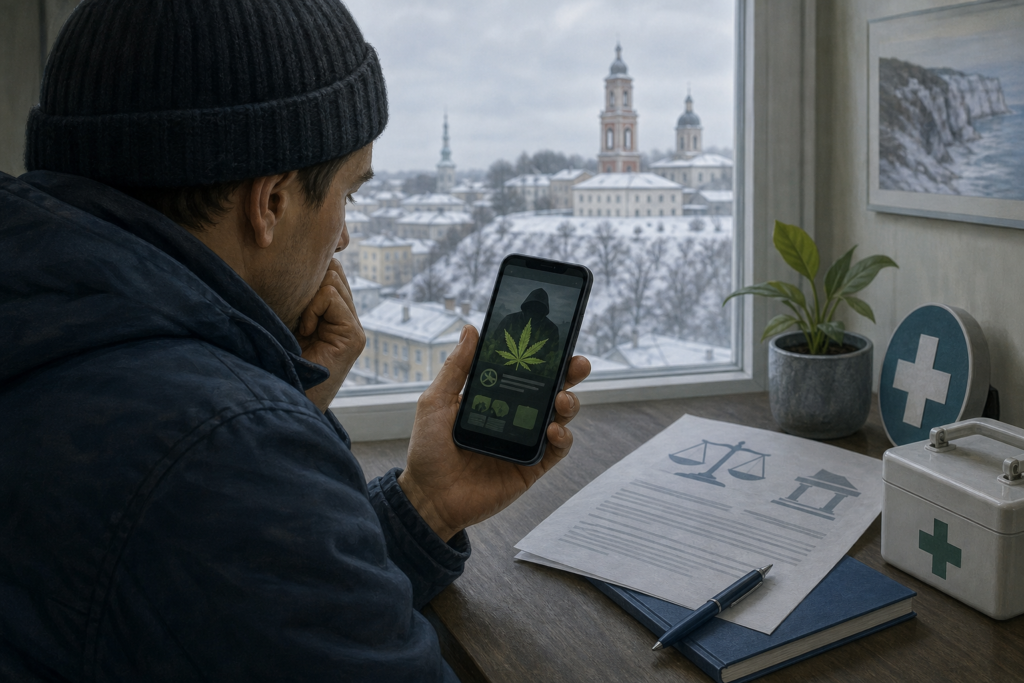
Speak with a qualified medical professional about the symptoms and treatments available through the Russian healthcare system. Do not stop prescribed medication or combine it with an unknown cannabis product without medical advice. If the issue is urgent, contact local emergency services or an appropriate healthcare facility.
Common scams linked to weed in Kungur
Illegal drug markets attract fraud because buyers have limited ways to verify a seller or recover money. The following warning signs are especially important:
- Advance payment pressure: The seller demands an immediate transfer, cryptocurrency payment, or gift card and refuses any verifiable business details.
- Unrealistic discounts: A price far below every other claim is used to create urgency or encourage a larger payment.
- Extra fees after payment: The buyer is suddenly asked for “security,” “delivery,” “insurance,” or “release” fees.
- Requests for sensitive information: A stranger asks for passport details, banking credentials, intimate photographs, or access to an account.
- Threats and intimidation: The seller claims to know the buyer’s address or threatens exposure when the buyer refuses to pay more.
- Unknown substances: The product is presented without reliable labeling, laboratory testing, or a legitimate chain of custody.
- Instructions to enter private locations: A contact insists on isolated meetings, unusual routes, or handing over a package for someone else.
Do not respond to threats by sending additional money or attempting to recover a package yourself. Preserve relevant messages and payment records, avoid confrontation, and seek legal or law-enforcement advice when appropriate.
How to reduce risk if you encounter an illegal offer
The safest choice is not to proceed. If you have already contacted a seller, stop communication where possible and do not provide more personal information. Change passwords if you shared account details, enable two-factor authentication, and contact your bank or payment provider promptly if money was sent.
Do not download unknown files, scan suspicious QR codes, or install applications offered by a seller. These can expose your device or accounts to malware. Review privacy settings on messaging and social platforms, especially if your phone number, address, or location may have been disclosed.
If someone is making threats, keep screenshots, usernames, transaction records, and timestamps. Do not edit the original evidence. A lawyer can explain reporting options and help distinguish a simple scam from conduct that may create additional legal exposure.
Safer ways to address the reason behind the search
A search for cannabis often reflects a practical problem rather than simple curiosity. The right response depends on the underlying need.
For pain, sleep, or another health concern
Arrange an appointment with a licensed clinician and describe the symptoms honestly, including duration, severity, previous treatments, and any alcohol or medication use. A doctor can assess causes, recommend evidence-based options, and identify warning signs that require urgent care.
For stress, anxiety, or emotional distress
Anonymous drug sellers cannot assess mental-health risks or provide crisis support. A psychologist, psychiatrist, primary-care clinician, or local public-health service can help identify safer treatment options. If there is an immediate risk of self-harm, overdose, violence, or severe confusion, contact emergency services without delay.
For curiosity or social use
Do not assume that a friend’s experience or an online review predicts your own risk. Unknown potency and adulteration make informal products particularly unpredictable. Legal restrictions, employment rules, driving laws, and health conditions may also create consequences that are not obvious at the time of purchase.
How to check cannabis information responsibly
Reliable information should identify the responsible institution, explain its evidence, and distinguish established facts from opinion. Be cautious with pages that promise guaranteed effects, present anonymous testimonials as proof, or use “100% legal” language without naming the applicable law and licensing authority.
For Russia-specific questions, start with official government information or a qualified Russian lawyer. The official website of Russia’s Ministry of Internal Affairs is a more appropriate starting point for general law-enforcement information than an anonymous sales channel. Legal questions involving a particular quantity, search, detention, or accusation require individualized advice.
When reading health information, look for recognized medical or public-health institutions. Avoid interpreting general research as personal medical advice, especially when products may differ in strength, purity, and ingredients.
Questions to ask before trusting any cannabis advertisement
Even before considering a purchase, a critical review can expose why an offer is unsafe. Ask:
- Is there a verifiable license issued by the relevant authority?
- Does the seller provide a real business identity, physical address, receipt, and legally compliant labeling?
- Is independent laboratory testing available for the exact product and batch?
- Can the seller explain legal age limits, possession rules, and consumer protections?
- Is the payment method reversible and supported by a legitimate dispute process?
- Would a licensed doctor or pharmacist recognize the product and its source?
For informal cannabis offers, the answer to most or all of these questions will be no. That is a strong indication to leave the conversation rather than negotiate a lower price.
What to do if you have already bought an unknown product
Do not consume a substance when its identity, strength, or contamination status is unknown. Keep it away from children, pets, and other people, and avoid driving or operating machinery. Do not mix it with alcohol, sedatives, stimulants, or prescription medicines.
If someone develops breathing problems, chest pain, seizures, extreme agitation, loss of consciousness, severe confusion, or repeated vomiting, seek emergency medical help immediately. Tell medical professionals what may have been taken if you can do so safely; accurate information can help them provide appropriate care.
Do not try to identify an unknown substance by taste, smell, or a home test. Such methods cannot establish safety and may increase exposure.
A practical conclusion for people searching locally
There is no dependable, lawful directory of the best weed deals in Kungur, and anonymous offers are not a trustworthy substitute for a regulated market. The combination of legal uncertainty, scams, privacy risks, and unknown product quality makes informal purchasing a poor trade-off even when the advertised price appears attractive.
Use licensed healthcare professionals for medical concerns, official institutions for legal information, and qualified legal counsel for personal cases. If you encounter a suspicious seller, protect your accounts, preserve evidence, avoid sending more money, and seek appropriate help. A cheaper offer is not a good deal when it can lead to illness, fraud, coercion, or criminal consequences.

The Ziklane Editorial Team is dedicated to providing accurate, well-researched, and up-to-date information on cannabis laws and regulations around the world. Our content is created through careful research of publicly available legal sources, government publications, and reputable references to help readers better understand local cannabis legislation. We are committed to delivering educational, factual, and regularly updated content while encouraging readers to comply with the laws of their respective countries and regions.