
Searching for weed in Anzhero-Sudzhensk raises important legal, health, and personal-safety questions. In Russia, cannabis and cannabis-containing products are subject to strict controls, and buying, possessing, transporting, or distributing them can create serious legal risks. For that reason, this guide does not recommend sellers, marketplaces, delivery services, or ways to evade law enforcement. Instead, it explains how to assess the situation responsibly, avoid scams and contaminated products, and find lawful support when the underlying need is medical, emotional, or recreational.
Local availability claims are particularly difficult to verify. Online advertisements may be fraudulent, while products sold through informal channels may have unknown strength, contamination, or composition. A cautious approach begins with checking the law and considering safer alternatives rather than treating anonymous listings as trustworthy sources.
Weed in Anzhero-Sudzhensk: understand the legal position first
Anzhero-Sudzhensk is in Kemerovo Oblast, so federal Russian law is the central framework governing controlled substances there. Local social-media posts, private messages, or claims that a product is “safe,” “for personal use,” or “not technically cannabis” do not override national restrictions. The legal status of a product can depend on its ingredients, concentration, form, intended use, and how it was obtained.
Before making any decision, consult current information from official authorities rather than relying on sellers or anonymous forums. The official website of the Russian Ministry of Internal Affairs is a useful starting point for government information and public-safety announcements. If you are already involved in a legal incident, speak with a qualified lawyer in Russia instead of asking a seller or online group for legal advice.
Why informal “legal” claims are unreliable
Informal sellers often use vague labels such as “herbal,” “technical,” “CBD,” or “laboratory product.” These descriptions do not prove that an item is lawful. Packaging can be copied, laboratory reports can be altered, and a product described as low-risk may contain a different substance from the one advertised. Even when a product is sold openly in another country, that does not establish that it may legally be imported, possessed, or used in Russia.
Do not assume that a small quantity, a first-time purchase, or a private transaction eliminates legal exposure. Rules and enforcement practices can change, and the consequences may depend on the facts of the case. This is one reason current official guidance and professional legal advice are more reliable than search results or promotional claims.
Risks connected with cannabis in Anzhero-Sudzhensk
People considering cannabis in Anzhero-Sudzhensk should weigh more than the advertised price or promised effect. Informal products have no dependable chain of custody, and there is usually no meaningful quality control. A buyer may not know the actual dose, whether the product contains synthetic cannabinoids, or whether it has been exposed to moisture, chemicals, mold, or other contaminants.
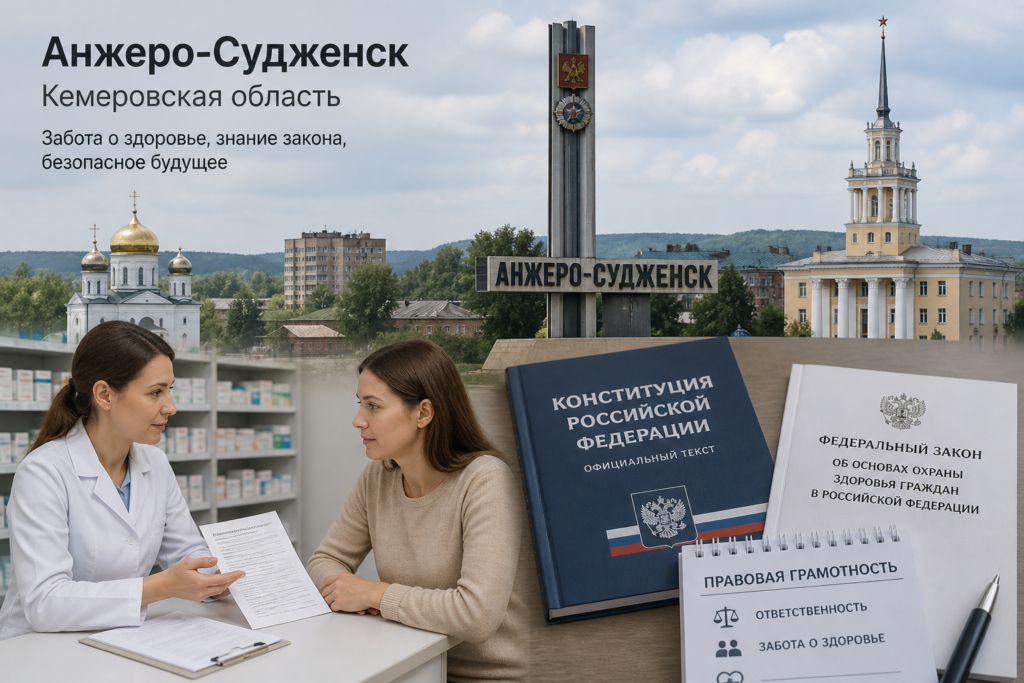
- Legal risk: possession, purchase, transport, or sharing may have serious consequences under applicable law.
- Scam risk: anonymous sellers may demand advance payment, disappear, or use fake delivery confirmations.
- Privacy risk: personal data, addresses, payment details, and private messages may be collected or used for blackmail.
- Health risk: unknown potency can increase the likelihood of panic, confusion, vomiting, impaired coordination, or other acute problems.
- Road and workplace risk: impairment can make driving, operating machinery, or performing safety-sensitive work dangerous.
Do not combine unknown cannabis products with alcohol, sedatives, opioids, or other psychoactive substances. Mixing substances can make impairment less predictable. Anyone who is pregnant, has a history of psychosis, experiences severe anxiety, or takes prescription medication should discuss concerns with a clinician rather than experimenting with an unverified product.
Warning signs of a fraudulent or dangerous listing
A seller who promises guaranteed effects, instant delivery, complete anonymity, or “no legal risk” is giving you a reason to stop. Other warning signs include pressure to pay quickly, requests for cryptocurrency or unusual transfers, refusal to provide verifiable business information, inconsistent product descriptions, and instructions to travel to isolated locations.
Never send identity documents, banking credentials, intimate images, or access codes to an anonymous seller. Do not meet unknown contacts alone, and do not allow a stranger to enter your home. The safest response to a suspicious listing is to disengage, preserve evidence if you have been threatened or defrauded, and contact the relevant authorities or your bank when appropriate.
Cannabis laws in Anzhero-Sudzhensk: what to verify
Searches for cannabis laws in Anzhero-Sudzhensk should focus on current Russian rules, not on outdated summaries from other countries. Verify the legal status of the exact product and activity involved, including possession, acquisition, transport, cultivation, importation, and distribution. A product’s label or a seller’s explanation is not a legal determination.
It is also important to distinguish between medical interest and legal authorization. A person may have genuine pain, sleep, or anxiety concerns, but that does not automatically make an unapproved cannabis product lawful. Ask a licensed doctor about diagnosis and evidence-based treatment, and ask a lawyer about legal questions. Keep medical and legal advice separate from sales advice.
For general health information about cannabis effects and risks, consult the World Health Organization’s cannabis questions and answers. It provides public-health context, but it is not a substitute for a Russian clinician or lawyer who can address your circumstances.
Safer legal alternatives to consider
If your goal is symptom relief, start by identifying the problem rather than searching for a particular intoxicating product. A primary-care doctor or relevant specialist can assess pain, sleep problems, anxiety, appetite changes, or other symptoms and suggest treatments that are legally available and medically appropriate. Bring a list of current medicines and supplements so potential interactions can be considered.
For pain or physical discomfort
Persistent pain deserves an assessment for its underlying cause. Depending on the diagnosis, a clinician may discuss approved medicines, physical therapy, movement plans, rehabilitation, sleep improvement, or referral to a specialist. Avoid increasing doses on your own, especially when using medicines that can cause drowsiness or affect breathing.
For sleep or anxiety
Sleep disruption and anxiety can reinforce each other. Evidence-based options may include a medical review, structured psychological support, cognitive behavioral techniques, regular sleep timing, reduced evening caffeine, and treatment of conditions such as depression or sleep apnea. Alcohol and unverified sedatives can worsen sleep quality and increase dependence risk.
For non-intoxicating products
Products marketed as hemp, CBD, or wellness supplements should still be checked carefully. Confirm the ingredients, manufacturer, regulatory status, and instructions from a lawful retailer or pharmacist. Do not assume that a “natural” label means a product is risk-free, compatible with your medicines, or permitted under local law.
How to respond to an urgent health problem
If someone develops severe confusion, chest pain, trouble breathing, a seizure, loss of consciousness, extreme agitation, or thoughts of self-harm after using a substance, treat it as an emergency. Call local emergency services, provide the clearest available information about what was taken, and do not leave the person alone. Do not try to force vomiting or counteract the substance with alcohol, coffee, or another drug.
If the problem is panic or distress without immediate danger, move the person to a quiet environment, reduce stimulation, and speak calmly. Avoid driving. Medical professionals need accurate information to provide appropriate care, so hiding the suspected substance can make assessment more difficult.
A practical decision checklist
- Identify your actual goal: symptom relief, curiosity, stress management, or something else.
- Check current Russian legal information before possessing, ordering, transporting, or importing any controlled product.
- Reject anonymous offers that promise guaranteed quality, secrecy, or immunity from consequences.
- Do not share personal data or send advance payment to an unverified contact.
- Speak with a licensed clinician about health concerns and a qualified lawyer about legal concerns.
- Seek urgent medical help for severe or rapidly worsening symptoms.
Conclusion
There is no responsible recommendation for buying illegal or unverified cannabis in Anzhero-Sudzhensk. The combination of legal uncertainty, scam exposure, privacy threats, and unknown product strength makes informal purchasing a poor choice. A safer path is to check current official information, avoid anonymous sellers, obtain medical advice for health concerns, and use only products and treatments that are lawful and properly regulated. If you have already been contacted by a seller or face a legal problem, preserve relevant messages and seek qualified professional help rather than escalating the transaction.

The Ziklane Editorial Team is dedicated to providing accurate, well-researched, and up-to-date information on cannabis laws and regulations around the world. Our content is created through careful research of publicly available legal sources, government publications, and reputable references to help readers better understand local cannabis legislation. We are committed to delivering educational, factual, and regularly updated content while encouraging readers to comply with the laws of their respective countries and regions.