
People searching for Online retailers selling weed in Yelabuga may encounter websites, social-media accounts, or anonymous listings that appear to offer cannabis delivery. However, an online listing does not mean that a seller is licensed, that a product is genuine, or that ordering it is lawful. In Yelabuga, as elsewhere in Russia, cannabis-related purchases can create serious legal, financial, and health risks.
This guide explains how to assess the topic without promoting illegal procurement. It covers the legal position, common warning signs, safer responses to suspicious offers, and lawful options for people seeking medical or wellbeing support.
Are there legal online cannabis retailers in Yelabuga?
Russia does not operate a legal recreational cannabis retail market comparable to regulated markets in some other countries. Cannabis, cannabis resin, and preparations containing controlled substances are subject to strict restrictions. A website claiming to sell weed in Yelabuga is therefore not evidence of a lawful local business.
Some sellers use professional-looking catalogues, customer reviews, delivery promises, or claims that products are “safe,” “natural,” or “undetectable.” These statements may be designed to build trust rather than provide verifiable information. An anonymous seller also cannot reliably prove the contents, concentration, origin, or safety of a product.
For the current wording of Russian legislation and official legal acts, consult the official Russian legal information portal. Rules can depend on the substance, conduct, amount, intent, and other circumstances, so a general article should not replace advice from a qualified Russian lawyer.
Understanding cannabis laws in Yelabuga
Yelabuga is in the Republic of Tatarstan, and federal Russian criminal and administrative rules are relevant there. Local online advertisements do not create an exemption from national drug-control laws. Buying, possessing, transporting, producing, or distributing prohibited substances may lead to severe consequences, even when the transaction begins through a website or messaging application.
The legal assessment of a case can depend on facts that an online buyer may not understand, including the substance identified by testing, the alleged role of each person, and the surrounding evidence. A claim that a product is a “legal strain,” “herbal blend,” or “research product” does not guarantee that it is permitted. Products can also contain undisclosed synthetic cannabinoids or other compounds with unpredictable effects.
Why product labels are not reliable protection
Online sellers may describe an item as cannabidiol, hemp material, or a non-intoxicating product. The name on a package is not the same as an independent laboratory result or an official determination of legality. Mislabelled goods can expose a buyer to both health risks and legal uncertainty.
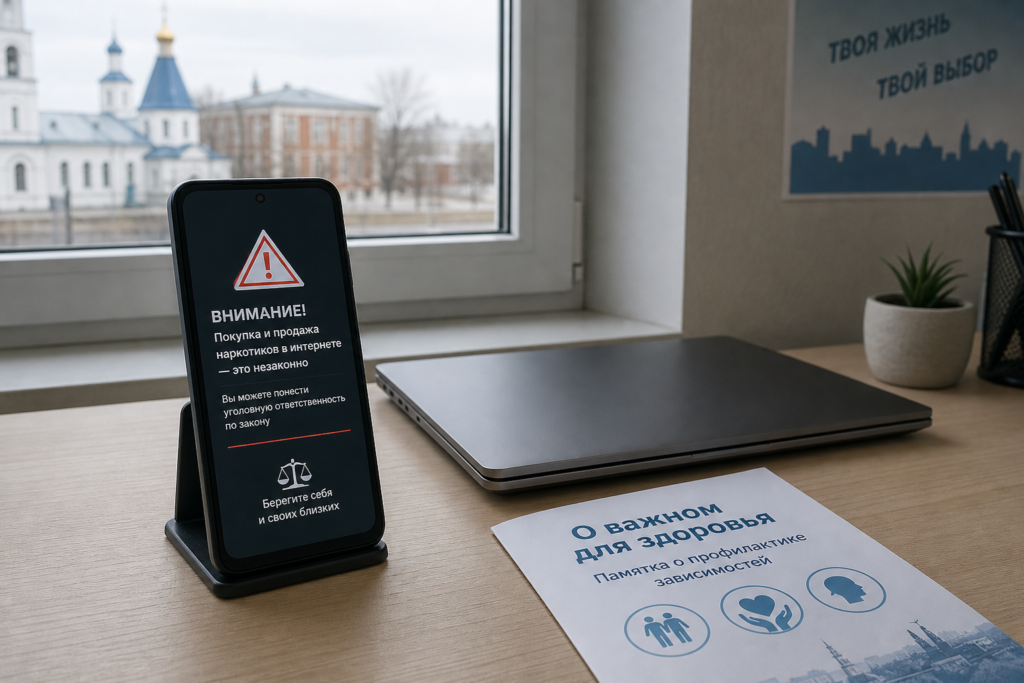
Consumers should not assume that a small order, private messaging, cryptocurrency payment, or delivery to a pickup location removes responsibility. Nor should they rely on seller claims about police enforcement, customs, or supposed “safe amounts.” Anyone facing a real legal concern should preserve relevant records and seek advice from a licensed local attorney rather than relying on an anonymous seller.
What people searching for weed in Yelabuga should know about online risks
Searches for weed in Yelabuga can lead to fraudulent or harmful offers. Illicit marketplaces often operate without verifiable business details, consumer protection, quality control, or a reliable complaints process. The risks extend beyond the substance itself.
- Payment fraud: A seller may request advance payment and then disappear, demand additional fees, or use copied identities and fake reviews.
- Personal-data exposure: Sharing a name, address, phone number, identification document, or payment details can create risks of extortion, account takeover, or harassment.
- Unknown contents: A product may contain a different drug, a high concentration, contaminants, or synthetic compounds not disclosed in the listing.
- Legal exposure: Messages, payments, delivery arrangements, or possession may become relevant to an investigation.
- Coercion and blackmail: Some fraudulent operators threaten to reveal a customer’s alleged order unless more money is paid.
These risks are especially important when a listing insists on secrecy, asks a buyer to install unfamiliar software, requests identity documents, or moves the conversation between multiple anonymous accounts.
How to identify a suspicious cannabis listing
No checklist can make an illegal transaction safe, but certain features should be treated as strong warning signs. A seller is particularly concerning when it:
- promises guaranteed anonymity or immunity from law enforcement;
- refuses to provide a verifiable legal business identity;
- uses pressure, countdowns, or limited-time offers;
- requires cryptocurrency, gift cards, or unusual payment methods;
- offers products with no credible ingredient information or independent testing;
- asks the customer to collect an unknown package for someone else;
- directs users to hidden links, unfamiliar applications, or suspicious files;
- claims that a product is legal solely because it is called hemp or CBD.
Consumers should not test a suspicious product to find out what it contains. They should also avoid forwarding it, reselling it, or helping another person arrange delivery. Those actions can increase both health and legal risks.
Medical cannabis in Yelabuga: safer lawful alternatives
People searching for medical cannabis in Yelabuga may be dealing with chronic pain, sleep problems, anxiety, nausea, or another difficult condition. Buying an unverified product online is not a substitute for diagnosis or treatment. A doctor can assess symptoms, review current medicines, and discuss treatments that are lawful and medically appropriate.
Patients should tell a qualified clinician about any substance they are already using, including products bought online. This information helps a clinician consider possible interactions, side effects, dependence, or withdrawal. It is better to give an honest account than to rely on a seller’s description of a product.
For neutral information about cannabis effects and health risks, readers can consult the World Health Organization’s cannabis fact sheet. It explains why cannabis can affect attention, memory, coordination, mental health, and dependence risk, while recognizing that individual effects vary.
Where to seek help
For a health concern, start with a licensed doctor or an appropriate public medical service in Yelabuga or elsewhere in Tatarstan. Ask about evidence-based treatment options, referrals, and support for pain, sleep, anxiety, or substance use. If there is an urgent reaction after taking an unknown product, contact emergency medical services immediately and provide as much information as possible about what was taken.
If someone is worried about dependence or repeated cannabis use, confidential support from a qualified addiction specialist is more useful than advice from a seller. Sudden severe confusion, chest pain, breathing difficulty, seizures, loss of consciousness, or extreme agitation requires urgent medical attention.
What to do after encountering a suspicious seller
If you have only viewed an advertisement, the safest response is to stop communicating and avoid downloading files or sending personal information. Do not arrange a meeting or accept a package on another person’s behalf.
If money or personal data has already been sent, act quickly:
- Save screenshots, usernames, payment records, delivery messages, and website addresses.
- Contact the bank or payment provider using its official support channel.
- Change passwords and enable multi-factor authentication if account details were shared.
- Report the account or listing through the platform where it appeared.
- Consider reporting suspected fraud or criminal activity to the relevant authorities.
- Speak with a qualified lawyer if you are concerned about possible legal consequences.
Do not threaten the seller, attempt to recover money through confrontation, or publish private details online. Those actions can create additional risks and may interfere with a formal complaint.
How to evaluate online information about cannabis in Yelabuga
Search results can mix news reports, advertisements, user-generated claims, and content written for other countries. Before trusting a page, check who published it, when it was updated, whether it identifies a real institution, and whether its claims match official legal or public-health information.
Be cautious with pages that promise “legal delivery,” present anonymous testimonials as proof, or use medical language without naming qualified professionals. A polished design is not evidence of licensing. Likewise, the presence of a local city name does not show that the seller operates legally in Yelabuga.
When researching cannabis in Yelabuga, prioritize official legal information, recognized medical institutions, and public-health resources. Avoid treating foreign laws as if they apply in Russia. Legal rules, product standards, and medical access differ substantially between countries.
Conclusion
Online retailers selling weed in Yelabuga should be approached as a serious legal and safety concern, not as ordinary local e-commerce. Anonymous listings cannot guarantee lawful status, product quality, privacy, or secure payment. Buying, possessing, transporting, or distributing cannabis may have serious consequences under Russian law.
The safer path is to avoid suspicious sellers, protect personal information, verify legal information through official sources, and speak with a qualified healthcare professional about medical concerns. If fraud, coercion, or an adverse reaction has already occurred, preserve evidence and seek appropriate legal, financial, or medical help promptly.

The Ziklane Editorial Team is dedicated to providing accurate, well-researched, and up-to-date information on cannabis laws and regulations around the world. Our content is created through careful research of publicly available legal sources, government publications, and reputable references to help readers better understand local cannabis legislation. We are committed to delivering educational, factual, and regularly updated content while encouraging readers to comply with the laws of their respective countries and regions.