
Searching for weed marketplaces in Makhachkala can lead to serious legal, financial, and health risks. Public listings that claim to sell cannabis are not the same as regulated businesses, and a website, chat channel, or social-media account does not make a product legal or safe. In Makhachkala, as elsewhere in Russia, buying, possessing, transferring, or selling prohibited drugs can have severe consequences.
This guide does not recommend sellers or explain how to obtain illegal drugs. Instead, it explains why online marketplace claims are unreliable, how to assess the legal situation, what warning signs to recognize, and where to seek legitimate health information. If your concern is pain, sleep, anxiety, or another medical issue, a qualified healthcare professional is a safer starting point than an anonymous seller.
Are there legitimate weed marketplaces in Makhachkala?
There is no reason to treat anonymous online stores or informal delivery channels as licensed cannabis retailers. A marketplace may use professional branding, product menus, customer reviews, or claims about laboratory testing, but those features are easy to fabricate. They also provide no dependable proof that a product contains what the seller says it contains.
Search results for weed in Makhachkala may include scam pages, phishing links, malware, impersonation accounts, or advertisements for substances that are mislabeled. Some sellers request advance payment through irreversible methods and then disappear. Others may use a small initial transaction to collect a buyer’s identity information, payment details, or contact list.
For these reasons, a responsible article cannot provide a list of marketplaces, seller names, channels, addresses, or purchasing instructions. Sharing those details could facilitate illegal activity and expose readers to avoidable harm.
Cannabis laws in Makhachkala and Russia
Cannabis laws in Makhachkala are determined primarily by Russian federal law rather than by a local commercial licensing system. The legal position can depend on the substance, quantity, conduct involved, and other circumstances. Possession, transportation, production, sale, or transfer may result in administrative or criminal consequences, with more serious risks associated with distribution.
Because legal wording and enforcement guidance can change, readers should consult current primary sources rather than relying on a seller’s promises or an old forum post. The official Russian legal information portal is the appropriate place to check published legislation and amendments. For a specific situation, a qualified lawyer is more reliable than an anonymous online adviser.
Do not assume that a product is lawful because it is described as “natural,” “technical,” “CBD,” or “for research.” Product names and marketing language do not determine legal status. The relevant composition, concentration, source, documentation, and intended use may all matter.
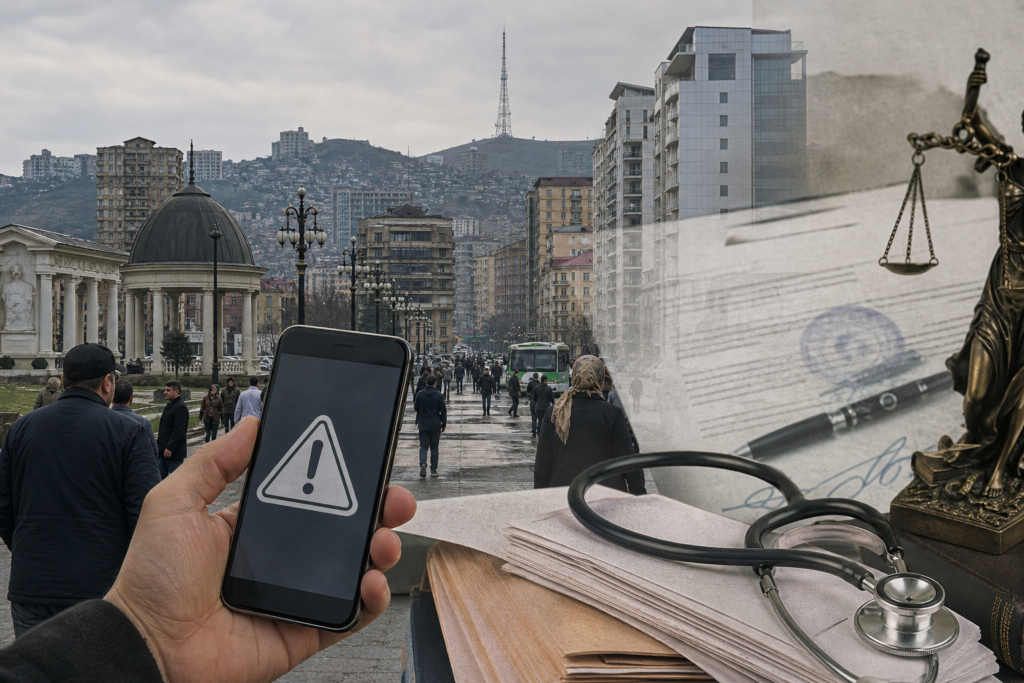
Why online cannabis marketplaces are especially risky
Unverified products
Illegal products generally do not come with dependable chain-of-custody records, independent testing, or accurate ingredient labels. Cannabis may be contaminated, unusually potent, or mixed with other substances. Synthetic cannabinoids and other unknown compounds can be sold under familiar names, making the risk difficult to judge before exposure.
Even when a product appears consistent, there is no reliable way for a buyer to confirm its contents from photographs, messages, or seller reviews. Claims about strain, strength, purity, or origin should not be treated as medical or laboratory evidence.
Scams and digital threats
Anonymous marketplaces often create pressure to act quickly. Common warning signs include requests for cryptocurrency or gift cards, demands for a deposit before any transaction, fake courier fees, changing payment instructions, and promises that a seller can avoid all legal scrutiny. Links sent through unknown channels may also lead to phishing pages or malicious downloads.
Do not provide passport details, banking credentials, one-time verification codes, or access to social-media accounts. If you have already sent money or personal information, contact your bank or payment provider promptly, secure affected accounts, preserve relevant messages, and report suspected fraud to the appropriate authorities.
Personal safety and coercion
Arranging a meeting with an unknown seller creates risks that have nothing to do with the product itself. A stranger may threaten, rob, blackmail, or pressure a buyer. A supposed delivery service may collect an address and use it for harassment or further fraud. Avoiding the transaction is the safest response to threats, unusual demands, or attempts to move communication to increasingly private channels.
What to do if you are considering cannabis in Makhachkala
If you are considering cannabis in Makhachkala because of pain, insomnia, stress, appetite changes, or another symptom, focus first on the underlying problem. A doctor can assess possible causes, review existing medicines, and suggest treatments that are legal and appropriate for your health history.
- Make an appointment with a licensed physician or relevant specialist.
- Describe your symptoms honestly, including how long they have lasted and what you have already tried.
- Ask about approved medicines, non-drug treatment, rehabilitation, sleep support, or mental-health care where appropriate.
- Do not stop prescribed treatment suddenly or combine unknown substances with alcohol or medicines.
- Use information from recognized health institutions rather than seller testimonials.
The World Health Organization’s cannabis health information explains recognized risks and effects in a general, evidence-based format. It should not replace an individual medical consultation, but it is more dependable than promotional material from an unverified marketplace.
Medical cannabis in Makhachkala: separating claims from care
Searches for medical cannabis in Makhachkala can be confusing because the term “medical” is often used as advertising. A seller may call a product therapeutic without providing a diagnosis, prescription, verified formulation, or clinical oversight. That language does not establish that the product is approved, effective, or safe.
Be cautious of anyone who guarantees a cure, promises instant relief, claims that a product has no side effects, or tells you to ignore a doctor. Real healthcare includes an assessment, informed consent, attention to interactions, and follow-up. It also acknowledges uncertainty instead of making absolute promises.
If you are worried about dependence or repeated use, seeking help is not a reason for shame. A general physician, mental-health professional, or addiction-care service can help you discuss the situation confidentially and identify next steps. If someone has severe confusion, chest pain, difficulty breathing, a seizure, loss of consciousness, or an extreme reaction after taking an unknown substance, seek emergency medical help immediately.
How to recognize misleading marketplace content
When researching legal cannabis alternatives in Makhachkala, assess the source rather than the sales pitch. The following signs indicate that a page should not be trusted:
- It hides the operator’s identity, physical business details, or licensing information.
- It uses copied reviews, unrealistic discounts, countdown timers, or pressure to pay immediately.
- It makes medical promises without naming a qualified clinician or presenting verifiable evidence.
- It claims that Russian law does not apply because the transaction occurs online or through delivery.
- It requests sensitive documents or account credentials unrelated to a legitimate healthcare service.
- It offers products with no clear ingredients, manufacturer, batch information, or safety documentation.
None of these signs proves exactly what a seller is doing, but several together are a strong reason to leave the page and avoid contact. Do not try to test an unknown product yourself to determine whether a claim is true.
Safer ways to research the topic
For general education, compare information from official legal sources, established public-health organizations, and licensed medical providers. Look for publication dates, named institutions, clear explanations of uncertainty, and references to applicable rules. Avoid treating search ranking, anonymous comments, or a large follower count as proof of credibility.
For personal health concerns, write down your symptoms, current medicines, allergies, and questions before an appointment. This can make a short consultation more useful. If cost or access is a concern, ask a local healthcare facility about available public services, referrals, and non-drug treatment options.
It is also sensible to protect your digital privacy while researching. Use reputable websites, avoid downloading files from unknown channels, do not reuse passwords, and never share payment codes with a person claiming to be a seller, courier, or investigator.
Conclusion
There is no safe or responsible list of popular marketplaces to buy weed in Makhachkala. Anonymous sellers cannot provide the legal safeguards, product verification, medical supervision, or consumer protection associated with legitimate healthcare. Online claims about cannabis may conceal scams, contaminated products, privacy threats, and serious legal exposure.
If your interest is connected to a health problem, speak with a licensed professional and use authoritative information. If you have encountered fraud, threats, or a medical emergency, prioritize immediate safety and contact the relevant bank, authorities, or emergency services. In this context, the most useful search result is not a seller—it is accurate legal information and appropriate care.

The Ziklane Editorial Team is dedicated to providing accurate, well-researched, and up-to-date information on cannabis laws and regulations around the world. Our content is created through careful research of publicly available legal sources, government publications, and reputable references to help readers better understand local cannabis legislation. We are committed to delivering educational, factual, and regularly updated content while encouraging readers to comply with the laws of their respective countries and regions.