
If you are searching for how to find weed vendors in Krasnoyarsk, it is important to understand that attempting to buy, sell, possess, or arrange delivery of cannabis can expose you to serious legal, financial, and health risks. This article does not provide vendor contacts, marketplaces, search terms, or instructions for purchasing illegal drugs. Instead, it explains the risks behind searches for weed in Krasnoyarsk, how to recognize scams, where to look for legitimate health support, and what to do if you are worried about someone’s immediate safety.
Search results, social-media posts, encrypted chats, and private advertisements can create the impression that an illegal drug transaction is simple or controlled. In reality, a person searching for a vendor may have no reliable way to confirm who is behind an account, what is being offered, or what will happen to their personal information. The safest approach is to stop before sharing money or details and consider the underlying reason for the search.
Why searching for weed vendors in Krasnoyarsk is risky
Online advertisements and private messages can make illegal drug sales appear organized and trustworthy. That appearance is not a reliable sign of safety. Anonymous sellers may disappear after receiving payment, send an unknown substance, demand additional money, or use personal information for extortion. A person who shares an address, phone number, identity document, or payment details may create risks that extend beyond the original transaction.
Some fraudulent contacts use professional-looking logos, reviews, photographs, delivery promises, or claims about laboratory testing. These details can be copied or invented easily. A seller may also use urgency, limited-time offers, or warnings that someone else will take the product if the buyer does not pay immediately. Pressure is a common feature of scams and is a reason to disengage rather than continue the conversation.
There is also no dependable way for an online buyer to confirm the identity, purity, strength, or contents of a product sold as cannabis. Material described as cannabis may contain other substances, contaminants, or a much higher concentration of active compounds than expected. Unfamiliar products can increase the risk of panic, confusion, injury, poisoning, or a dangerous interaction with alcohol or medicines.
Risk can increase further when an individual is already experiencing anxiety, depression, sleep deprivation, chronic pain, or problematic substance use. These circumstances may make quick relief seem attractive, but an unknown product can worsen symptoms and make it harder for a doctor to identify the cause of a medical problem.
Legal exposure
Russian drug laws regulate narcotic and psychotropic substances strictly. Buying, possessing, transporting, producing, or distributing prohibited substances may have serious consequences, and the legal outcome can depend on the substance, quantity, circumstances, and conduct involved. Do not rely on a seller’s claim that a product is “legal,” “small enough,” or “for personal use.” Check official legal information through the Russian official legal information portal or consult a qualified lawyer.
Rules can also apply to messages, payments, storage, transport, and attempts to arrange a transaction. A chat disappearing or a seller operating through an encrypted service does not make an activity lawful. Sending a package, accepting one for another person, or allowing a substance to be stored at your address can create separate risks.
Legal terminology can be confusing, particularly when advertisements use words such as “hemp,” “CBD,” “medical,” or “technical.” A marketing label is not a legal opinion. The exact composition, concentration, origin, packaging, and circumstances may matter. If you are unsure about a product or an incident, obtain advice from a qualified legal professional rather than relying on a vendor or online comment.
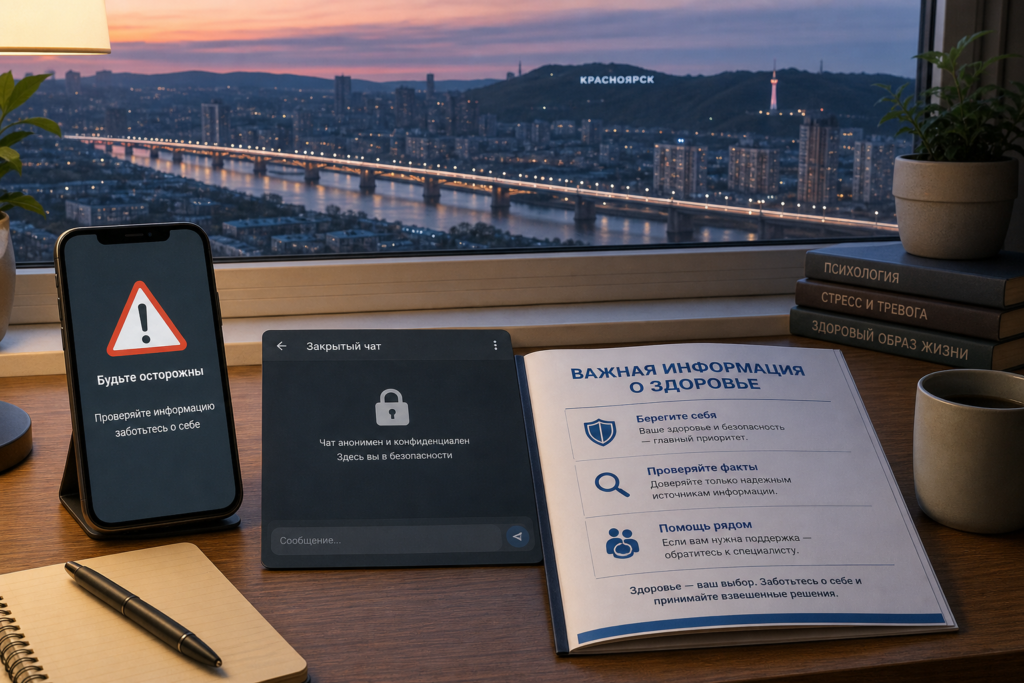
How to identify scams connected with cannabis in Krasnoyarsk
People looking for cannabis in Krasnoyarsk may encounter fraud rather than a genuine seller. Warning signs include requests for an advance payment, pressure to act immediately, claims that a “courier” needs an extra fee, and demands for a photograph of an identity document. Other red flags include promises of guaranteed quality, unusual payment methods, instructions to enter private property, or threats after a person questions the transaction.
- Do not send money, identity documents, home addresses, or passwords to an unknown contact.
- Do not open files, scan QR codes, or install applications supplied by an anonymous seller.
- Do not visit an unfamiliar location to collect a package or meet a stranger.
- Keep screenshots, usernames, payment records, and threatening messages if you need to report fraud.
- Contact your bank promptly if you have sent money and suspect a scam.
- Do not allow an unknown person to use your bank account, telephone number, address, or online wallet.
Some scams involve several stages. An initial payment may be followed by demands for a deposit, a “security” fee, a delivery charge, or money to prevent supposed legal trouble. Paying again rarely resolves the situation. If a contact claims to be an official and demands immediate payment through an unusual channel, verify the claim independently using an official telephone number or website.
If a contact threatens violence, blackmail, or exposure of private information, do not negotiate alone. Preserve evidence and contact local law enforcement or an attorney. If there is an immediate threat to life or physical safety, use the appropriate emergency service.
Understanding cannabis laws in Krasnoyarsk
There is no separate local rule that makes online drug purchasing safe merely because a seller claims to operate in Krasnoyarsk. National Russian law is the central issue, and local enforcement can involve police, courts, customs, postal services, and financial institutions. The safest assumption is that an unlicensed online offer is not a lawful retail service.
Be particularly cautious with products labeled CBD, hemp, “technical cannabis,” or “herbal blend.” A label or marketing description does not by itself establish that a product is permitted, correctly tested, or safe to possess. Imported products may create additional customs and transportation problems. Before buying or carrying any cannabis-related product, obtain advice from a qualified legal professional who can assess the exact item and circumstances.
Do not attempt to interpret a product’s legality solely from its packaging, a seller’s message, or a social-media discussion. Laws and enforcement practices can change, and a product that is permitted in one country or region may be restricted in another. Travelling with a cannabis-related product can also create additional consequences, including problems at transport hubs or borders.
Health information should also come from reliable sources rather than seller claims. The World Health Organization’s information on cannabis health effects explains potential risks without promoting unverified products or treatments.
Safer options if you are seeking relief
Some searches for weed in Krasnoyarsk begin with pain, insomnia, anxiety, stress, or another health concern. Buying from an anonymous vendor does not address the underlying problem and can complicate diagnosis or treatment. A licensed doctor can review symptoms, existing medicines, alcohol use, sleep patterns, and mental health history, then discuss lawful options available in Russia.
Prepare for a medical appointment by writing down when the problem began, how often it occurs, how severe it is, and what you have already tried. Include prescription medicines, over-the-counter products, supplements, alcohol, and other substances. Accurate information helps a clinician assess interactions and choose an appropriate plan.
For pain or sleep problems
Write down when symptoms occur, what makes them better or worse, and which medicines or supplements you already use. Bring this information to a doctor or pharmacist. Avoid mixing unknown substances with sedatives, opioids, alcohol, or sleep medicines, because combinations can increase impairment and other health risks.
Persistent pain or insomnia may be linked to an untreated medical condition, medication side effect, stress, or a disrupted routine. A healthcare professional can consider evidence-based approaches such as diagnosis, physical therapy, sleep interventions, or lawful medicines where appropriate.
For anxiety, stress, or low mood
Consider a licensed mental-health professional, a primary-care appointment, or a trusted support person. Anxiety and depression can intensify when someone is worried about debt, secrecy, threats, or possible legal consequences. Professional support is more likely to identify the cause and create a continuing plan than an anonymous product recommendation.
If you feel unable to stay safe, have thoughts of harming yourself, or believe you may act on those thoughts, seek urgent help and contact emergency services. Do not remain alone if a trusted person can stay with you safely.
For concerns about substance use
If cannabis use is becoming difficult to control, affecting work or relationships, or causing repeated financial and legal problems, seek confidential medical or psychological advice. A clinician can discuss dependence, withdrawal symptoms, sleep, mood, and treatment options without relying on a seller’s description of a product.
Helpful preparation may include recording how often you use a substance, how much you spend, what situations trigger use, and whether you experience irritability, sleep problems, cravings, or difficulty stopping. This information is for healthcare support, not self-diagnosis.
What to do if you have already contacted a vendor
Stop the transaction and avoid sending further payments. Do not arrange a meeting or attempt to recover money in person. If you have shared an address, password, identity document, or banking information, take practical steps to protect yourself: change exposed passwords, contact your bank, review account activity, and preserve the messages.
Use unique passwords and enable multifactor authentication where available. If an identity document was shared, ask a lawyer or the relevant official service what protective measures may be appropriate. Be cautious of follow-up messages from people claiming they can recover your money or erase your information for another fee.
If a package has been delivered, do not open, taste, test, or redistribute it. Keep people and pets away from unknown substances and seek legal advice about the appropriate next step. If anyone has severe confusion, unconsciousness, trouble breathing, chest pain, seizures, or extreme agitation, call emergency services immediately and explain that an unknown substance may be involved.
A practical decision checklist
- Pause before replying to an anonymous advertisement or direct message.
- Assume that claims about legality, purity, and safety are unverified.
- Do not provide money, identification, location data, or access to accounts.
- Use official legal sources or a qualified lawyer for legal questions.
- Use a licensed medical professional for pain, sleep, anxiety, or substance-use concerns.
- Keep evidence of fraud, blackmail, or threats and report urgent danger promptly.
- Contact your bank quickly if you made a payment and suspect fraud.
- Seek immediate medical help if someone has dangerous symptoms after taking an unknown substance.
Conclusion
There is no safe or reliable method for finding illegal weed vendors in Krasnoyarsk. Anonymous sellers can expose buyers to scams, unknown substances, coercion, and serious legal consequences. Rather than pursuing finding cannabis in Krasnoyarsk, verify the law through official sources, protect your personal and financial information, and seek licensed medical or legal support for the problem that prompted the search. If someone faces an immediate medical or safety emergency, contact emergency services without delay.

The Ziklane Editorial Team is dedicated to providing accurate, well-researched, and up-to-date information on cannabis laws and regulations around the world. Our content is created through careful research of publicly available legal sources, government publications, and reputable references to help readers better understand local cannabis legislation. We are committed to delivering educational, factual, and regularly updated content while encouraging readers to comply with the laws of their respective countries and regions.