
Finding weed retailers in Mar del Plata requires more care than searching for an ordinary shop. In Argentina, cannabis access depends on the product, its intended use, and the seller’s legal status. A business advertising cannabis products is not automatically authorized to sell them, and a social media account is not proof of a regulated supply chain.
For most visitors and residents, the safest approach is to start with the legal category that applies to the product they need. Medical cannabis, pharmacy-dispensed products, CBD items, and informal recreational sales should not be treated as interchangeable. This guide explains how to research weed in Mar del Plata, check a retailer before paying, recognize warning signs, and find reliable information without relying on unverified listings.
Understand the legal landscape before searching
Argentina has a regulated framework for medicinal cannabis, but that does not mean there is a general, open recreational dispensary market equivalent to those found in some other countries. The rules can also differ depending on whether a product is a registered medicine, a preparation made under an authorized system, or an unregulated item sold through informal channels.
Before visiting a shop, review the current information from the Argentine government’s official medical cannabis information. It explains the national framework and helps distinguish medical access from unsupported commercial claims. Because regulations and administrative procedures can change, official sources should take priority over old blog posts, forum comments, or social media announcements.
Medical access is different from recreational retail
If you are looking for cannabis for a health condition, begin with a qualified healthcare professional. A doctor can discuss whether cannabis is appropriate, identify possible interactions with other medicines, and explain which products or formulations may be suitable. A retailer should not replace medical advice or promise that cannabis will cure a condition.
People may also encounter references to patient registration or cultivation permissions. These procedures are separate from simply walking into a store and buying recreational cannabis. Confirm the current requirements through official government channels rather than assuming that a retailer’s description is complete or accurate.
Where to look for legitimate cannabis options in Mar del Plata
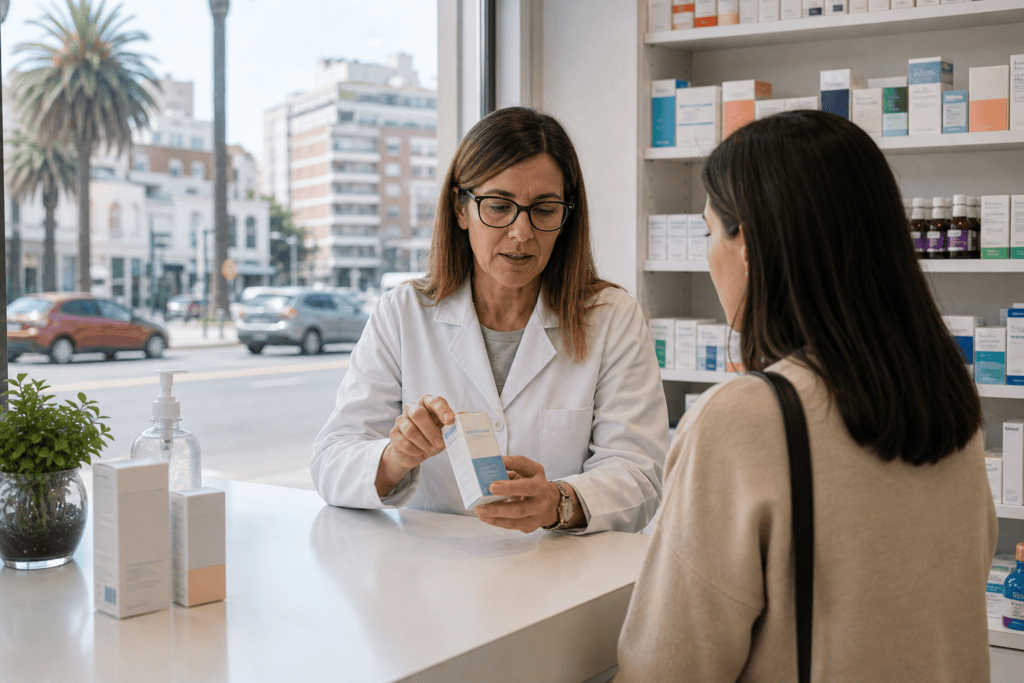
When researching cannabis in Mar del Plata, focus first on established healthcare and pharmacy channels. A licensed pharmacy may be able to explain whether it handles an eligible cannabis-related product, whether a prescription or other documentation is required, and how the product is supplied. Availability can vary, so contacting the pharmacy before traveling is sensible.
Search engines and map applications can help identify pharmacies, clinics, and businesses that mention cannabis services in Mar del Plata. Use those tools as a starting point, not as proof of authorization. A listing may be outdated, incorrectly categorized, or based entirely on user-submitted information.
Useful places to check
- Licensed pharmacies: Ask whether they handle the specific type of product you need and what documentation is required.
- Medical clinics: A clinic can provide professional guidance and may explain legitimate treatment pathways.
- Patient associations: Local organizations can offer practical information, but their advice should still be checked against current official rules.
- Provincial and municipal information channels: These can help clarify local business details, public-health contacts, and consumer-protection routes.
- Official manufacturer or laboratory information: If a product is presented as a medicine, verify that the claimed manufacturer and product information are genuine.
Be cautious with businesses that describe themselves as a “dispensary” without clearly explaining their legal basis. The word can be used as marketing even when a business is not operating through a recognized medical or pharmaceutical channel.
How to verify a retailer before buying
A responsible seller should be willing to answer basic questions without pressure. Ask for the business’s legal name, physical address, contact details, product documentation, and the conditions of sale. If the seller refuses to identify the business or insists on moving immediately to a private messaging app, treat that as a warning sign.
Check the business identity
Compare the retailer’s website, map listing, social media profile, and physical address. Inconsistent names, recently created accounts, copied product photographs, and multiple unexplained addresses can indicate a temporary or unreliable operation. A professional appearance is not enough, but obvious inconsistencies deserve attention.
Look for a receipt or other purchase record. A seller that cannot provide any transaction documentation makes it difficult to resolve problems involving the product, payment, or delivery. Do not assume that a polished logo or many followers demonstrates legal authorization.
Check the product information
Ask what the product contains, who made it, how it was packaged, and how its strength was determined. Products sold for medical use should have clear labeling and should not make extravagant claims. Be particularly careful with items that have no ingredient list, no batch information, no expiry date, or no reliable manufacturer details.
Do not rely solely on a seller’s statement about THC or CBD content. Unverified products may be mislabeled, contaminated, or much stronger than expected. If the product is intended to treat a medical condition, discuss it with a healthcare professional and verify whether the proposed source is appropriate.
The official ANMAT website is a useful reference for Argentina’s national medicines and health-product regulator. It can help consumers understand the role of product authorization and regulatory oversight, although not every cannabis-related product falls into exactly the same category.
Search strategies that produce better results
Broad searches such as “weed shop Mar del Plata” may return informal sellers, outdated pages, or businesses using cannabis-related terms loosely. More specific searches are usually more useful. Try terms connected to the legal route you need, such as “pharmacy medical cannabis Mar del Plata,” “cannabis consultation Mar del Plata,” or “CBD product pharmacy Mar del Plata.”
Spanish-language searches may produce more local results, including “cannabis medicinal Mar del Plata,” “farmacia cannabis medicinal,” or “médico cannabis medicinal Mar del Plata.” Check the date of each result and confirm that the business is still operating before relying on it.
Use reviews carefully
Customer reviews can reveal practical details such as opening hours, communication quality, or whether a listed address is current. They cannot establish that a seller is legally authorized or that a product is safe. Treat unusually repetitive reviews, guaranteed medical outcomes, and pressure to leave positive feedback as warning signs.
When contacting a business, ask clear questions in writing. A legitimate seller should be able to explain what it offers without making you feel rushed. Avoid sending identification documents, payment details, or personal health information until you understand who is receiving them and why.
Red flags when looking for weed in Mar del Plata
Informal cannabis sales can expose consumers to legal, financial, and health risks. The following signs do not prove wrongdoing on their own, but several together should make you reconsider the transaction:
- Promises of guaranteed medical results or claims that cannabis cures every condition.
- Pressure to pay immediately through an irreversible transfer or cryptocurrency.
- No physical address, no business identity, or a refusal to provide a receipt.
- Products packaged in unmarked bags or containers without ingredients and batch details.
- Claims that a seller is “fully legal” without explaining the applicable authorization.
- Requests for unnecessary copies of identity documents or sensitive medical records.
- Delivery offers that conceal the product, seller, or transaction details rather than providing ordinary purchase documentation.
- Advice to ignore a prescription, medical consultation, or official registration requirement.
Do not purchase a product simply because it is advertised as “natural,” “organic,” or “strong.” Those descriptions do not confirm quality, safety, or legality.
Questions to ask a cannabis retailer
A short checklist can make conversations with a potential seller more productive. Ask whether the product is intended for medical use, whether documentation is required, and how the seller confirms its source. Also ask how the product should be stored, what the recommended use instructions are, and what happens if the packaging is damaged or the product appears different from its description.
If you are a visitor, ask whether the seller can legally serve non-residents and what identification or prescription rules apply. Do not assume that a tourist can access the same products or programs as a registered patient. If the answer is vague, seek advice from a licensed professional or an official information channel instead.
What to do if you cannot find a verified retailer
You may not find a conventional cannabis retailer in Mar del Plata that meets your needs. That is not a reason to use an anonymous seller. Instead, ask a doctor or pharmacist about lawful alternatives, request help understanding the relevant medical process, or contact an official public-health service for guidance.
If you believe a business is making misleading health claims, selling a mislabeled product, or misusing personal information, keep screenshots, receipts, packaging photographs, and payment records. These details can help when contacting a consumer-protection or health authority. Avoid publicly sharing another person’s private information while documenting the problem.
For travelers, the safest option may be to avoid carrying cannabis across provincial or international borders unless you have confirmed that the specific movement is lawful. Rules for possession, transport, and medical documentation can be different from rules governing use or purchase.
Practical checklist for finding legal cannabis in Mar del Plata
- Decide whether you are seeking medical treatment, a regulated health product, or general information.
- Review current Argentine government guidance before contacting a seller.
- Search for pharmacies, clinics, and recognized health channels rather than relying only on “weed shop” listings.
- Verify the business identity, physical location, product source, and documentation.
- Ask about prescriptions, patient registration, identification, and receipts before paying.
- Reject products with unclear labeling, exaggerated claims, or unexplained packaging.
- Keep records of the transaction and seek professional advice if the product is for a health condition.
Conclusion
Finding weed retailers in Mar del Plata is primarily a verification task, not just a search for the nearest listing. Argentina’s medical cannabis framework does not automatically create a broad recreational retail market, so consumers should distinguish pharmacies, medical services, regulated products, and informal sellers.
Use official information, ask specific questions, check the business and product details, and avoid any seller that relies on secrecy or pressure. Whether you are researching medical cannabis in Mar del Plata or simply trying to understand local options, a cautious, legal-first approach is the best way to protect your health, money, and personal information.

The Ziklane Editorial Team is dedicated to providing accurate, well-researched, and up-to-date information on cannabis laws and regulations around the world. Our content is created through careful research of publicly available legal sources, government publications, and reputable references to help readers better understand local cannabis legislation. We are committed to delivering educational, factual, and regularly updated content while encouraging readers to comply with the laws of their respective countries and regions.