
If you are searching for weed in Kulhudhuffushi, it is important to understand that this is not a normal shopping decision. Maldives has strict drug laws, and buying, possessing, transporting or sharing cannabis can carry serious legal and personal consequences. There is no reliable or lawful “best deal” guide for recreational cannabis in Kulhudhuffushi.
This article does not provide sellers, prices, meeting locations or ways to avoid law enforcement. Instead, it explains what to consider before responding to an offer, how to recognize scams and contamination risks, where to seek legitimate health advice, and what safer legal alternatives may be available.
Is cannabis legal in Kulhudhuffushi?
Kulhudhuffushi is part of the Maldives, so national law applies. Local location, private property or an informal seller does not make cannabis possession or supply legal. Rules can also apply to products brought between islands, carried through transport hubs or imported into the country.
Because laws and enforcement practices can change, anyone concerned about a specific situation should obtain advice from a qualified Maldivian lawyer or contact the relevant authorities. The Maldives Police Service is the appropriate official starting point for general reporting and public-safety information.
Do not assume that a product described as “natural,” “medical,” “CBD,” “hemp,” or “prescription” is automatically permitted. The legal position can depend on the product’s ingredients, concentration, source, documentation and method of importation. A social-media advertisement is not proof that a product is approved.
Why the cheapest cannabis offer may be the riskiest
Online posts and word-of-mouth offers often use discounts, urgency and claims of guaranteed quality to attract buyers. In an unregulated market, price does not provide a dependable indication of strength, purity or safety. A low price may simply reflect an attempt to move an unknown product quickly.
Common problems with informal offers
- Scams: A seller may request advance payment and then disappear, send a different product or demand additional money.
- Unknown contents: Flower, oils, edibles and vape liquids may contain unexpected substances, pesticides, solvents or synthetic cannabinoids.
- Unpredictable strength: Edibles and concentrates can be much stronger than expected and may produce delayed or prolonged effects.
- Extortion and privacy risks: Sharing an identity document, home address, bank details, private photographs or live location can create further danger.
- Legal exposure: Messages, payment records, deliveries and possession can all create evidence of involvement in an offence.
- Personal safety concerns: Meeting an unknown person to collect a controlled substance can expose someone to theft, intimidation or violence.
These risks apply even when an advert appears professional or a person claims to be a trusted local contact. There is no dependable consumer-protection system for an illegal transaction.
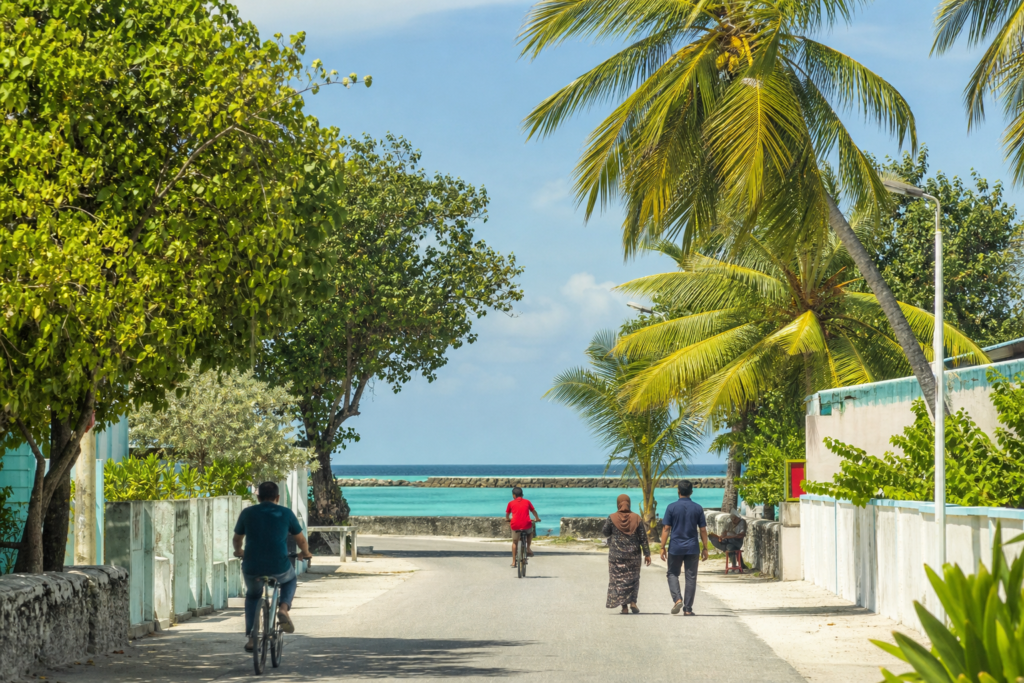
What to do if someone offers weed in Kulhudhuffushi
The safest response is not to negotiate, arrange a meeting or send payment. Do not forward the substance to another person, store it for someone else or agree to transport it between islands. Those actions can create additional legal and safety risks.
- Stop communicating about the purchase and do not share further personal information.
- Do not open, taste or test an unknown product.
- Keep screenshots or other information only if it is safe and necessary for a report.
- Report threats, coercion, suspected dealing or an immediate danger to the appropriate authorities.
- If money or account information has already been sent, contact the relevant bank or payment provider promptly and secure the account.
- Seek independent legal advice if you are worried about possession, messages, a delivery or another specific incident.
Do not attempt to destroy evidence, conceal a package or invent an explanation. If there is an immediate threat, prioritize physical safety and contact emergency services or the police.
Cannabis in Kulhudhuffushi and health considerations
Cannabis can affect attention, coordination, reaction time, memory, mood and judgment. Products with high levels of THC may cause panic, confusion, paranoia, hallucinations or severe drowsiness, particularly when the dose is unknown. Mixing cannabis with alcohol, sedatives or other drugs can increase impairment and medical risk.
Health risks are not limited to dependency. Some people experience worsening anxiety, sleep disruption or problems with motivation. Frequent use may lead to tolerance and withdrawal symptoms such as irritability, restlessness, low mood, reduced appetite or difficulty sleeping. Young people and individuals with a personal or family history of psychosis may face additional concerns.
The World Health Organization’s information on cannabis health effects provides an evidence-based overview of impairment, dependence and other potential harms.
When to seek urgent medical help
Get urgent medical assistance if someone who may have used cannabis has trouble breathing, collapses, has a seizure, cannot be woken, becomes severely confused, experiences chest pain or is at risk of harming themselves or another person. Do not leave the person alone, and tell medical professionals what may have been taken if you can do so safely. Accurate information can help clinicians respond appropriately.
Medical cannabis in Kulhudhuffushi: what patients should know
People sometimes search for medical cannabis in Kulhudhuffushi because of chronic pain, insomnia, anxiety, epilepsy or another health condition. An informal seller is not a substitute for diagnosis, monitoring or a regulated prescription. Cannabis may also interact with medicines or be unsuitable for a particular condition.
Start with a licensed doctor or an established healthcare facility. Explain the symptoms, current medicines, allergies, pregnancy status and previous treatment. Ask what legal treatments are available in the Maldives and whether a referral is needed. Do not stop prescribed medicine or replace it with an unverified cannabis product without professional advice.
A legitimate medical pathway should involve a qualified clinician, a documented diagnosis, product information, appropriate monitoring and a clear understanding of the law. Claims such as “doctor approved,” “imported legally” or “safe for everyone” should be independently verified rather than accepted at face value.
How to evaluate online claims without getting drawn in
Search results and social-media groups may present themselves as local marketplaces, but their content can be misleading, temporary or deliberately designed to collect money and personal information. Treat every commercial claim with caution, especially when it promises delivery, confidentiality or unusually low prices.
- Be cautious of sellers who refuse to identify the product contents or provide lawful documentation.
- Do not send copies of passports, identity cards or banking information to an unknown contact.
- Avoid links that require unusual payments, cryptocurrency transfers or gift cards.
- Do not rely on reviews that cannot be independently verified.
- Do not assume packaging, a logo or a laboratory-looking label proves authenticity.
- Never accept a parcel or suitcase for another person when you do not know exactly what it contains.
These precautions do not make an illegal purchase safe or lawful. They are intended to reduce exposure to fraud, coercion and avoidable harm.
Safer alternatives to buying cannabis
If the goal is pain relief, better sleep, stress management or help with another symptom, a healthcare professional can help identify options that are legal and appropriate. Depending on the problem, alternatives may include a medical assessment, physical therapy, counseling, sleep-focused treatment, approved medicines or support for alcohol and other substance use.
If the goal is relaxation or social connection, consider activities that do not involve controlled substances: exercise, time outdoors, music, community events, faith-based support, breathing exercises or talking with someone trusted. These options may sound simple, but they avoid the legal, financial and contamination risks associated with an informal drug market.
For someone already using cannabis and finding it difficult to stop, asking for help early is a practical health decision rather than a failure. A doctor or mental-health professional can discuss confidential support, withdrawal symptoms and treatment options without relying on an unverified seller.
Key points about cannabis laws in Kulhudhuffushi
- There is no dependable legal marketplace for recreational cannabis in Kulhudhuffushi.
- A low price does not indicate purity, safety or legal protection.
- Possession, purchase, supply, importation and transport may create serious legal consequences.
- “Medical,” “CBD” and “hemp” labels should not be treated as automatic permission to buy or import a product.
- Unknown cannabis products can contain unexpected substances and unpredictable amounts of THC.
- For a personal legal question, consult a qualified lawyer or the relevant Maldivian authority.
- For symptoms or possible poisoning, contact a healthcare professional or emergency service immediately.
Conclusion
There is no responsible answer to “where can I find the best deals on weed in Kulhudhuffushi?” because an informal cannabis purchase can expose you to criminal penalties, scams, dangerous products and personal safety risks. The safest course is to avoid buying, carrying or sharing cannabis, verify the law through official channels and seek professional healthcare advice for any medical concern.
If you have already been contacted by a seller, threatened, charged money or exposed to an unknown substance, focus on immediate safety and obtain appropriate legal, financial or medical support. Reliable help is a better option than trusting an unregulated deal.

The Ziklane Editorial Team is dedicated to providing accurate, well-researched, and up-to-date information on cannabis laws and regulations around the world. Our content is created through careful research of publicly available legal sources, government publications, and reputable references to help readers better understand local cannabis legislation. We are committed to delivering educational, factual, and regularly updated content while encouraging readers to comply with the laws of their respective countries and regions.