
If you are searching for weed in Shamiya, the most important recommendation is to confirm what is legal before taking any action. Shamiya is commonly understood as a district in Kuwait City, where controlled substances can create serious legal, health, and personal risks. This guide does not identify sellers or explain how to obtain illegal drugs. Instead, it outlines a safer way to assess the situation, recognize misleading offers, understand health concerns, and find lawful support.
Rules can change, and online claims about cannabis in Shamiya are often incomplete or unreliable. Treat advertisements, social-media messages, and recommendations from strangers with caution. The safest approach is to rely on current official information and qualified healthcare professionals rather than an unverified source.
Start with cannabis laws in Shamiya
Before considering any cannabis product, establish the applicable law in Kuwait and your own legal position. Do not assume that a product is permitted because it is described as “natural,” “CBD,” “medical,” or “imported.” Product names and packaging do not determine legality. The active ingredients, concentration, source, intended use, and method of import can all matter.
Check current guidance from Kuwait’s official authorities, including the Kuwait Ministry of Interior, and seek professional legal advice if your circumstances involve travel, employment screening, prescription medication, or possession of a product. Avoid relying on old forum posts or advice copied from another country. Laws that apply in North America or parts of Europe may not apply in Kuwait.
Questions to answer before making a decision
- Is possession, use, transport, import, or sharing prohibited under the current local rules?
- Are there any narrowly defined medical exceptions, and who is authorized to approve them?
- Could a product create problems at airports, border crossings, workplaces, schools, or government facilities?
- Does a prescription from another country have any legal effect locally?
- What official agency should be contacted for clarification?
If you cannot answer these questions from a current official source, do not proceed. Uncertainty is a reason to pause, not a reason to trust a seller who promises that a product is “safe” or “undetectable.”
Why informal purchasing is risky
Buying from an unlicensed person or an anonymous online account presents risks that cannot be solved by checking photographs or reading reviews. You may not know the product’s identity, strength, age, storage history, or contamination status. Edibles and oils can also be mislabeled, making it difficult to estimate how much active substance they contain.
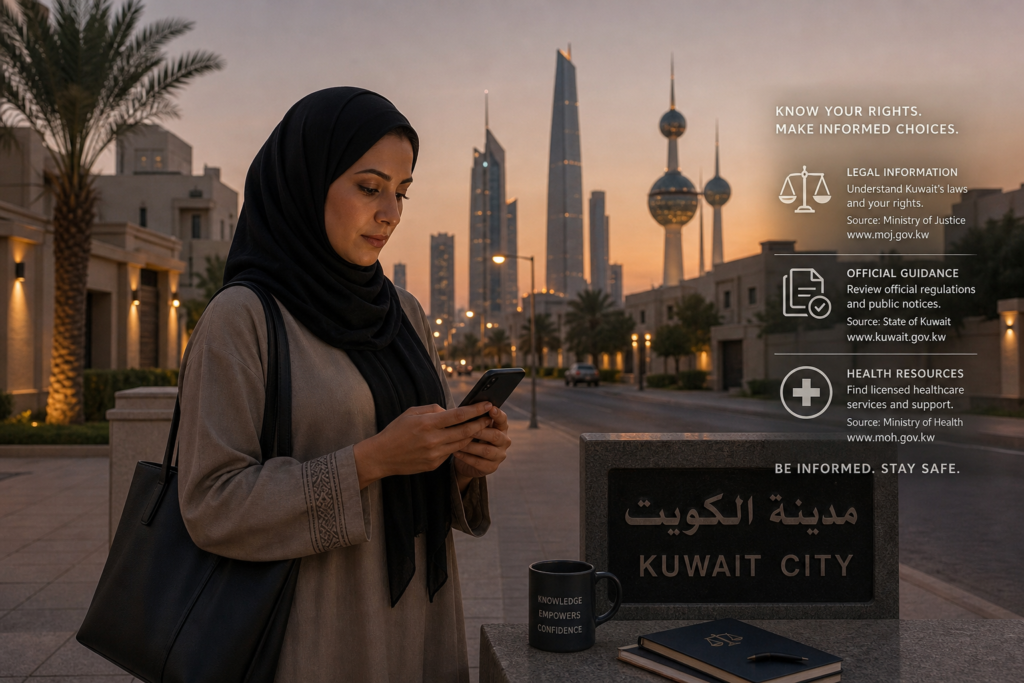
Illicit transactions create additional risks, including scams, robbery, extortion, exposure of personal information, and pressure to purchase more. A seller may ask for an advance payment, identity documents, home delivery details, or access to a private messaging account. These are warning signs, especially when combined with claims of guaranteed quality or immunity from legal consequences.
Red flags in online and in-person offers
- Promises that the product is completely legal without naming a relevant official rule or license.
- Requests for cryptocurrency, gift cards, unusual transfer methods, or payment before any verifiable transaction.
- No clear business identity, physical premises, licensing information, or accountable customer-service channel.
- Pressure to meet in an isolated location or to keep the transaction secret from everyone.
- Claims that a product cannot be detected, causes no impairment, or treats every medical condition.
- Packaging that lacks a batch number, ingredient list, expiry date, or traceable manufacturer.
If an interaction feels coercive or suspicious, end contact, preserve relevant messages, and consider reporting fraud or threats to the appropriate authorities. Do not confront a suspected seller or attempt to recover money by yourself.
Health considerations before using cannabis
Even where cannabis products are regulated, they are not risk-free. Effects can vary according to the active ingredients, dose, route of administration, previous experience, sleep, food intake, other medicines, and individual health conditions. Unregulated products add uncertainty because the label may not reflect the contents.
Potential concerns can include impaired attention and reaction time, anxiety, panic, dizziness, nausea, poor coordination, and short-term memory problems. Combining cannabis with alcohol, sedatives, opioids, or other substances can increase impairment and may create serious health risks. Do not drive, operate machinery, swim, or make safety-critical decisions after using an intoxicating product.
People who are pregnant or breastfeeding, under the legal age, managing a serious heart or psychiatric condition, or taking regular medication should speak with a qualified clinician before considering cannabis. Anyone who experiences chest pain, severe confusion, loss of consciousness, breathing difficulty, extreme agitation, or a suspected poisoning should seek emergency medical help immediately.
For balanced public-health information about effects, risks, and dependence, consult the World Health Organization’s cannabis information. A doctor or pharmacist can also review possible interactions and help distinguish a genuine medical need from a product marketed with unsupported claims.
Medical cannabis in Shamiya: use a clinical route
People sometimes search for medical cannabis in Shamiya because of chronic pain, sleep difficulties, anxiety, epilepsy, or another health concern. Purchasing from an informal source is not a substitute for diagnosis or treatment. Symptoms that lead someone to seek cannabis may have an underlying cause that requires proper evaluation.
Begin with a licensed healthcare professional who can review your symptoms, current medicines, previous treatments, and relevant medical history. Ask directly about lawful treatment options available in Kuwait. Do not import, carry, or use a cannabis-based medicine unless you have confirmed that the specific product and documentation are permitted by the relevant authorities.
How to evaluate a health claim
- Look for a clearly identified manufacturer and a complete ingredient label.
- Be cautious of claims that one product cures cancer, replaces prescribed treatment, or works for every person.
- Ask whether there is reliable clinical evidence for the stated use and formulation.
- Check whether the product has appropriate authorization in the country where it is being sold and used.
- Tell your clinician about every supplement, medicine, or recreational substance you take.
Do not stop prescribed treatment suddenly because an online seller recommends cannabis. A healthcare professional can help you discuss alternatives without judgment and can provide a safer plan for pain, sleep, anxiety, or other symptoms.
Safer alternatives to an informal purchase
If your goal is relaxation, sleep, pain relief, or help with stress, start by identifying the underlying need. A general practitioner, pharmacist, mental-health professional, physiotherapist, or sleep specialist may offer lawful options that are more predictable and easier to monitor.
- For pain: request an assessment, review non-cannabis medicines with a clinician, and ask about physiotherapy or rehabilitation where appropriate.
- For sleep: discuss sleep routines, possible sleep disorders, medication effects, and evidence-based behavioral support.
- For anxiety or stress: consider confidential counseling, structured psychological therapy, breathing exercises, and support from a qualified professional.
- For substance concerns: contact a healthcare provider or support service early, before use becomes difficult to control.
These options may not provide an immediate answer, but they offer a clearer path for assessing benefits, side effects, and follow-up. They also avoid the uncertainty associated with an unregulated product.
A practical decision checklist
- Confirm that you mean Shamiya in Kuwait and identify the current jurisdiction that applies to you.
- Read current information from an official authority rather than relying on a seller or social-media post.
- Do not buy, transport, import, or share a product if its legal status is unclear.
- Discuss any medical purpose with a licensed clinician and disclose other medicines or health conditions.
- Reject offers involving secrecy, pressure, advance payment, unverifiable labels, or promises of guaranteed safety.
- Protect your personal information and never send identity documents to an unverified contact.
- Seek urgent medical or emergency help if someone has severe or unexpected symptoms.
Final recommendation for weed in Shamiya
The safest recommendation for weed in Shamiya is not to use an informal seller as a source of legal, medical, or safety advice. Verify the current rules through official channels, avoid unlicensed products, and consult a qualified healthcare professional if the reason is medical. If an offer seems too easy, secretive, or guaranteed, treat that as a warning rather than reassurance. A careful, lawful approach protects your health, privacy, finances, and future options.

The Ziklane Editorial Team is dedicated to providing accurate, well-researched, and up-to-date information on cannabis laws and regulations around the world. Our content is created through careful research of publicly available legal sources, government publications, and reputable references to help readers better understand local cannabis legislation. We are committed to delivering educational, factual, and regularly updated content while encouraging readers to comply with the laws of their respective countries and regions.