
People searching for Popular marketplaces to buy weed in Sulaibikhat should know that this is not a normal shopping category in Kuwait. There are no verified, lawful cannabis dispensaries or regulated recreational marketplaces in Sulaibikhat. Attempting to locate sellers through social media, messaging apps, informal contacts, or websites can expose a person to serious legal, financial, privacy, and health risks.
This guide does not provide seller names, purchasing instructions, or ways to evade law enforcement. Instead, it explains how to assess online claims, why unregulated products are dangerous, and what to do if the search is connected to pain, anxiety, sleep problems, or another health concern. Rules can change, and individual circumstances matter, so readers should obtain current advice from qualified local professionals rather than relying on anonymous listings.
Are there legal weed marketplaces in Sulaibikhat?
There is no reliable basis for treating a social-media account, chat group, delivery advertisement, or private contact as a legitimate cannabis marketplace in Sulaibikhat. A polished logo, customer comments, product photographs, or claims of “imported” or “medical” cannabis do not establish that a seller is licensed or that a product is legal.
In Kuwait, controlled-substance rules are strict, and the consequences of possessing, using, importing, transporting, or supplying prohibited substances can be severe. The precise outcome depends on the facts, the substance, the amount, and the applicable law. Visitors and residents should not assume that rules from another country apply in Kuwait.
For a general, evidence-based overview of cannabis, its effects, and health concerns, consult the World Health Organization’s cannabis information. It is a more dependable starting point than promotional content from an anonymous seller.
Why searches for weed in Sulaibikhat can be risky
Legal exposure
Buying or arranging delivery through an informal channel can create legal exposure even when a listing claims that the product is harmless, medicinal, or intended for personal use. A buyer may also be unable to verify what is actually being offered. Trying to conceal a transaction, use another person’s identity, or move a package across borders can add further risk.
Anyone who has been contacted by a suspected seller or is worried about an existing situation should avoid making additional arrangements and seek confidential advice from a qualified lawyer in Kuwait. Do not rely on online comments that promise guaranteed immunity, “safe” quantities, or special access.
Scams and identity theft
Unregulated marketplaces often ask for advance payment, copies of identity documents, bank details, cryptocurrency transfers, or access to private accounts. A seller may disappear after receiving money, threaten to publish private messages, or demand additional payments. These tactics are common warning signs of fraud or extortion, regardless of whether any drug exists.
- Be cautious of urgent payment demands or claims that a deal expires within minutes.
- Do not send passport images, civil identification details, banking credentials, or intimate photographs to an unknown contact.
- Do not install unfamiliar applications or open suspicious files supplied by a supposed seller.
- Keep records of threatening messages and report suspected fraud through appropriate local channels.
Unknown contents and contamination
Products sold as cannabis may contain a different substance, an unexpectedly high concentration of active compounds, or contaminants from poor storage and manufacturing. Edibles are particularly difficult to assess because the dose may be unclear and effects can be delayed. A product’s colour, smell, packaging, or claimed laboratory result is not enough to prove its contents.
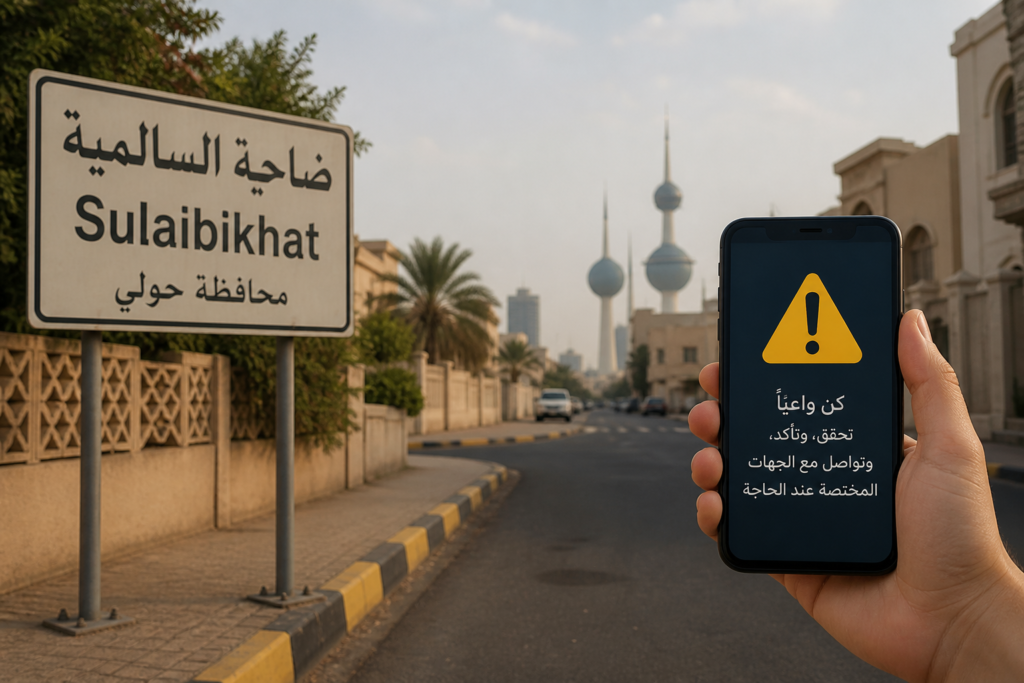
Mixing an unknown product with alcohol, sedatives, prescription medicines, or other substances can increase the danger. Driving or operating equipment after using an unknown substance also creates a serious safety risk. If someone develops severe confusion, difficulty breathing, a seizure, chest pain, extreme agitation, or becomes impossible to wake, seek emergency medical help immediately.
Cannabis in Sulaibikhat: separating medical questions from online sales
Some searches for cannabis in Sulaibikhat are motivated by a genuine medical problem. People may be looking for relief from persistent pain, nausea, insomnia, anxiety, or symptoms associated with another condition. An online seller cannot provide a proper diagnosis, review drug interactions, monitor side effects, or determine whether cannabis is appropriate.
A safer approach is to book an appointment with a licensed doctor or pharmacist and describe the symptoms honestly. Ask about approved treatments, possible causes, interactions with current medicines, and non-drug options. A clinician can also advise whether a referral, testing, or specialist assessment is needed.
Medical cannabis in Kuwait
The phrase medical cannabis in Kuwait should not be interpreted as permission to purchase cannabis from an online vendor or bring it into the country. Medical terminology in an advertisement does not create a prescription, import authorization, or legal exemption. Before travelling with any medicine, patients should check the current requirements with the relevant Kuwaiti authorities and their treating clinician.
Prescription medicines can also be subject to special documentation and quantity rules when crossing borders. A medication that is permitted in the country where it was prescribed may be controlled or restricted elsewhere. Travellers should verify requirements before departure rather than relying on a seller, forum, or social-media group.
Understanding cannabis laws in Kuwait
Cannabis laws in Kuwait should be approached with particular caution because general internet advice is often incomplete or based on another jurisdiction. Legal questions may involve possession, consumption, cultivation, supply, importation, transportation, testing, and alleged intent. These categories may be treated differently, and the relevant rules may be updated.
For broader information about international drug-control issues and prevention, the United Nations Office on Drugs and Crime resources provide useful context. They are not a substitute for advice from a Kuwait-qualified lawyer or an official local authority, but they can help readers distinguish evidence-based information from marketing claims.
Do not infer legality from the existence of a listing. An advertisement can be fraudulent, unauthorized, or designed to collect personal information. Likewise, the absence of an immediate response from authorities does not mean an activity is permitted.
How to evaluate a cannabis-related listing without engaging with it
If a person encounters a suspected listing, the safest response is not to test it with a small purchase. Instead, assess it as a potential scam or safety issue and disengage. Common red flags include anonymous accounts, disappearing messages, unusually low prices, requests for secrecy, pressure to meet in an isolated place, claims of guaranteed legal protection, and refusal to provide verifiable business or medical credentials.
- Anonymous identity: The account has no verifiable business details, responsible contact method, or transparent terms.
- Guaranteed effects: The seller promises specific medical results or says there are no side effects.
- Unclear product: The listing does not state a credible manufacturer, ingredients, batch information, or lawful regulatory status.
- Payment pressure: The seller demands an irreversible transfer before answering basic questions.
- Coercion: The contact threatens exposure, arrest, or harm if the buyer stops communicating.
Do not forward a suspicious listing to friends as a recommendation. Sharing it can spread a scam and may expose others to unsafe products. Preserve relevant evidence if fraud or threats are involved, then use an appropriate reporting route.
Safer alternatives for common reasons people search
Pain or inflammation
Persistent pain deserves assessment because it may result from an injury, nerve problem, infection, or another condition requiring treatment. A doctor or pharmacist can discuss approved pain-relief options, physical therapy, rehabilitation, and warning signs that require urgent attention.
Sleep difficulties
Sleep problems may be connected to stress, an irregular schedule, medication, breathing disorders, or mental-health concerns. Keeping a consistent sleep routine and seeking professional advice is safer than using an unknown intoxicating product. Avoid combining sleep aids with alcohol or other sedating substances unless a clinician has specifically advised it.
Anxiety or emotional distress
When anxiety is interfering with daily life, a licensed mental-health professional can help identify appropriate counselling, coping strategies, or treatment. If someone feels at immediate risk of harming themselves or cannot stay safe, they should contact local emergency services or go to the nearest emergency department.
What to do if a transaction has already happened
If money or personal information has already been sent, stop communicating with the contact and do not send additional payments. Contact the bank or payment provider promptly to ask what protective steps are available. Change reused passwords, enable two-factor authentication, and monitor accounts for unusual activity.
If a package has been received, do not open, consume, resell, or pass it to another person. Avoid handling it unnecessarily and seek advice from an appropriate local authority or qualified lawyer. If anyone has taken an unknown substance and feels unwell, tell medical staff what is known, including the approximate time and amount, and request urgent medical assistance.
Practical takeaway for Sulaibikhat residents and visitors
The key point is simple: there is no trustworthy reason to treat informal advertisements as legitimate marketplaces for weed in Sulaibikhat. The combination of strict local rules, unknown product contents, scams, privacy threats, and possible medical complications makes online purchasing an unsafe choice.
For health concerns, use a licensed healthcare provider. For legal uncertainty, consult a Kuwait-qualified lawyer or the appropriate official authority. For suspected fraud, preserve evidence and report it through a suitable channel. Avoiding anonymous sellers is not merely a purchasing preference; it is the most responsible way to protect personal safety, finances, and legal position.
Conclusion
People looking for Popular marketplaces to buy weed in Sulaibikhat are unlikely to find a verified legal retail option, and online claims should not be treated as proof of legitimacy. Do not rely on social-media sellers, private delivery contacts, or labels such as “medical” to bypass Kuwait’s rules. Instead, obtain medical guidance from licensed professionals, verify legal questions locally, and treat suspicious listings as potential scams or safety hazards. Reliable information and legitimate healthcare are safer than an unregulated marketplace.

The Ziklane Editorial Team is dedicated to providing accurate, well-researched, and up-to-date information on cannabis laws and regulations around the world. Our content is created through careful research of publicly available legal sources, government publications, and reputable references to help readers better understand local cannabis legislation. We are committed to delivering educational, factual, and regularly updated content while encouraging readers to comply with the laws of their respective countries and regions.