
If you are searching for where to find weed sellers in Bnei Brak, it is important to separate informal street sales from Israel’s regulated medical-cannabis system. I cannot provide names, locations, contact details, or directions to illegal sellers. Unlicensed cannabis may be contaminated, incorrectly labeled, unusually potent, or connected to fraud and criminal activity. Purchasing it can also expose you to legal and personal safety risks.
This guide explains what residents should know about weed in Bnei Brak, how to approach legal medical cannabis, how to check information safely, and what to do if you need health support. The goal is not to help anyone find an unlicensed dealer, but to provide practical next steps that are lawful, cautious, and appropriate to Israel.
Why searching for informal cannabis sellers is risky
Online advertisements, private messaging groups, and word-of-mouth contacts do not prove that a seller is legitimate. A person offering cannabis may misrepresent the product, take payment without delivering anything, or use a fake identity. There is usually no reliable way for a buyer to confirm the product’s origin, laboratory testing, storage conditions, or contents.
Unregulated cannabis can also create health risks. Products sold as cannabis may contain unexpected substances, mold, pesticides, or synthetic cannabinoids. Edibles are especially difficult to judge because their effects can be delayed and their strength may be unclear. Combining cannabis with alcohol, sedatives, or other drugs can further increase impairment and risk.
There are additional concerns in a densely populated city such as Bnei Brak. Meeting an unknown person at a private address, parking area, or public location can create avoidable risks involving theft, coercion, surveillance, or conflict. Do not share identity documents, bank details, intimate images, or access codes with an unverified contact.
Cannabis laws in Bnei Brak and Israel
Bnei Brak follows Israeli national law; there is no separate local market where private cannabis sales become legal. The legal position can depend on the product, the person’s authorization, the circumstances, and current legislation. Rules may also change, so social-media claims and old forum posts are not dependable legal guidance.
For current public information, consult the Israeli Ministry of Health and review official instructions rather than relying on a seller’s explanation. The Ministry is the appropriate starting point for information about medical-cannabis procedures, patient eligibility, authorized channels, and regulatory updates.
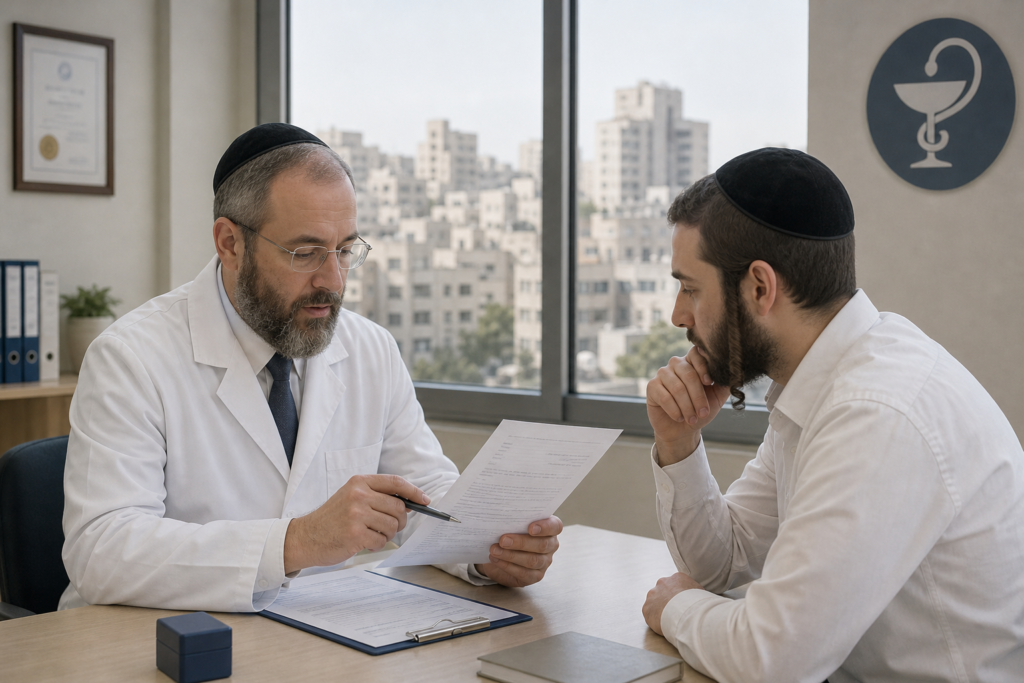
Do not assume that a medical need automatically permits buying cannabis from any source. A recommendation, authorization, or prescription does not make an unlicensed seller legitimate. If you are unsure about your status, ask a physician, pharmacist, or the relevant government office before obtaining or using a cannabis product.
Legal routes for medical cannabis in Bnei Brak
People looking for medical cannabis in Bnei Brak should begin with a licensed healthcare professional. Explain your symptoms, diagnosis, previous treatments, medications, and any history of anxiety, psychosis, substance-use problems, pregnancy, or other relevant conditions. A clinician can assess whether cannabis is medically appropriate and explain alternatives.
Start with a doctor, not a seller
A medical assessment helps distinguish between a condition that may require urgent care and one that might be managed through planned treatment. It also creates an opportunity to discuss possible side effects, interactions, driving restrictions, and safe storage. Be honest about any cannabis use; accurate information allows the clinician to make a safer assessment.
If a clinician advises pursuing medical cannabis, follow the official application or authorization process that applies to your circumstances. Requirements can include medical documentation and evidence about previous treatment, depending on the condition and current rules. Because procedures change, confirm the latest requirements through official channels.
Use authorized dispensing channels
Where medical cannabis is legally available, obtain it only through a pharmacy or other dispensing channel authorized under the applicable Israeli system. Ask the pharmacist how to verify the product, read the label, follow the prescribed amount, and store it securely. Do not substitute a product offered by an informal contact, even if the packaging looks professional.
Availability can vary by product, authorization, and pharmacy stock. A pharmacist or healthcare provider can explain how to locate an appropriate authorized service without directing you to illegal sellers. Avoid publishing or sharing personal medical information in local messaging groups while looking for recommendations.
How to evaluate online cannabis information
Search results for cannabis in Bnei Brak may include outdated business pages, anonymous advertisements, affiliate content, or illegal offers presented as medical services. Treat any claim of guaranteed quality, instant approval, anonymous delivery, or unusually low pricing as a warning sign.
- Check whether the information comes from a government body, licensed healthcare professional, or established medical institution.
- Be cautious when a contact refuses to provide a lawful business identity or insists on payment through unusual methods.
- Do not send a copy of your identity card or medical records to an unverified person.
- Do not trust claims that a product is safe merely because it has a branded label or a photograph of a package.
- Verify current rules directly with official authorities because laws, procedures, and approved products may change.
Health claims also deserve scrutiny. Cannabis is not a universal treatment, and testimonials are not a substitute for diagnosis or clinical advice. Be particularly skeptical of promises to cure serious illness, replace prescribed medication, or produce immediate results without risks.
What to do if you have already bought or used an unknown product
Do not take more simply because the first effects are delayed. Avoid driving, cycling in traffic, operating machinery, swimming alone, or making important decisions while impaired. Keep the product away from children, pets, and anyone who could mistake it for food or medicine.
Seek urgent medical help if someone has trouble breathing, collapses, has a seizure, experiences severe confusion, becomes dangerously agitated, or cannot be awakened. Tell medical staff what was taken, approximately how much, and when, if you know. Accurate information can help them respond more effectively.
If you suspect fraud, threats, extortion, or a dangerous product, preserve relevant messages and payment records. Do not confront the seller or arrange another meeting. For emergencies, contact local emergency services. For non-urgent concerns, use the Israel Police official website to identify appropriate reporting channels.
Finding support without relying on an illegal seller
If you are using cannabis to manage pain, sleep problems, anxiety, appetite, or another concern, the underlying issue deserves proper attention. A family doctor can review your symptoms and medications, while a specialist may be appropriate for a diagnosed condition. Mental-health support is particularly important if cannabis use is connected to panic, low mood, paranoia, insomnia, or difficulty controlling use.
People who are worried about dependence should seek help early rather than attempting to manage withdrawal or escalating use alone. A healthcare professional can discuss gradual changes, alternative treatments, and confidential support. If you feel at immediate risk of harming yourself or someone else, seek emergency assistance now.
A practical checklist for residents
- Decide whether your need is medical, recreational, or related to a health concern that has not yet been assessed.
- Do not use anonymous seller listings as a source of medical or legal advice.
- Book an appointment with a qualified healthcare professional if you have symptoms or a diagnosed condition.
- Confirm the current Israeli rules through an official government source.
- If medical cannabis is authorized, use only an approved dispensing channel and follow the label and clinician’s instructions.
- Store products securely and avoid driving or mixing cannabis with alcohol or sedating medicines.
- Get urgent help for severe or unusual symptoms, and report threats or suspected fraud through appropriate official channels.
Conclusion
There is no safe or lawful shortcut to finding an informal cannabis seller in Bnei Brak. Anonymous dealers cannot reliably verify product quality, legal status, or personal safety, and a purchase may create serious health, financial, and legal problems. If you need weed in Bnei Brak because of a medical concern, start with a qualified clinician and use only the regulated process that applies to you. Official information, professional advice, and authorized pharmacies are safer sources than private sellers or unverified online groups.

The Ziklane Editorial Team is dedicated to providing accurate, well-researched, and up-to-date information on cannabis laws and regulations around the world. Our content is created through careful research of publicly available legal sources, government publications, and reputable references to help readers better understand local cannabis legislation. We are committed to delivering educational, factual, and regularly updated content while encouraging readers to comply with the laws of their respective countries and regions.