
Discovering Weeds in Bromma: Nature’s Resilience in Stockholm’s Green Suburb
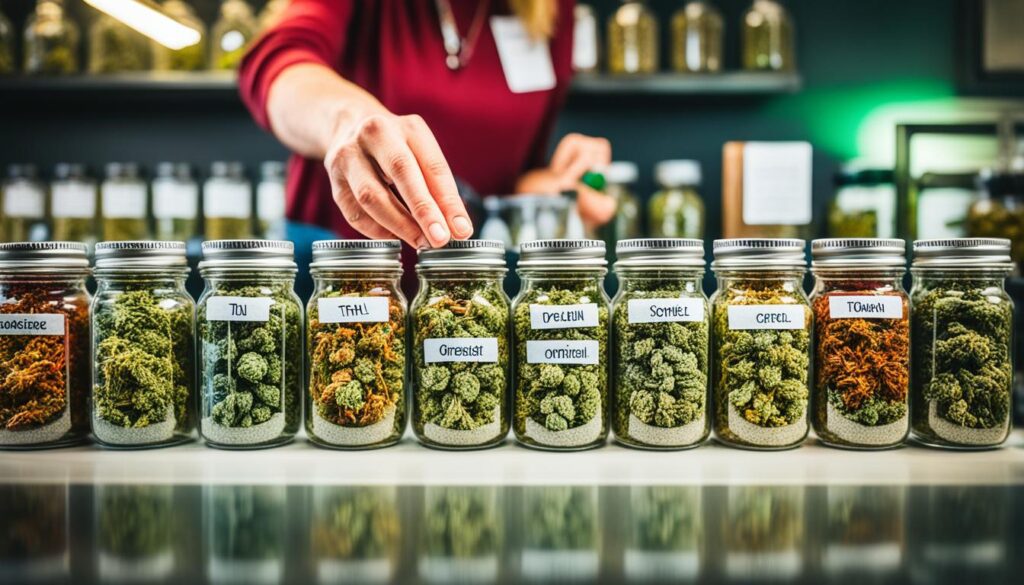
With its quiet streets, scenic lakes, and green spaces, Bromma is an ideal place to experience the balance between urban living and the natural world. These resilient plants, which grow in unexpected places, contribute to the local ecosystem in ways that go beyond their mere appearance in gardens, parks, and alongside roads on discover weed in Bromma.
Weeds in Bromma’s Urban and Suburban Landscape
Bromma is home to various green spaces, parks, and areas near water, making it a perfect habitat for weeds to thrive. From residential gardens and playgrounds to the more wild, overgrown areas by the side of roads and in vacant lots, weeds are common in Bromma’s urban landscape. The city’s proximity to water sources, including the nearby Alvik and Lake Mälaren, creates an environment where weeds can grow quickly and abundantly on discover weed in Bromma.
Among the most commonly found weeds in Bromma are dandelions, clover, plantain, nettles, and thistles. Dandelions, with their bright yellow flowers in the spring and characteristic fluffy seed heads in summer, are particularly prevalent in grassy areas like parks and lawns. Plantains often appear in disturbed soil, such as along pathways or in cracks in the pavement. Nettles, known for their stinging leaves, grow in damp, shaded spots, while thistles, with their prickly appearance and purple flowers, are more likely to be found in fields or uncultivated land on discover weed in Bromma.
Ecological Benefits of Weeds in Bromma
Though often viewed as unwelcome intruders in the garden, weeds have a vital role in maintaining ecological balance in Bromma. Their resilience and adaptability allow them to thrive in areas where other plants struggle. One of the primary benefits of weeds is their ability to stabilize soil. Many weeds have deep root systems that anchor the soil in place, preventing erosion on discover weed in Bromma.
Weeds also contribute to local biodiversity. They provide essential food sources for pollinators, such as bees, butterflies, and other insects. Flowers like dandelions, clover, and plantains are rich in nectar and pollen, making them attractive to these crucial pollinators. Pollinators are key players in plant reproduction, and their presence supports not just the growth of wild plants but also local agricultural crops. By offering these resources, weeds play a part in sustaining the overall health of the environment in Bromma.
Additionally, weeds help to improve air quality. Through the process of photosynthesis, all plants absorb carbon dioxide and release oxygen into the atmosphere. While they may not be as large as the trees found in Bromma’s parks, the presence of weeds in the urban landscape contributes to the reduction of carbon dioxide levels and helps to keep the air fresh and breathable on discover weed in Bromma.
Sustainable Weed Management in Bromma
Though weeds provide valuable ecological benefits, they can pose challenges for gardeners and property owners in Bromma, particularly when they invade well-maintained gardens or public spaces. In response, many local authorities and residents of Bromma have adopted sustainable, eco-friendly approaches to managing weeds.
Instead of relying on chemical herbicides, the community often employs manual weeding, mulching, and natural deterrents to control the growth of weeds. Mulching, for instance, helps to suppress weed growth by blocking sunlight and preventing weed seeds from germinating. Organic mulch, such as wood chips or straw, can also enhance soil fertility as it decomposes. Encouraging the growth of native plants is another effective way to manage weeds in Bromma.
Bromma also embraces the idea of creating natural, wild spaces in urban areas. These spaces allow plants—both weeds and native species—to grow freely, offering habitats for wildlife and promoting biodiversity. Creating wild spaces in parks and gardens not only supports pollinators but also fosters a connection between residents and nature, encouraging sustainable practices.
Weeds as a Symbol of Nature’s Resilience
Discovering weeds in Bromma highlights the resilience of nature and the ability of plants to adapt to a variety of environments. Weeds are often the first plants to take root in disturbed or neglected spaces, signaling the start of nature’s healing process. Whether growing in the cracks of sidewalks, along busy roads, or in the more wild areas near water, weeds are a testament to nature’s power to reclaim and restore land.
Rather than seeing weeds solely as unwelcome intruders, Bromma can embrace them as a symbol of nature’s resilience. These plants not only provide essential ecological services but also offer beauty and diversity to the landscape. Their ability to thrive in urban and suburban environments, often under challenging conditions, makes them an important part of the city’s natural heritage.
Conclusion
In conclusion, the discovery of weeds in Bromma offers an opportunity to reflect on the interconnectedness of nature and urban living. Weeds are not just invaders but resilient plants that contribute to the local environment by stabilizing soil, supporting pollinators, and improving air quality. By adopting sustainable practices for weed management and embracing the beauty and ecological benefits of weeds, Bromma can continue to thrive as a green, eco-friendly suburb of Stockholm. Rather than seeing weeds as a problem, the city can celebrate them as a natural part of its vibrant and resilient ecosystem.
✅ Recommended Authoritative Links (Sweden / Bromma Context)
| Source / Website | What It Covers / Why It’s Useful / How You Could Use It |
|---|---|
| GVB Biopharma – “Cannabinoid Laws in Sweden” | Legal breakdown of Swedish law: explains that THC / recreational cannabis is illegal; only certain medical-cannabis products (if prescribed) are permitted; CBD/hemp products are legal only if they contain no THC. |
| Leafwell – “Is Marijuana Legal in Sweden?” | Overview of Sweden’s narcotics laws as they apply to cannabis: criminalization of recreational use/possession; limited legal medical-cannabis; penalties. |
| Folkhälsomyndigheten (Public Health Agency of Sweden) – Cannabis & Narcotics Use Statistics (2024) | Official data on how many people in Sweden report cannabis use (by age, gender) — useful for prevalence, social context, youth vs adult breakdown. |
| Nordic Welfare Centre – “Cannabis policy and legislation in the Nordic countries” (2019 report) | Comparative study of Nordic countries’ cannabis laws including Sweden — shows how Sweden’s approach compares regionally. |
| HempKing – “CBD and THC in Sweden” (Regulatory Analysis) | Explains Swedish distinction between hemp/CBD products vs THC-containing cannabis; clarifies that even trace THC makes products illegal. |
| Prohibition Partners – “Sweden Medical Cannabis Market Overview 2025” | Latest (2025) overview of medical-cannabis regulation in Sweden: what is permitted under prescription/licence, how restricted access is, regulatory environment. |
Suggested list for embedding (Markdown-style):
❓ Suggested FAQ — Cannabis / Weed in Bromma & Sweden
Use this FAQ block in your article to clarify legal status, medical-cannabis policy, prevalence, risks, and reality for readers.
### Is cannabis (weed) legal in Bromma / Sweden for recreational use?
No. Recreational cannabis — including possession, use, sale, cultivation or distribution — is strictly illegal under Swedish narcotics law. Even small amounts of THC-containing cannabis are criminal offences.
### Are there legal medical-cannabis options available in Sweden?
Yes — but access is extremely limited and strictly regulated. Only certain cannabis-derived or cannabinoid-based medicines may be prescribed under licence by authorised medical professionals. General “street-style” cannabis remains prohibited.
### What about hemp / CBD products — are they legal?
CBD or hemp-derived products are subject to strict regulation. For a CBD/hemp product to be legal in Sweden, it must contain absolutely zero THC. Any detectable THC — even in trace amounts — makes the product fall under narcotics law.
### What are the legal penalties if someone is caught with cannabis or THC products?
Possession, use, sale, distribution, or cultivation of cannabis / THC products is a criminal offence. Penalties vary by severity — from fines or short sentences for minor offences to more serious sentencing for larger quantities or supply/trafficking.
### Is home-growing cannabis plants at home legal?
No. Cultivation, processing, or manufacturing of cannabis is prohibited under Swedish law, even for personal use.
### How common is cannabis use in Sweden (or among Stockholm / Bromma residents)?
According to 2024 data: among adults aged 16–84 years, a notable share report past-year cannabis use. Even under strict laws, cannabis remains among the most commonly used illicit drugs in Sweden. Use tends to be more prevalent among younger adults than older demographics.
### Is there a “weed culture,” legal dispensary, or public cannabis market in Bromma / Sweden?
No. Because recreational cannabis is illegal and supply is criminalized, there is no legal dispensary network or publicly tolerated “cannabis scene.” Any cannabis-related activity outside the limited medical-cannabis framework remains illicit.

The Ziklane Editorial Team is dedicated to providing accurate, well-researched, and up-to-date information on cannabis laws and regulations around the world. Our content is created through careful research of publicly available legal sources, government publications, and reputable references to help readers better understand local cannabis legislation. We are committed to delivering educational, factual, and regularly updated content while encouraging readers to comply with the laws of their respective countries and regions.
“Best place to buy when you want a reliable, potent product, contact them on telegram Greenleafemporium1 and also through there email : greenleafemporium1@gmail.com
“I noticed a huge reduction in my anxiety after using their products highly recommended .”
Clean, smooth smoke — no harshness at all thank you.
Älskar deras indica; det lindrar verkligen min stress efter en hektisk dag.
I appreciate the discretion in packaging and delivery.
Some of the strongest concentrates I’ve tried in years.