
Discovering Weed in Naha: A Changing Landscape for Cannabis in Okinawa
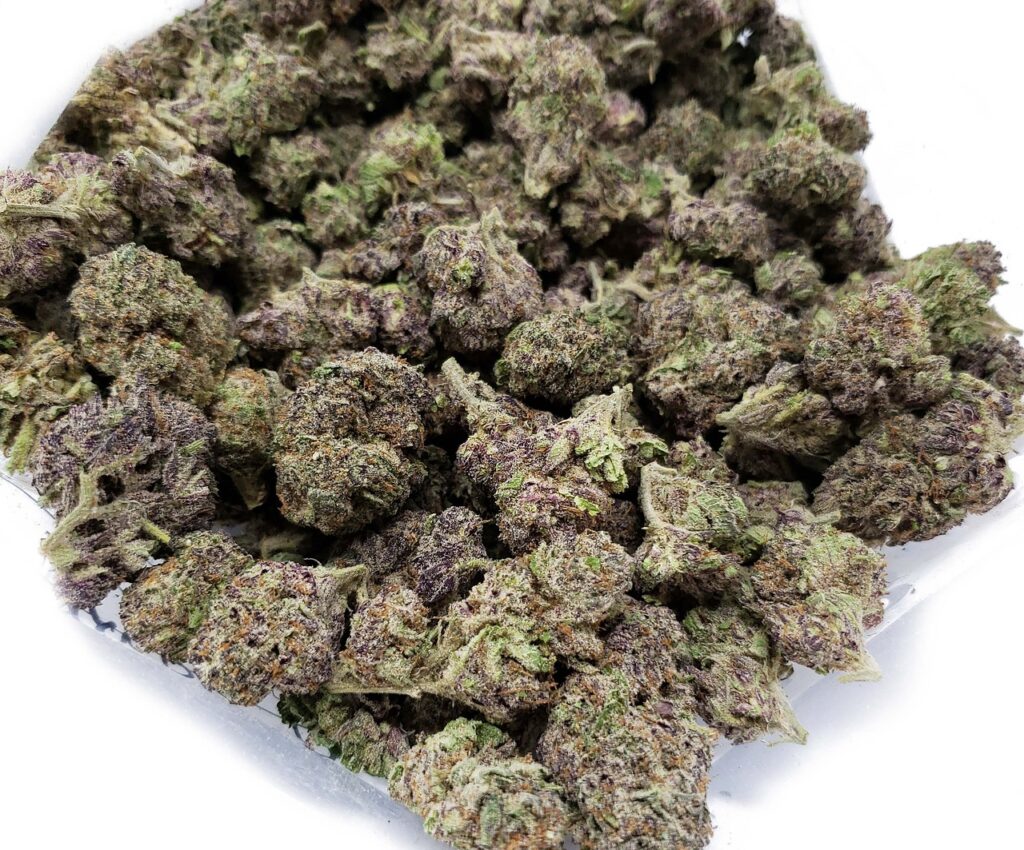
The city offers visitors a rich history, from the iconic Shurijo Castle to the bustling Kokusai Street. As the main urban center in Okinawa, Naha is a key hub for tourism, business, and culture in the region. However, beyond its well-known attractions, Naha is quietly beginning to be part of a global conversation surrounding cannabis, or “weed,” in Japan on discover weed in Naha.
Cannabis remains illegal in Japan, and the country’s strict laws make it one of the most conservative places when it comes to marijuana use. Despite this, there is a growing international conversation about cannabis legalization, with more countries embracing its medicinal, industrial, and recreational benefits. As this global dialogue continues, Japan’s cannabis landscape may evolve, and cities like Naha may find themselves at the crossroads of changing perceptions on discover weed in Naha.
Cannabis in Japan: Legal and Cultural Context
However, following World War II and the U.S. influence, Japan enacted the Cannabis Control Law in 1948, effectively criminalizing all forms of cannabis cultivation, possession, and use. Under this law, violations come with severe penalties, including long prison sentences on discover weed in Naha.
This stigma continues to hinder discussions on cannabis, despite growing recognition worldwide of its medicinal uses and environmental benefits. Hemp, which contains little to no THC (the psychoactive compound in cannabis), has potential for a variety of industrial uses, but it too remains underutilized in Japan.
Global Trends Towards Cannabis Legalization
Across the world, attitudes toward cannabis are changing. Additionally, the industrial uses of hemp have gained recognition for their sustainability and eco-friendliness, including in the production of biodegradable plastics, textiles, and construction materials.
This global movement toward cannabis acceptance is starting to influence countries with traditionally conservative stances, including Japan. As global cannabis markets continue to expand, there may eventually be a shift in public opinion in Japan as well, even in cities like Naha.
Naha’s Potential Role in the Cannabis Industry
While Naha is not currently a center for cannabis-related activities, its unique location and agricultural potential could make it an interesting part of Japan’s evolving cannabis landscape. Okinawa’s subtropical climate is conducive to the cultivation of a wide variety of crops, including hemp, which requires minimal water and pesticide use compared to other crops.
Additionally, the wellness industry in Japan is expanding, with growing demand for natural and plant-based products. This presents an opportunity for Naha to explore the development of CBD-based products. CBD, a non-psychoactive compound found in cannabis, has gained popularity worldwide for its health benefits, including its ability to relieve anxiety, improve sleep, and reduce inflammation. As demand for CBD products grows, Naha could become a hub for the production and distribution of these wellness products, capitalizing on the city’s reputation for tranquility and natural beauty.
The Future of Cannabis in Naha and Japan
Although cannabis remains illegal in Japan, the global trends toward legalization and the increasing acceptance of cannabis’s medicinal and industrial uses may eventually influence Japan’s policy. If Japan were to relax its cannabis laws, Naha could play a significant role in the future cannabis industry, particularly in hemp farming and CBD production. The city’s agricultural expertise and focus on sustainability could help it establish itself as a leader in the eco-friendly hemp market.
Furthermore, the potential for cannabis-related tourism could make Naha an attractive destination for travelers interested in exploring the wellness aspects of cannabis. With its natural beauty, cultural heritage, and growing focus on health and wellness, Naha could become a key player in cannabis tourism, particularly in a future where CBD products and wellness retreats become more widely available.
Conclusion
While cannabis remains illegal in Japan, the global shift toward legalization and the recognition of its potential benefits for health, industry, and the environment may eventually influence Japan’s stance. Naha, with its agricultural base, wellness culture, and commitment to sustainability, could become an important part of Japan’s evolving cannabis landscape. From hemp farming to the development of CBD-based wellness products, Naha has the potential to contribute to the future of cannabis in Japan. As the global conversation about cannabis continues to change, cities like Naha may be positioned to play a significant role in Japan’s cannabis future.
Here are clean, direct, SEO-optimized FAQs for Discover Weed in Naha, Okinawa — only FAQs, no extra sections.
FAQs – Discover Weed in Naha, Okinawa
1. Is weed legal in Naha?
No. Cannabis is strictly illegal in Naha and across Japan. Possession, use, or distribution can result in arrest, prison time, fines, and deportation for foreigners.
2. Can tourists find weed in Naha?
Very unlikely. Japan enforces some of the strictest drug laws in the world, and Naha is closely monitored. Weed is not openly available, and attempts to find it are extremely risky.
3. What happens if someone is caught with cannabis in Japan?
Penalties include:
- Immediate arrest and interrogation
- 2–10 years imprisonment depending on the case
- Heavy fines
- Deportation for non-Japanese citizens
Japan’s legal system has no tolerance for cannabis use.
4. Do people sell weed around nightlife areas like Kokusai Street?
Almost never. Naha’s nightlife areas are safe and family-friendly, and drug dealing is rare. Anyone offering weed is extremely unsafe and may be connected to scams or police stings.
5. Is CBD legal in Naha?
Only THC-free CBD made from mature hemp stalks is legal.
CBD containing:
- THC
- Extracts from hemp flowers or leaves
is illegal and can lead to arrest at customs.
6. Are there cannabis cafés or lounges in Naha?
No. Japan does not allow any cannabis-friendly venues, dispensaries, or smoking lounges.
7. Can tourists smoke weed in hotels or Airbnbs in Naha?
Absolutely not. Hotels and rentals have strict smoking policies, and illegal drug use is promptly reported to the police. Violating this can lead to arrest.
8. Is it safe to ask locals about weed?
No. Most locals do not use cannabis, and asking about it may raise suspicion or lead to misunderstandings. Japanese society views cannabis very negatively.
9. Are foreigners frequently arrested for weed in Japan?
Yes. Japan has arrested many foreign tourists for small quantities, edibles, or even THC vape carts. Enforcement is extremely strict.
10. What should tourists enjoy instead of seeking weed in Naha?
Visitors can explore:
- Okinawa beaches
- Kokusai Street shopping
- Shuri Castle
- Local Okinawan cuisine
- Nature tours and cultural museums
These safe, legal activities are far more enjoyable than risking trouble.

The Ziklane Editorial Team is dedicated to providing accurate, well-researched, and up-to-date information on cannabis laws and regulations around the world. Our content is created through careful research of publicly available legal sources, government publications, and reputable references to help readers better understand local cannabis legislation. We are committed to delivering educational, factual, and regularly updated content while encouraging readers to comply with the laws of their respective countries and regions.
“Best place to buy when you want a reliable, potent product, contact them on telegram Greenleafemporium1 and also through there email : greenleafemporium1@gmail.com
“I noticed a huge reduction in my anxiety after using their products highly recommended .”
Clean, smooth smoke — no harshness at all thank you.
I appreciate the discretion in packaging and delivery.
Some of the strongest concentrates I’ve tried in years.