
Discovering Weed in Kurume: The Changing Conversation About Cannabis in Japan
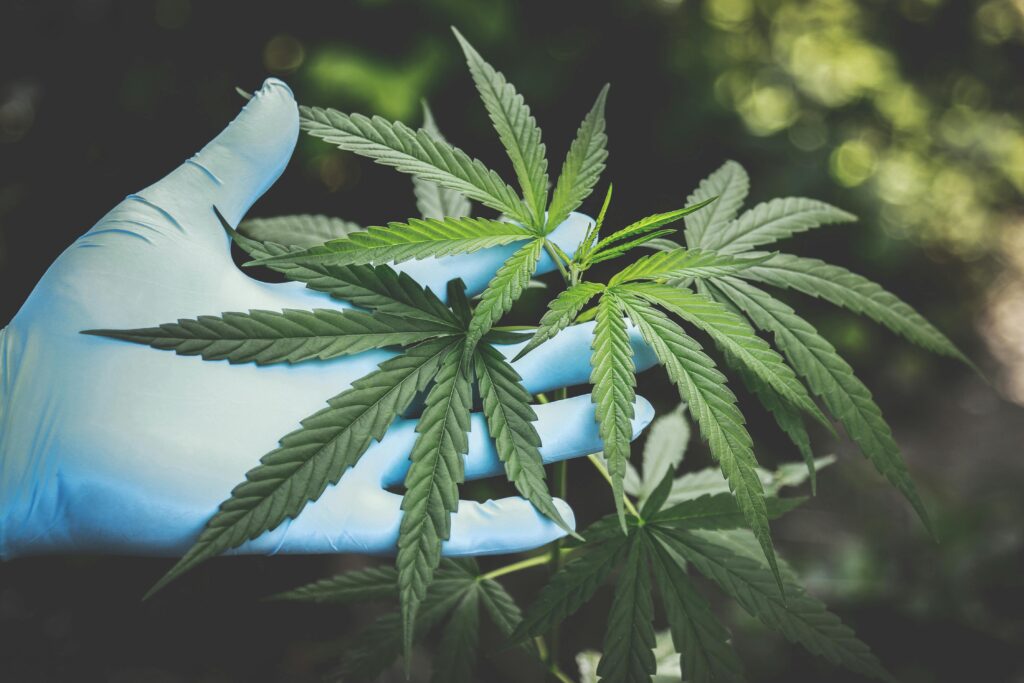
Known for its delicious ramen, Kurume also boasts a thriving agricultural community, particularly in the cultivation of crops like rice, vegetables, and flowers. However, as Japan’s relationship with cannabis evolves globally, Kurume may eventually find itself on the periphery of a larger conversation about cannabis and its future role in the country on discover weed in Kurume.
While Japan’s Cannabis Control Law has strictly prohibited the cultivation, sale, and use of cannabis since 1948, the global conversation surrounding cannabis—especially its medicinal, environmental, and industrial benefits—continues to grow. As more countries embrace cannabis for its potential to treat various medical conditions and its sustainable industrial applications, Japan’s approach to cannabis may begin to shift. In this context, Kurume could play a unique role in the changing landscape of cannabis in Japan, especially given its agricultural expertise on discover weed in Kurume.
The Legal and Cultural Context of Cannabis in Japan
However, following World War II, the United States imposed policies that led to the enactment of Japan’s Cannabis Control Law in 1948. This law banned the cultivation and use of cannabis, severely restricting its role in Japanese society. Despite the plant’s long history, it is now considered illegal to possess or use cannabis in any form in Japan, and violations can result in severe criminal penalties on discover weed in Kurume.
Despite this, there is a slowly growing awareness in Japan about the potential benefits of cannabis, particularly in the areas of medical treatment and eco-friendly industrial products.
Global Shifts in Cannabis Perception
Around the world, attitudes toward cannabis are shifting. In recent years, countries like Canada, Uruguay, and several U.S. states have legalized cannabis for medical and recreational use. Research has shown that cannabis, particularly cannabinoids like CBD (cannabidiol), may have therapeutic effects, including reducing anxiety, treating chronic pain, and improving sleep. Additionally, cannabis and its industrial cousin, hemp, have become popular for their sustainability.
This growing global trend towards cannabis acceptance has had a significant impact on public perceptions. The once-prevalent idea that cannabis is harmful is giving way to the understanding that the plant can offer multiple benefits, both for health and the environment. While Japan has been slow to embrace these changes, the growing interest in cannabis worldwide may eventually influence Japan’s stance on the issue.
Kurume’s Agricultural Potential for Cannabis
Kurume, known for its fertile soil and agricultural prowess, could play a key role in Japan’s potential cannabis industry. Given its success in farming, Kurume could potentially transition to cultivating hemp, which thrives in a variety of climates and requires fewer pesticides and less water compared to other crops.
Hemp, a variety of cannabis with minimal THC (the psychoactive compound), has a broad range of industrial applications.
The Future of Cannabis in Kurume and Japan
While cannabis remains illegal in Japan, the global trend toward legalization, along with the increasing recognition of cannabis’s potential benefits, may influence Japanese policy in the future. Should Japan choose to relax its cannabis laws, Kurume’s agricultural sector could play a significant role in the cultivation of hemp and other cannabis-related industries. By leveraging its expertise in agriculture, Kurume could become a key player in the sustainable cannabis industry.
Additionally, as wellness products like CBD (cannabidiol) continue to grow in popularity worldwide, Kurume could develop a market for these products, particularly if Japan begins to embrace the potential health benefits of cannabis. With its strong agricultural base and commitment to quality, Kurume could emerge as a center for producing and distributing CBD-based wellness products, such as oils, lotions, and edibles.
Conclusion
Cannabis remains illegal in Japan, but the global conversation around its medicinal and industrial uses is beginning to shift perspectives. Kurume, with its strong agricultural tradition and commitment to sustainability, could play a vital role in Japan’s future cannabis industry if the country eventually decides to relax its cannabis laws. From hemp farming to CBD wellness products, Kurume’s agricultural community could benefit from the growing demand for eco-friendly and health-focused cannabis products. As the global perception of cannabis continues to evolve, Kurume may find itself contributing to Japan’s changing cannabis landscape in the years to come.
FAQs – Discover Weed in Kurume, Japan
1. Is weed legal in Kurume?
No. Cannabis is strictly illegal everywhere in Japan, including Kurume. Possession, use, cultivation, sale, or distribution of cannabis is prohibited under national law. (JapanTimes )
2. Can tourists or residents easily find weed in Kurume?
Very unlikely. Japan has one of the strictest drug enforcement regimes worldwide. There is no legal market, dispensary, or “weed culture.” Attempting to source cannabis is dangerous and strongly discouraged.
3. What are the penalties for possessing or using cannabis in Japan?
Penalties can include:
- Immediate arrest and detention
- Up to several years’ imprisonment (depending on amount and circumstance)
- Heavy fines
- For foreigners: potential deportation and long-term bans from returning to Japan
4. Is CBD legal or available in Kurume?
Only select forms of CBD are legally tolerated: CBD must be derived from mature hemp stalks or seeds and contain zero THC. Any product containing THC or derived from hemp flowers/leaves is illegal.
5. Are there cannabis cafés, dispensaries, or “weed-friendly” venues in Kurume?
No. Japan does not permit such businesses anywhere in the country; any venue claiming to be “weed-friendly” is operating illegally and likely unsafe.
6. Can you smoke or use cannabis in private accommodations (hotel, Airbnb, etc.) in Kurume without risk?
No. Private possession or use remains illegal regardless of location. Hotels and rentals often have policies against illegal drugs and may notify authorities if cannabis is found.
7. Do laws differentiate between “small amounts” for personal use and trafficking?
Not reliably. Even small amounts can lead to serious penalties. Japanese law treats possession and use harshly; personal use is not effectively distinguished from more serious offenses.
8. If I’m a foreigner, are cannabis laws enforced differently?
No. Japanese laws apply equally to citizens and foreigners. Foreigners caught with cannabis risk arrest, imprisonment, deportation, and bans on re-entry.
9. Is it safe to ask locals or bartenders about weed in Kurume?
No. Discussing or seeking cannabis is socially taboo and risky. Locals are unlikely to engage — and law enforcement may monitor suspicious behaviour.
10. What legal and safe alternatives are there for visitors to Kurume instead of seeking cannabis?
Visitors can enjoy:
- Local food culture (ramen, regional dishes)
- Historic shrines, temples, and parks
- Nature trips and hiking in nearby countryside
- Traditional festivals and cultural events
These offer safe, lawful ways to explore Kurume — without breaking the law.
Recommended Outbound Resources (Cannabis Law Info in Japan)
- “Japan changes its Cannabis Laws — what has changed and what remains illegal” — coverage of 2024 reforms and enforcement background. [JapanTimes – Japan cannabis laws 2024]
- “Is CBD Legal in Japan?” — summary of CBD legality and restrictions for hemp-derived products in Japan. [PubMed / government regulatory overview]

The Ziklane Editorial Team is dedicated to providing accurate, well-researched, and up-to-date information on cannabis laws and regulations around the world. Our content is created through careful research of publicly available legal sources, government publications, and reputable references to help readers better understand local cannabis legislation. We are committed to delivering educational, factual, and regularly updated content while encouraging readers to comply with the laws of their respective countries and regions.
“Best place to buy when you want a reliable, potent product, contact them on telegram Greenleafemporium1 and also through there email : greenleafemporium1@gmail.com
“I noticed a huge reduction in my anxiety after using their products highly recommended .”
Clean, smooth smoke — no harshness at all thank you.
I appreciate the discretion in packaging and delivery.
Some of the strongest concentrates I’ve tried in years.